
Planting
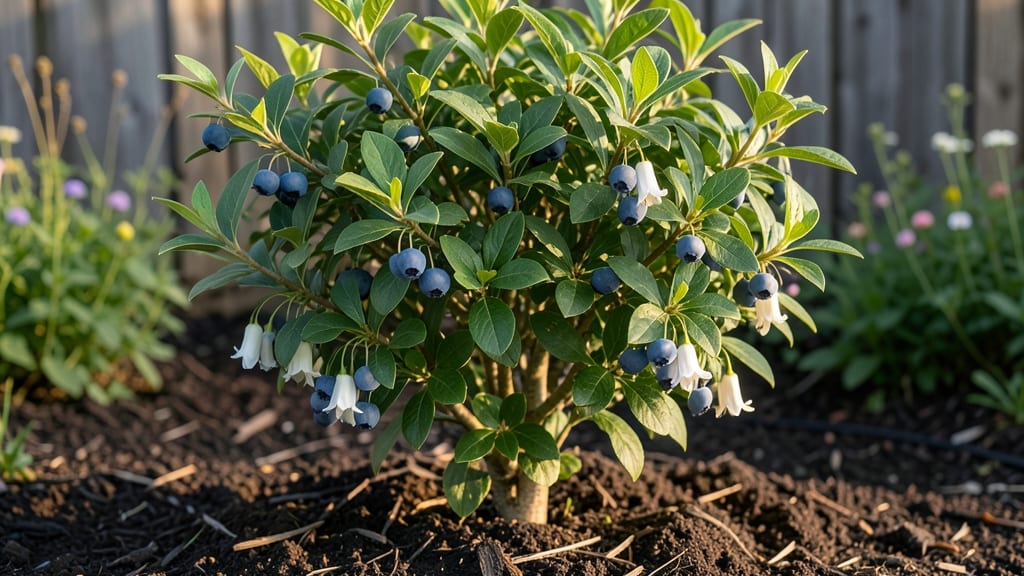
Growing a Polaris blueberry plant in your yard means sweet, juicy berries with minimal fuss—even if you've never grown blueberries before. 🌿 This cold-hardy variety thrives in zones 3-8, making it perfect for gardeners in northern climates who've always wanted blueberries but feared the work.
The secret to its success? Polaris handles acidic soil better than most varieties and produces reliably every year once established. You'll need well-draining soil, full sun, and consistent moisture—but no fussing over pollinators or complicated pruning.
Just plant, water, and wait for those first blueberries in late June or July. What sets Polaris apart is its disease resistance and ability to fruit on new wood, so you don’t need to prune like a pro.
Even my black thumb can grow these—just avoid overwatering and keep the soil slightly acidic. The bushes stay compact, making them ideal for small gardens or containers. Once you get the hang of it, you’ll harvest pounds of berries for years with almost no maintenance.
Here’s how to set yours up for success from day one.
📚 In This Guide
- What you need
- Instructions
- Tips and common mistakes
- Wrapping up and next steps
What you need
- ● Polaris blueberry plant – 1 nursery-grown, disease-resistant bush (ensure it’s labeled for Zone 2-6 hardiness).
- ● Well-draining soil – 5-10 bags (20-30 lbs each) of acidic peat moss or pine bark fines (pH 4.5-5.5). Mix with native soil in a 2:1 ratio.
- ● Organic mulch – 5-10 lbs of pine needles or wood chips (3-4 inches deep) to retain acidity and moisture.
- ● Slow-release fertilizer – 1 lb of acid-loving plant food (e.g., cottonseed meal or azalea fertilizer).
- ● Watering can or hose – With a gentle spray nozzle to avoid disturbing roots.
- ● Garden gloves – 1 pair (to protect hands from thorns and soil acidity).
- ● Trowel or spade – For digging planting holes (6-8 inches deep, 18-24 inches wide).
- ● Pruning shears – Sterilized (rubbing alcohol wipe) to trim dead or crossing branches.
- ● pH testing kit – Digital or liquid test strips to monitor soil acidity (aim for 4.5-5.5).
- ○ Drip irrigation system (optional) – For consistent moisture, especially in dry climates.
- ○ Bird netting (optional) – To protect berries from wildlife during harvest season.
Step-by-step instructions for planting and caring for Polaris blueberry plants
This cold-hardy variety thrives in zones 3-6 with minimal fuss—here's how to set it up for years of berries.
🪴 Step 1: Select and Prepare the Planting Site
Polaris blueberries demand acidic soil (pH 4.5-5.5) and full sun (6-8 hours daily). Test your soil—if it's above pH 6, amend with peat moss or sulfur months before planting. I like to dig a hole twice as wide as the root ball but only as deep—the plant's crown should sit just above soil level after backfilling.
Choose a location with well-draining soil—blueberries rot in soggy conditions. If your yard has heavy clay, mix 3 inches of compost into the bottom of the hole. Space plants 5-6 feet apart for proper air circulation, which prevents fungal diseases. I always plant mine near a south-facing fence where they get afternoon sun without afternoon shade.
🌱 Step 2: Plant and Mulch for Acidic Conditions
Remove the Polaris plant from its container and loosen any circled roots gently with your fingers. Place it in the hole so the top of the root ball aligns with the surrounding soil line—burying too deep smothers the plant, while planting too high stresses it. Backfill with the amended soil, tamping lightly as you go to eliminate air pockets.
Spread 3-4 inches of pine bark mulch (not wood chips) around the base, keeping it 2 inches away from the stem. Pine bark slowly releases acidity and retains moisture. Water deeply (about 1 gallon) right after planting to settle the soil. You'll know it's right when water drains within 30 minutes—no standing pools.
☀️ Step 3: Water and Fertilize for First-Year Establishment
Keep the soil consistently moist (not soggy) for the first 6-8 weeks—Polaris plants need 1-1.5 inches of water weekly, more in 75°F+ heat. I water early morning to reduce evaporation and fungal risks. After establishment, they tolerate moderate drought but produce better with regular moisture.
Fertilize only in spring with an acid-loving plant fertilizer (look for high nitrogen like 10-10-10). Apply half the recommended dose the first year—too much burns roots. I avoid organic fertilizers like coffee grounds unless I'm amending soil pH, as they can over-acidify quickly. Test soil pH annually and adjust with elemental sulfur if it creeps above 5.5.
✂️ Step 4: Prune and Monitor for Peak Production
Prune in late winter or early spring before buds swell. Remove dead, diseased, or crossing branches first, then cut back last year's growth by one-third to encourage new fruiting wood. I look for thick, woody canes—these are older and less productive. Thin out every other cane if the plant gets overcrowded; Polaris thrives with open structure.
Watch for yellow leaves—this usually means pH drift or iron deficiency. If new growth is purple-tinged, it's phosphorus-deficient. Apply a chelated iron supplement if needed, but re-test pH first. Harvest when berries turn deep blue and easily detach from the stem. I pick in morning heat to avoid crushing—berries stored in the fridge last 1-2 weeks.
⏰ Step 5: Winterize for Zone 3-6 Hardiness
Polaris handles cold well, but young plants (under 3 years) benefit from mulch protection. Pile 6-8 inches of straw or leaves around the base in late fall, then remove in early spring once soil thaws. Avoid heavy mulch against the stem—it traps moisture and causes rot. I also prune lightly in winter if branches break under snow; just cut cleanly and let the plant recover in spring.
Here's the thing—first-year plants rarely fruit, but by year 3, you'll get 2-3 pints per bush. The key is patience with soil prep and consistent moisture. Once established, Polaris needs almost no care—just annual pruning and pH checks. That's the beauty of this variety: low-maintenance, high-reward.
Tips & tricks for thriving Polaris blueberry plants
Between us, the difference between a struggling blueberry bush and one that produces bushels of berries often comes down to these key details.
Soil pH Precision: While the instructions call for pH 4.5-5.5, I've found that Polaris actually performs best when you aim for the sweet spot of 4.8-5.0. Test your soil again in early spring before fertilizing—this is when pH naturally drifts upward from winter rains. If you're using sulfur to lower pH, apply it in late fall so it has time to work through the soil before planting. The 30-minute drainage test after planting is non-negotiable—if water pools, your blueberries will develop root rot before they ever produce fruit.
Mulching Strategy: That 3-4 inches of pine bark mulch isn't just for looks—it's a slow-release acidifier. I've learned the hard way that cedar mulch (common in some regions) actually raises pH over time, which is exactly what you don't want. For the first year, refresh the mulch layer in late winter to maintain consistent acidity. And here's what nobody tells you—keep that mulch 2 inches away from the stem to prevent collar rot, which is the silent killer of young blueberry plants.
Watering Wisdom: The 6-8 weeks of consistent moisture is critical, but timing matters just as much. I set up a drip irrigation system on a timer for my Polaris plants during establishment—it delivers 1-1.5 inches weekly without the risk of overwatering. In 75°F+ heat, increase to 2 inches weekly and always water in the early morning to prevent fungal spores from thriving on damp leaves. The key is keeping the root zone moist but never soggy—think of it as giving your plant a drink, not a bath.
Pruning Pro Tips: When you're cutting back one-third of last year's growth, focus on removing those thick, woody canes first—they're the biggest energy drainers. I use sharp loppers and make cuts at a 45-degree angle just above a bud or branch junction. For crowded plants, thin to every other cane to improve air circulation, which reduces fungal diseases like powdery mildew. And here's my secret—prune in late winter when the plant is dormant, but if you miss that window, early spring is still better than waiting until summer when you risk stressing the plant during fruiting.
Pro Tips for Polaris Blueberry Plant
- Between us, the difference between a struggling blueberry bush and one that produces bushels of berries often comes down to these key details.
- Soil pH Precision: While the instructions call for pH 4.5-5.5, I've found that Polaris actually performs best when you aim for the sweet spot of 4.8-5.0.
- Mulching Strategy: That 3-4 inches of pine bark mulch isn't just for looks—it's a slow-release acidifier.
Frequently asked questions
Got questions about growing your own Polaris blueberry plant? You’re not alone! Here are answers to the most common queries—from planting to harvest—so you can enjoy low-maintenance, zone-resistant blueberries all season long.
Can Polaris blueberries survive in cold climates (Zone 3-4)?
The Polaris blueberry plant is a hardy perennial bred specifically for cold climates! It thrives in Zones 3-8 and can handle winter temps down to -25°F (-32°C). Just mulch heavily in late fall to protect roots, and you’re set for years of frost-resistant harvests.
How long does it take for a Polaris blueberry plant to bear fruit?
Patience is key! Most Polaris blueberries take 2-3 years to produce fruit after planting, though some may yield small crops in the first year. For faster results, choose a 1-2 year-old established plant at nurseries. Once mature, expect 5-10 lbs of berries per plant annually with proper care.
Do Polaris blueberries need acidic soil? And how do I test it?
These plants require acidic soil (pH 4.5-5.5). Test your soil with a home kit or send a sample to your local extension office. If it’s too alkaline, amend with peat moss or sulfur before planting. Never use lime—it’ll kill your blueberries!
Why aren’t my Polaris blueberries ripening evenly? (Or at all!)
Uneven ripening often stems from inconsistent pollination or temperature swings. Blueberries are self-pollinating, but bees help! If blooms drop without fruit, try:
- Planting a second Polaris nearby for cross-pollination.
- Ensuring daytime temps stay above 50°F (10°C) during bloom.
- Checking for bird damage (use netting if needed).
Can I grow Polaris blueberries in containers? What’s the best pot size?
Yes! Containers work well for small spaces, but size matters. Use a 5-gallon pot minimum (bigger = more berries). Ensure it has drainage holes and fill with acidic potting mix. Dwarf varieties like ‘Top Hat’ are ideal for pots, but standard Polaris plants may need repotting every 2-3 years.
What pests or diseases should I watch for with Polaris blueberries?
Common issues include:
- Blueberry maggots: Tiny white larvae in berries. Solution: Use row covers during bloom.
- Mummy berry fungus: Gray mold on fruit. Solution: Prune infected branches and apply copper fungicide in spring.
- Spider mites: Yellowing leaves. Solution: Spray with neem oil.
Wrapping up and next steps
The Polaris blueberry plant is your ticket to effortless, cold-hardy harvests—perfect for gardeners in zones 3-6 who crave low-maintenance, high-reward berries! 🌱 With its perennial resilience and sweet, juicy fruit, this variety proves that delicious rewards don’t require constant upkeep.
Ready to transform your yard into a blueberry paradise?
Your next step? Grab your gloves and soil pH tester—then dive into planting (or share this guide with a fellow gardener!). Whether you’re a novice or a seasoned green thumb, the Polaris blueberry’s adaptability makes it a win-win. Happy growing—and happy snacking! 🍇✨