
Planting
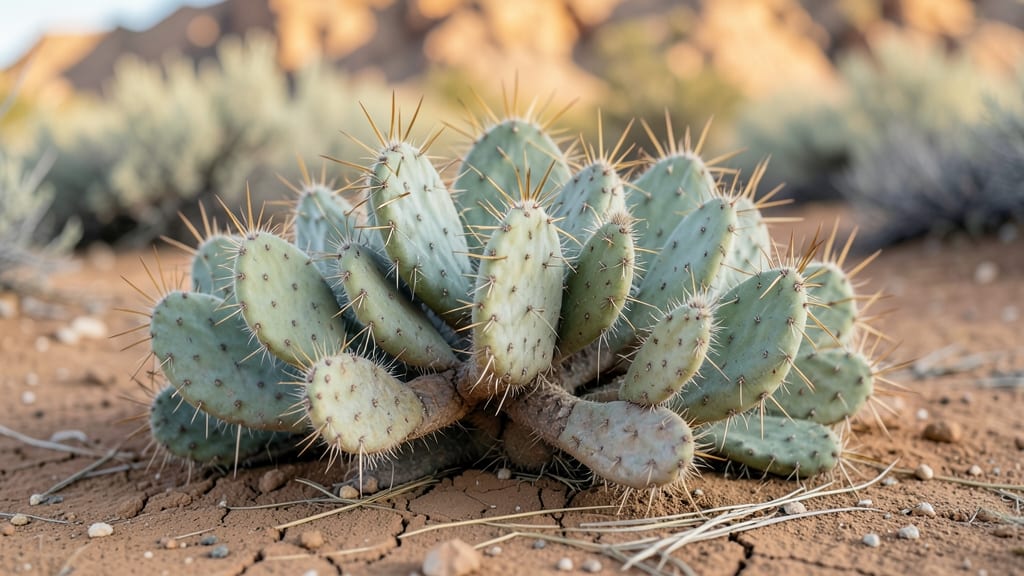
Recognizing prickly plant parts means looking for sharp structures like spines, thorns, or barbs—found in cacti, roses, and holly—while wearing gloves and avoiding direct handling to prevent painful punctures. Use tongs or pruners for safe removal.
These sharp plant structures aren't just annoying—they can cause deep punctures or allergic reactions. 🌿 Spines (like on cacti) grow from modified leaves, while thorns (common in roses) develop from stems, both capable of breaking skin.
Even seemingly harmless plants like raspberries hide barbs that cling to skin, making them surprisingly dangerous. The key is always working with the right protective gear and tools to minimize risks.
When dealing with prickly plants, I always recommend starting with thick gardening gloves and long sleeves to create a barrier. For removal, tongs or pruners are far safer than bare hands—especially when dealing with dense foliage like holly berries or cactus pads.
After handling, I rinse any exposed skin with soap and water to remove residual plant oils that might irritate punctures.
💡 In This Article
- Types of Prickly Plant Structures and Their Risks
- Safe Handling Techniques for Prickly Garden Plants
Types of prickly plant structures and their risks
Prickly plant structures come in three primary forms, each with distinct biological origins and injury risks. Spines are actually modified leaves or leaf segments—think of a cactus pad, where each spine grows from a specialized leaf structure called an areole.
These spines can penetrate up to 1/4 inch deep, often breaking off inside skin and causing infections if not properly cleaned. 🌵 The barbed edges of some spines (like those on cholla cacti) make removal particularly painful, as they grip skin like fishhooks.
Thorns, on the other hand, develop from modified stems or branches—common in roses, citrus trees, or hawthorn bushes. Unlike spines, thorns are typically thicker and more rigid, capable of delivering deeper punctures that may require medical attention. The famous rose thorn can reach lengths of 1-2 inches and often curves slightly, increasing the risk of tearing skin during extraction. Even more dangerous are glochids—microscopic barbs found on plants like the prickly pear cactus—measuring just 0.04-0.12 inches long but capable of embedding in hundreds at once.
The third category, barbs, includes fine, hair-like projections found on plants like raspberries, blackberries, and osage orange. These structures hook onto skin and clothing, creating abrasions that can introduce bacteria. A single raspberry cane contains 500-1,000 barbs per square inch, making them particularly hazardous when handling large quantities.
The severity of injury depends on both the plant type and handling method—direct contact with barbed plants often results in superficial cuts, while spines and thorns can cause deep punctures requiring medical intervention.
Understanding these differences is crucial because each structure demands a specific removal approach. Spines often require tweezers with flat tips to avoid breaking them, while thorns may need sterilized pruners for safe extraction. Barbs, however, are best handled with adhesive gloves that prevent them from clinging to skin.
The key is always working with the right tool for the structure—using the wrong method can turn a minor irritation into a serious injury. 🚨
Consider the prickly ash tree as an example: its thorns can deliver punctures deep enough to draw blood, while the devil's walking stick produces barbs that create painful abrasions when brushed against. Even seemingly harmless plants like stinging nettles contain microscopic barbs that inject formic acid, causing burning sensations.
The lesson? Never assume a plant is safe based on appearance alone—always verify the structure type before handling.
For gardeners, this knowledge translates directly to safety protocols. When working with cacti or roses, I recommend using leather gloves with wrist cuffs and protective eyewear—spines can easily dislodge and cause eye injuries.
The 10-second rule applies here too: if you feel any resistance while handling prickly plants, stop immediately and reassess your approach. Rushing increases the risk of accidental punctures, which can lead to infections or allergic reactions in sensitive individuals.
What most people don't realize is that plant oils often accompany these structures. When spines or thorns puncture skin, residual oils can trigger allergic reactions or irritate wounds.
This is why I always recommend rinsing affected areas with mild soap and cool water immediately after handling, followed by application of antiseptic cream. For deep punctures, seek medical attention—some plant toxins (like those in poison ivy) can cause systemic reactions if not treated promptly.