
Planting
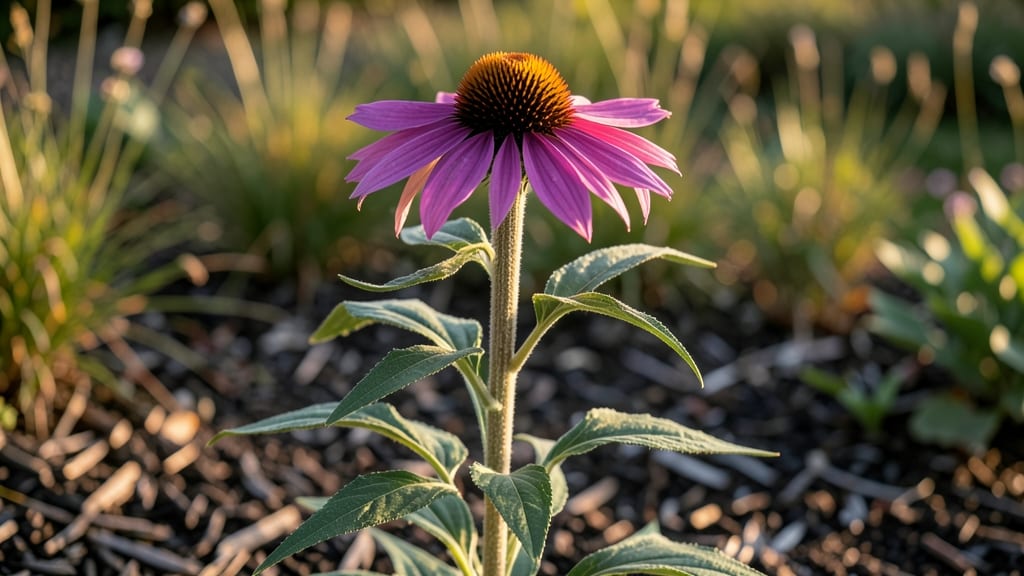
Planting purple coneflowers transforms your garden into a buzzing, blooming sanctuary. 🌿 I’ve grown these tough perennials for years, and they never fail to attract bees, butterflies, and hummingbirds while adding bold purple color that lasts from midsummer through frost.
The secret lies in mimicking their native prairie habitat—well-draining soil, full sun, and minimal fuss once established.
These drought-resistant beauties thrive in average garden soil with just occasional watering once rooted. Space them 18–24 inches apart to give them room to spread, and plant in early spring or fall when the soil is workable but not soggy.
A single plant can self-seed and multiply, creating natural drifts over time—no division needed for years.
What you’ll love most is their year-round value: the dried seed heads feed birds in winter, the roots support beneficial fungi, and the flowers keep blooming even when other perennials fade. Deer and rabbits usually leave them alone too, making them a low-maintenance superstar for any sunny spot.
Whether you’re filling a wildflower meadow or adding structure to a border, purple coneflowers deliver pollinator power with almost no effort. Here’s how to get them thriving in your garden—no green thumb required.
📚 In This Guide
- What you need
- Instructions
- Tips and common mistakes
- Wrapping up and next steps
What you need
- ● Purple coneflower seeds, seedlings, or divisions: Seeds: 10–20 seeds (for a small patch) or 50+ (for a full garden bed)
- ● Seedlings: 3–5 plants (spaced 18–24 inches apart)
- ● Divisions: 1–2 mature clumps (spring or early fall)
- ● Well-draining soil: Mix in 2–3 inches of compost or aged manure for nutrient-rich soil.
- ● Sunlight access: Full sun (6+ hours daily) for optimal blooms.
- ● Watering supplies: Garden hose with a gentle spray nozzle or drip irrigation.
- ● Mulch: Organic mulch (straw or shredded leaves) to retain moisture and suppress weeds.
- ● Slow-release fertilizer (balanced 10-10-10 or organic options like fish emulsion).
- ● Plant markers or stakes for seedling organization.
- ● Pruning shears (for deadheading spent blooms or shaping plants).
- ● Pollinator-friendly companion plants (e.g., bee balm or black-eyed Susans).
Step-by-step guide to planting and cultivating purple coneflower
Here's my go-to method for growing these hardy perennials that thrive with minimal fuss.
🌱 Step 1: Select the Perfect Planting Location
Purple coneflowers (Echinacea purpurea) thrive in full sun—at least 6 hours daily—but tolerate 4 hours of morning sun in hotter climates. I always choose a spot with well-draining soil, as these plants despise soggy roots. If your soil is heavy clay, amend with 2-3 inches of compost mixed into the top 12 inches.
Watch for existing perennials or shrubs nearby—coneflowers need 2-3 feet of space to establish their deep taproots without competing for nutrients. The ideal location gets afternoon shade in zones 8-9, where summers can scorch tender foliage.
🪴 Step 2: Plant at the Right Time and Depth
Spring or early fall planting gives roots time to establish before extreme temperatures. Dig a hole twice as wide as the root ball but no deeper—coneflowers resent being buried too deeply, which can rot the crown. Gently loosen the roots if they're pot-bound before placing in the hole.
Backfill with native soil mixed with 1 cup of bone meal for phosphorus, which encourages strong root development. Water deeply until the soil 6 inches down feels moist. I like to add a 2-inch layer of mulch around the base (but not touching the stem) to retain moisture and suppress weeds.
☀️ Step 3: Water Consistently During Establishment
Keep the soil evenly moist for the first 2-3 weeks—this is critical for root growth. Water at the base rather than overhead to prevent fungal diseases like powdery mildew. You'll know you're doing it right when the soil feels damp but not soggy down to 4 inches deep.
Once established, coneflowers are drought-tolerant, but I still water 1 inch per week during dry spells. The deep taproot means they can handle heat waves better than many perennials, but wilting leaves signal it's time to water.
✂️ Step 4: Prune for Health and Next Year's Blooms
Deadhead spent blooms in early fall to redirect energy to root growth, not seed production. I cut back one-third of the stems to the ground in late fall or early spring—this prevents flopping and encourages bushier growth. Never remove more than half the stems at once, or you'll sacrifice next year's flowers.
Watch for powdery mildew on leaves—this is common in humid climates. If you see white powder, prune affected leaves immediately and space plants 3 feet apart for better airflow. Healthy coneflowers develop dark green, upright stems with 18-inch tall flower stalks by mid-summer.
🐝 Step 5: Maintain Year-Round for Pollinators
Leave some seed heads over winter—they provide food for birds and shelter for beneficial insects. In late winter, cut back old stems to 4-6 inches tall to make room for new growth. Fertilize lightly in early spring with 5-10-10 fertilizer to support blooming, but avoid high nitrogen, which promotes leafy growth over flowers.
Your pollinator visitors will tell you when it's working—look for bees, butterflies, and hummingbirds constantly active on the purple-pink daisy-like blooms from midsummer to fall. The more you grow, the more wildlife your garden will support!
Tips & tricks for perfect purple coneflower planting
Here's what nobody tells you about growing these pollinator superstars—tricks that'll make your purple coneflowers thrive like never before.
Soil Prep Secret: Before planting, mix 1 cup of compost directly into the bottom of the hole where the roots will settle. This creates a nutrient-rich zone right where the roots need it most. I also add a handful of perlite or coarse sand to improve drainage in clay-heavy soils—this prevents the dreaded root rot that can kill young plants. The goal is to mimic their native prairie habitat where water drains quickly.
Planting Depth Matters: The instructions mention digging a hole twice as wide but no deeper—this is critical. I've seen gardeners bury the crown too deep by accident, which leads to stem rot. To check depth, place the plant in the hole and ensure the top of the root ball sits just 1/2 inch below soil level. This subtle difference prevents water from pooling around the crown during heavy rains.
Watering Wisdom: During that crucial 2-3 week establishment period, I use a moisture meter to check soil dampness at 4 inches deep. If it reads dry, water again—don't rely on visual cues. In hot climates, morning watering is best to prevent fungal spores from thriving overnight. The key is consistent moisture without waterlogging, which is why I water at the base rather than overhead.
Pruning Pro Tip: When you deadhead in early fall, save those spent blooms! Dry them in bundles and store in paper bags for winter bird feed. The seeds provide essential nutrition for goldfinches and chickadees. For spring pruning, I wait until new growth appears—cutting back too early removes potential flower buds that form at the base of stems.
Pro Tips for Purple Cone Flower Plant
- Here's what nobody tells you about growing these pollinator superstars—tricks that'll make your purple coneflowers thrive like never before.
- Soil Prep Secret: Before planting, mix 1 cup of compost directly into the bottom of the hole where the roots will settle.
- Planting Depth Matters: The instructions mention digging a hole twice as wide but no deeper—this is critical.
Frequently asked questions
When is the best time to plant purple coneflowers?
The ideal time to plant purple coneflowers is in early spring (after the last frost) or early fall (4-6 weeks before the first frost). This gives roots time to establish before extreme temperatures. If planting in summer, water deeply and mulch to retain moisture.
Why aren’t my purple coneflowers blooming?
Lack of blooms often stems from over-fertilizing (they thrive in lean soil), crowding (space plants 18–24 inches apart), or cutting back dead flowers (deadheading encourages reblooming). Ensure full sun (6+ hours/day) and well-draining soil for best results.
Are purple coneflowers deer-resistant?
While not fully deer-proof, purple coneflowers are less appealing than many other perennials. Deer may nibble if other food is scarce. To deter them, try repellent sprays, fencing, or planting alongside deer-resistant companions like lavender or Russian sage.
How do I overwinter purple coneflowers in cold climates?
Purple coneflowers are hardy to USDA Zones 3–9, but a 3-inch layer of mulch (straw or shredded leaves) protects roots in winter. Avoid heavy mulch in spring to prevent rot. In extreme cold (below -20°F), a light frost blanket can offer extra insulation.
Can I grow purple coneflowers in containers?
Yes! Use a 5-gallon pot or larger with drainage holes and a well-draining potting mix. Place in full sun and water when the top inch of soil is dry. Dwarf varieties like ‘White Swan’ work best for containers, reaching only 20–24 inches tall.
Pro Tip:
Save seeds from your coneflowers! Let a few spent blooms dry on the plant, then collect the seeds for next year’s garden. Bonus: The dried seed heads add winter interest and attract birds!
Wrapping up and next steps
The purple coneflower isn’t just a stunning addition to your garden—it’s a powerhouse for pollinators and year-round charm! 🌸 With its low-maintenance care, drought tolerance, and vibrant blooms, it’s the perfect choice for both beginners and seasoned gardeners.
Whether you’re drawn to its beauty, ecological benefits, or resilience, this plant delivers on all fronts.
Ready to transform your outdoor space? Start small—plant one this season and watch your garden thrive with color, life, and ease. Your pollinators (and future self) will thank you!