
Planting
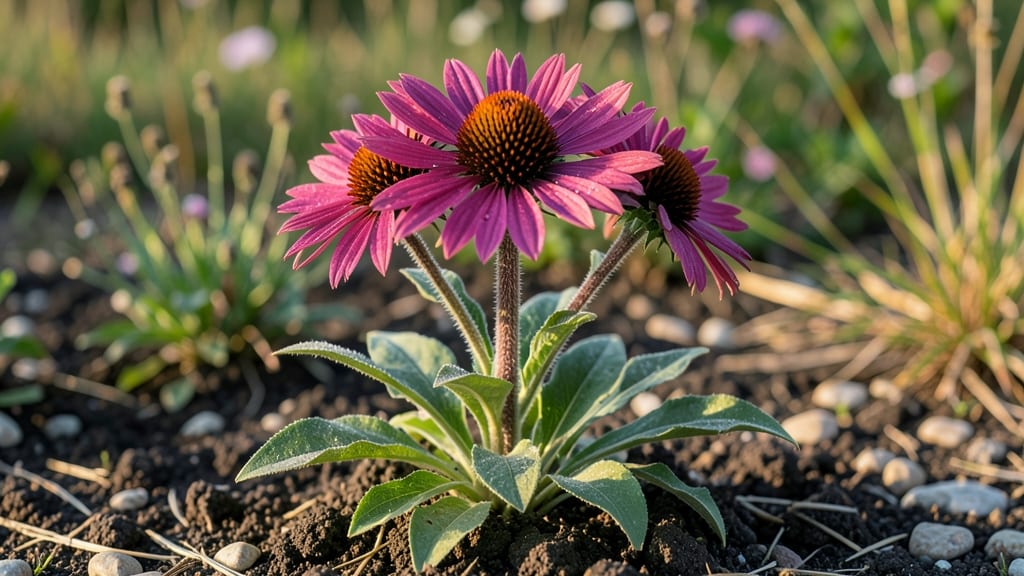
Mastering purple flower plant identification can turn your garden from a wild mix of colors into a thoughtfully designed sanctuary. 🌸 I’ve spent years helping gardeners pinpoint exactly which plant is blooming in their yard—whether it’s the velvety petals of a clematis or the airy clusters of a lavender bush.
The key lies in three details: flower shape, leaf texture, and growth habit, which narrow down the options faster than any app ever could.
Take clematis, for example: its bell-shaped blooms drape like ribbons, while lavender grows in tight, fragrant spikes that smell like a Provençal summer. Other standouts include petunias (with their trumpet-shaped flowers) and hydrangeas (whose blooms shift color based on soil pH).
I’ll walk you through how to spot these and 17 more purple beauties—plus how to tell if your mystery bloom is an annual, perennial, or shrub.
Once you’ve got the ID down, you’ll know exactly how to care for it—whether that means pruning lavender after blooming or staking tall clematis vines before they flop. The right placement in your garden suddenly becomes obvious: sun-loving petunias near the patio, shade-tolerant hydrangeas under trees.
This isn’t just about naming plants—it’s about unlocking their full potential. A correctly identified purple flower means you’ll nurture it to thrive, not struggle to keep it alive. Let’s get started with the foolproof method I’ve used for years.
Behind the Color Shift
If your purple-blooming plant suddenly sports flowers in shades of pink, blue, or even white, don’t panic—there’s usually a logical (and fixable!) reason. Purple pigments in plants are often the result of anthocyanins, compounds that react to environmental cues.
When these cues change, so does the color. Below, we break down the most common triggers for unexpected color shifts in purple-flowering plants, along with science-backed explanations and actionable fixes.
Purple flowers owe their vibrancy to anthocyanin pigments, which are temperature-sensitive. When nights grow cooler (especially below 60°F/15°C) or days become shorter, plants may produce more anthocyanins to protect leaves from UV damage and boost photosynthesis.
However, if temperatures swing too drastically—or if light exposure changes—your plant might shift to softer hues like lavender or pale pink.
- Why it happens:
- Cool nights (50–60°F/10–15°C) trigger anthocyanin production, deepening purples.
- Hot days (>85°F/30°C) can inhibit anthocyanin synthesis, dulling colors.
- Low light reduces chlorophyll, making purple hues more dominant (think of a red cabbage turning pink in shade).
- Actionable fixes:
- 🌡️ Monitor nighttime temps: Use a soil thermometer to ensure temps stay above 50°F (10°C). For sensitive species (like Salvia), add row covers in late summer to buffer heat.
- 💡 Adjust light exposure: If your plant is in partial shade, gradually move it to 6+ hours of direct sun (for sun-lovers like Cleome) or filter light with sheer curtains (for shade-tolerant Heuchera).
- ⏳ Patience for seasonal shifts: Some plants (like Lobelia) naturally lighten in summer heat—this is normal!
Purple flowers thrive in slightly acidic to neutral soils (pH 6.0–7.0), but when soil pH drifts or moisture levels fluctuate, anthocyanin production can stall. Overwatering or alkaline soil (pH >7.0) can also leach nutrients like phosphorus and magnesium, which are critical for pigment development.
| Condition | Effect on Purple Flowers | Quick Test |
|---|---|---|
| Overwatering (soggy soil) | Dilutes nutrients; flowers may turn washed-out pink or fail to bloom. | Stick your finger 2" deep—if damp after 24 hours, you’re overdoing it. |
| Underwatering (dry, cracked soil) | Stresses roots; anthocyanins break down, leading to brownish-purple or stunted blooms. | Weigh a handful of soil—if it’s lighter than expected, water deeply. |
| Alkaline soil (pH >7.0) | Locks out iron/manganese, causing bluish-purple shifts (common in Petunia). | Use a pH test kit—aim for 6.0–6.5 for most purple bloomers. |
Actionable fixes:
- 💧 Water wisely: Aim for 1 inch of water per week (adjust for clay/sandy soil). Use drip irrigation to avoid wetting foliage, which can promote fungal issues.
- 🧪 Test and amend soil:
- For alkaline soil: Mix in peat moss or pine needles (acidic amendments) to lower pH.
- For nutrient-deficient soil: Add compost or a balanced fertilizer (10-10-10) at planting time.
- 🌱 Choose the right plant: Some species (like Begonia) tolerate acidic soil (pH 5.5–6.5), while others (like Verbena) prefer neutral pH.
Purple flowers need a precise balance of nutrients, especially phosphorus (P) and magnesium (Mg), which regulate anthocyanin synthesis. Too little or too much of these can turn your vibrant blooms into a sad, muted version of themselves.
- Key deficiencies:
- Phosphorus (P) deficiency: Leads to dull purple or reddish-brown flowers (common in Petunia). Why? Phosphorus helps activate enzymes that produce anthocyanins.
- Magnesium (Mg) deficiency: Causes yellowing between leaf veins and bluish-purple blooms (seen in Salvia). Magnesium is a cofactor for chlorophyll, so its lack throws off pigment balance.
- Nitrogen (N) excess: Over-fertilizing with nitrogen (e.g., lawn fertilizer) can suppress flowering and dilute purple hues with greenish tints.
- Actionable fixes:
- 📊 Test soil nutrients: Use a DIY soil test kit to check P and Mg levels. Ideal ranges:
- Phosphorus: 20–50 ppm
- Magnesium: 100–300 ppm
- 🌿 Fertilize strategically:
- For phosphorus boost: Use a bone meal or rock phosphate (apply in early spring).
- For magnesium boost: Sprinkle Epsom salt (1 tbsp/gallon of water) monthly during blooming season.
- Avoid high-nitrogen fertilizers (like blood meal) if you want vibrant blooms.
- 🍄 Use organic matter: Compost or worm castings provide a slow-release nutrient blend that supports steady anthocyanin production.
- 📊 Test soil nutrients: Use a DIY soil test kit to check P and Mg levels. Ideal ranges:
Not all color changes are caused by your care—sometimes, it’s just biology. Younger plants or certain cultivars may produce
Quick fixes for purple flower plant puzzles
Got a mysterious purple-blooming plant and no clue what it is? Don’t panic—identifying it is easier than you think! Whether you’re dealing with a wild garden mystery, a houseplant surprise, or a landscape showstopper, these step-by-step solutions will help you crack the case.
Below, we’ve mapped common challenges to practical fixes, plus pro tips to keep your purple beauties thriving.
Problem: The plant looks familiar, but the purple flowers throw you off—or it’s just too unique. Fix:
- 📸 Snap a clear photo of the plant (include leaves, stems, and flowers at full bloom).
- 🌿 Check the leaf shape, texture, and arrangement (alternate? whorled? fuzzy?).
- 🌍 Compare to databases like [iNaturalist](https://www.inaturalist.org/), [PlantNet](https://identify.plantnet.org/), or [Google Lens](https://lens.google.com/).
- 📖 Cross-reference with field guides—purple flowers often belong to lavender, salvia, petunias, or clematis families.
Prevention Tip: 💡 Keep a plant journal with photos and notes on growth habits. Label new additions immediately!
Problem: You think you’ve identified it, but it’s struggling—yellowing leaves, wilting, or no rebloom. Fix:
- 💧 Water woes? Purple-flowering plants like clematis and wisteria need consistent moisture (but not soggy soil). Petunias and salvias prefer well-draining soil.
- ☀️ Light issues? Some (like lilacs) love full sun, while others (e.g., african violets) thrive in bright, indirect light.
- 🌿 Soil swap? Amend heavy clay or sandy soil with compost or peat moss for nutrient balance.
- 🐞 Pest patrol: Purple flowers attract aphids and spider mites. Blast off pests with neem oil or soapy water.
Prevention Tip: ✨ Group plants by needs—purple bloomers often share care traits (e.g., drought-tolerant lavender vs. moisture-loving hydrangeas).
Problem: The plant identified itself… but it’s barely flowering or blooms once and quits. Fix:
- ✂️ Prune strategically:
- Deadhead spent blooms (snip just above a leaf node) to encourage clematis, petunias, and salvias to rebloom.
- Cut back leggy growth in early spring (e.g., wisteria, lilacs) to promote bushier, flower-packed stems.
- 🌿 Fertilize right:
- Low-nitrogen feed (like 5-10-10) for colorful blooms (avoid leafy green growth).
- Bone meal or compost tea boosts phosphorus for root-bound plants (e.g., african violets).
- 🌡️ Adjust seasons:
- Some purple bloomers (like crocus) need a cold winter dormancy—don’t fertilize in fall!
- Others (e.g., impatiens) hate frost—bring them indoors before temps drop.
Prevention Tip: 🎯 Feed in stages: Apply fertilizer every 4–6 weeks during growing season, then taper off in late summer.
Problem: That "pretty purple" might be bindweed, morning glory, or henbit—aggressive spreaders. Fix:
- 🌱 Pull early: Remove before seeds set (wear gloves—some, like bindweed, have deep roots).
- 🔥 Smother or solarize: Cover with cardboard + mulch or use black plastic in hot sun for 6+ weeks.
- 💊 Herbicide last resort: Use glyphosate (follow label) for stubborn invaders like purple loosestrife.
- 🌿 Replace wisely: Swap out weeds with native purple perennials like bee balm or purple coneflower.
Prevention Tip: 🔥 Mulch heavily (3+ inches) to block weed seeds from germinating.
Pro Tip: 🌿 Label your purple stars! Use stakes, plant markers, or even painted rocks—future you (and your garden) will thank you. Happy identifying! 🌸
Frequently asked questions
How can I tell the difference between a lavender plant and a purple salvia?
Lavender has tight, fragrant flower spikes with narrow, gray-green leaves, while purple salvia typically features spiky, one-sided flower clusters with square stems and opposite leaves. Lavender also has a strong, sweet aroma, while salvia blooms are often slightly more showy and less aromatic.
What's the best way to identify a purple flower if I don't know its name?
Start by examining the flower shape (trumpet-shaped like petunias, clustered like hydrangeas, or spiky like clematis), then check the leaf arrangement (alternate, opposite, or whorled). Take clear photos of the flowers, leaves, and stems, then compare them to databases like PlantNet or iNaturalist for matches.
Why does my purple flower plant keep turning pink or white?
Color shifts often happen due to temperature changes (cool nights deepen purples, while heat can lighten them) or soil pH issues. Test your soil—purple flowers thrive in slightly acidic to neutral pH (6.0–7.0). If your soil is alkaline, amend it with peat moss or pine needles to restore vibrant hues.
Are there any purple flowers that bloom year-round?
Most purple flowers are seasonal, but some like petunias (with proper care) or african violets can bloom continuously indoors. For outdoor gardens, clematis and wisteria offer long blooming seasons, while lavender thrives in warm climates with minimal winter dieback.
How do I prevent my purple flowers from attracting too many pests?
Purple flowers often attract aphids and spider mites, but you can reduce issues by keeping plants healthy with balanced fertilization and proper watering. Spray leaves with neem oil or soapy water weekly as a preventive measure, and remove any yellowing or damaged foliage promptly.