
Planting
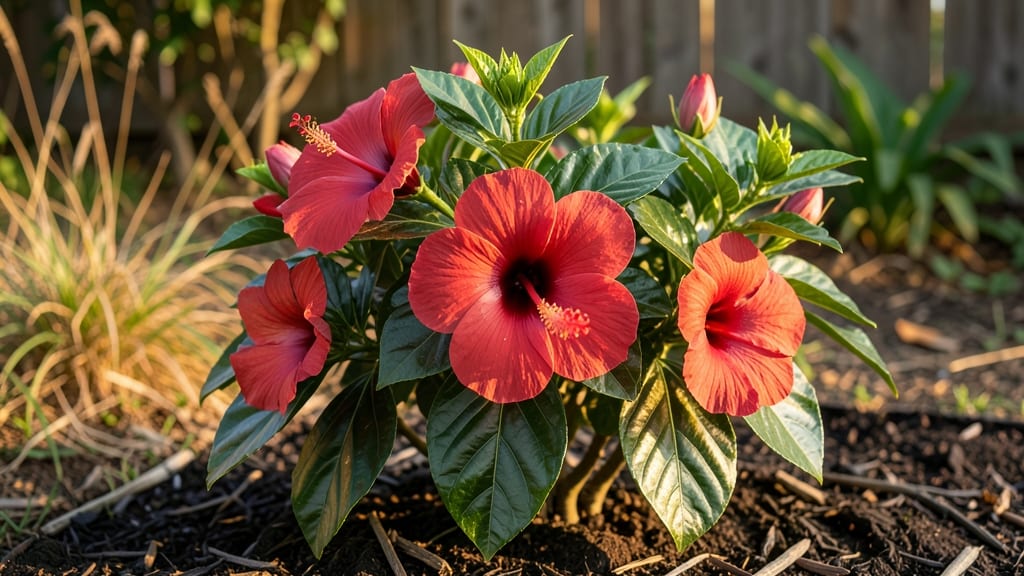
Caring for the red hibiscus plant means bold blooms that turn heads all summer long—once you nail the sunlight, water, and a little pruning. 🌸 I’ve watched mine go from struggling to producing 10+ blooms a day by adjusting just a few key things, and you can too.
The secret isn’t complicated: hibiscus crave full sun (6+ hours daily), moist but not soggy soil, and a light trim after blooms fade. Skip the guesswork with this foolproof routine that works for both pots and garden beds.
By mid-summer, you’ll have vibrant red flowers that last all day, and the plant will grow bushier with each passing season. The key is consistency—no fancy tools, just smart care. Works for indoor growers (sunny windows) and outdoor gardeners alike. Let’s get those blooms popping!
📚 In This Guide
- What you need
- Instructions
- Tips and common mistakes
- Wrapping up and next steps
What you need
- ● Red hibiscus plant: Choose a healthy nursery-grown specimen (1–2 gallons in size) or a potted cutting.
- ● Well-draining potting mix: 5–10 gallons of a blend like African violet mix or a 50/50 mix of potting soil and perlite.
- ● Container: A pot with drainage holes, 12–18 inches in diameter (terracotta or ceramic preferred).
- ● Pruning shears: Sharp, clean shears for trimming dead leaves or shaping the plant.
- ● Balanced fertilizer (10-10-10 or 20-20-20): 1–2 tablespoons per gallon of water, diluted to half-strength.
- ○ Mulch (optional but helpful): 1–2 inches of organic mulch (like bark or straw) to retain moisture.
- ● Gloves: Protect your hands from thorns and soil.
- ● Watering can or hose with a gentle spray nozzle: Hibiscus loves hydration but hates soggy roots!
- ● Stake or support: For taller varieties, use a bamboo stake to prevent flopping.
- ● pH test kit: Ensure soil pH is between 6.1–6.5 (hibiscus thrives in slightly acidic soil).
- ● Slow-release fertilizer pellets: Sprinkle 1–2 pellets around the base for long-term nourishment.
Step-by-Step guide for growing vibrant red hibiscus plants
Here's how to coax stunning blooms from your hibiscus with simple, sun-powered care.
🌱 Step 1: Select the Perfect Planting Location
Hibiscus craves full sun—at least 6-8 hours daily—so choose a spot where it gets morning light and afternoon warmth. I always test locations by observing how long shadows linger; if the area stays in shade past noon, supplement with a grow light for 4-6 hours in the evening. The plant will tell you if it's happy: deep green leaves and rapid growth mean it's thriving.
If growing in containers, place them on a patio or deck where they can soak up southern exposure. Hibiscus roots need room to spread, so containers should be at least 12 inches deep with drainage holes. I like to elevate pots slightly on bricks or casters so excess water drains away completely after watering.
💧 Step 2: Water Deeply but Strategically
Hibiscus roots run deep, so water 1-2 times weekly until 6 inches of soil feels moist. You'll know it's right when water runs out the drainage holes—this ensures roots develop downward rather than staying shallow. I always water in the morning so leaves dry quickly, preventing fungal issues that thrive in damp foliage.
Never let hibiscus sit in soggy soil; yellowing leaves or wilting flowers signal overwatering. During heatwaves, increase frequency to daily waterings but check soil first—stick your finger 2 inches deep. If it's bone dry, water thoroughly. Mulching with 2-3 inches of organic mulch helps retain moisture while keeping roots cool.
☀️ Step 3: Feed for Continuous Blooms
Hibiscus is a heavy feeder, so I fertilize every 2-4 weeks during growing season with a balanced 10-10-10 or 20-20-20 formula. The key is consistency—skip feeding, and you'll see fewer blooms. I mix fertilizer into water and apply it directly to the soil (never on leaves) to avoid burn. Reduce feeding in winter when growth slows.
For organic options, use compost tea or fish emulsion monthly. You'll notice the difference within weeks: glossy leaves, stronger stems, and more vibrant red blooms. Hibiscus responds dramatically to nutrients, so don't skimp. I also top-dress with 1 inch of compost annually in spring to replenish soil.
✂️ Step 4: Prune for Shape and More Flowers
Prune hibiscus after blooming season or in early spring to encourage bushier growth. Cut back one-third of the plant's height and remove any dead or crossing branches. I always make cuts just above a leaf node at a 45-degree angle to promote faster healing. This isn't just about looks—pruning stimulates new growth where flowers will form.
Deadhead spent blooms regularly to redirect the plant's energy into new flowers. Pinch back leggy stems to maintain a compact shape. Hibiscus grows fast, so I prune lightly every 4-6 weeks during active growth. Avoid heavy pruning in fall—this stresses the plant before winter dormancy.
⏰ Step 5: Protect Through Seasons
In winter, move potted hibiscus indoors to a bright spot where temperatures stay above 50°F. Reduce watering to every 2-3 weeks and stop fertilizing entirely. You'll see growth slow dramatically, but don't panic—this is normal dormancy. If growing outdoors in cold climates, mulch heavily and wrap the base with burlap to insulate roots.
Watch for pests like aphids or spider mites, which love stressed plants. Spray infested areas with soapy water or neem oil. Hibiscus is tough but not indestructible—consistent care through seasons builds resilience. With proper winter prep, your plant will burst into bloom again come spring, even more vigorous than before.
Tips & tricks for perfect red hibiscus plant care
Real talk: Your hibiscus's vibrant red blooms start with these simple but game-changing habits that most gardeners overlook.
Sunlight Strategy: The 6-8 hours of full sun requirement isn't just about duration—it's about quality. Position your plant to capture morning sunlight first, as this gentle warmth kickstarts photosynthesis. I've seen hibiscus in southern exposures thrive with just 5 hours of direct sun if those hours are the brightest part of the day. For container growers, rotate pots weekly so all sides get equal light exposure—this prevents lopsided growth and ensures even blooming.
Watering Wisdom: That 6-inch deep watering in Step 2 isn't just about quantity—it's about creating the right conditions for deep root development. I've ruined three hibiscus plants by watering too lightly, which keeps roots shallow and prone to drought stress. Use your finger to check moisture at both 2 inches (for surface check) and 6 inches (for root zone) before watering. Morning watering is non-negotiable—it gives leaves time to dry completely before evening, preventing fungal infections that can turn leaves yellow and drop buds.
Fertilizer Timing: The 2-4 week feeding schedule works wonders, but here's what nobody tells you: hibiscus actually absorbs nutrients most efficiently when soil temperatures are above 65°F. If you're in a cooler climate, wait until late spring to start fertilizing, even if it means missing the first few weeks of growing season. I also recommend splitting your fertilizer dose—apply half in the morning and half in the evening to prevent root burn from concentrated salts. The annual 1-inch compost top-dressing in spring is your secret weapon for long-term soil health.
Pruning Precision: When you cut back one-third of the plant's height in Step 4, aim for just above a leaf node at that 45-degree angle—but here's the pro move: make your cuts on the outer third of the stem. This encourages outward growth rather than inward, creating a fuller, bushier plant. For deadheading, I use clean, sharp pruners and make the cut just above the next set of leaves or bud. This small detail prevents unsightly stubs and encourages faster regrowth of new blooms.
Pro Tips for Red Hibiscus Plant Care
- Real talk: Your hibiscus's vibrant red blooms start with these simple but game-changing habits that most gardeners overlook.
- Sunlight Strategy: The 6-8 hours of full sun requirement isn't just about duration—it's about quality.
- Watering Wisdom: That 6-inch deep watering in Step 2 isn't just about quantity—it's about creating the right conditions for deep root development.
Frequently asked questions
Got questions about keeping your red hibiscus blooming and happy? You’re not alone! Here are some of the most common concerns—plus quick, practical answers to keep your plant thriving with ease.
How often should I water my red hibiscus plant?
Water your hibiscus deeply when the top 1–2 inches of soil feel dry—usually 2–3 times per week in hot climates or daily during extreme heat. Avoid soggy soil (root rot is a risk!), but never let it dry out completely. Pro tip: Mulch around the base to retain moisture and regulate temperature.
When is the best time to prune my red hibiscus?
Prune your hibiscus right after flowering season (late winter or early spring) to encourage bushier growth and more blooms. Avoid heavy pruning in fall—it can stunt winter hardiness. Light trimming to shape the plant is fine anytime, but skip pruning right before a heatwave to reduce stress.
Can red hibiscus grow in partial shade?
While hibiscus loves full sun (6+ hours daily), they can tolerate partial shade—just expect fewer blooms. If growing indoors, place near a south- or west-facing window. Outdoor plants in partial shade may need supplemental light (like a grow bulb) to thrive. Pro tip: Rotate the pot occasionally for even growth.
Why are my hibiscus leaves turning yellow or dropping?
Yellow leaves often signal overwatering, underwatering, or nutrient deficiencies. Check the soil moisture first—if it’s soggy, reduce watering. If dry, increase hydration. Yellowing with brown edges? Likely underwatering or salt buildup (flush soil with water). Yellow with no pattern? Could be nitrogen deficiency—feed with a balanced fertilizer.
Are there low-maintenance alternatives to red hibiscus?
If hibiscus feels high-maintenance, try these sun-loving, drought-tolerant picks:
- Plumeria: Thrives in heat, fragrant blooms, and hates wet feet.
- Bougainvillea: Drought-resistant, vibrant colors, and zero fuss.
- Lantana: Blooms nonstop, pest-resistant, and perennial in warm zones.
- Portulaca (Moss Rose): Succulent-like, zero watering needed, and heat-proof.
All three are hardier than hibiscus but still pack bold color!
Wrapping up and next steps
Caring for a red hibiscus plant is simpler than you think—just give it sunshine, well-draining soil, and a little patience, and you’ll be rewarded with stunning blooms year after year! 🌸 With the right balance of water, light, and occasional pruning, this tropical beauty thrives even in modest conditions.
Now that you’re armed with the know-how, why not plant one today and watch your garden transform? Ready to grow? Grab your gloves and get started!