
Planting
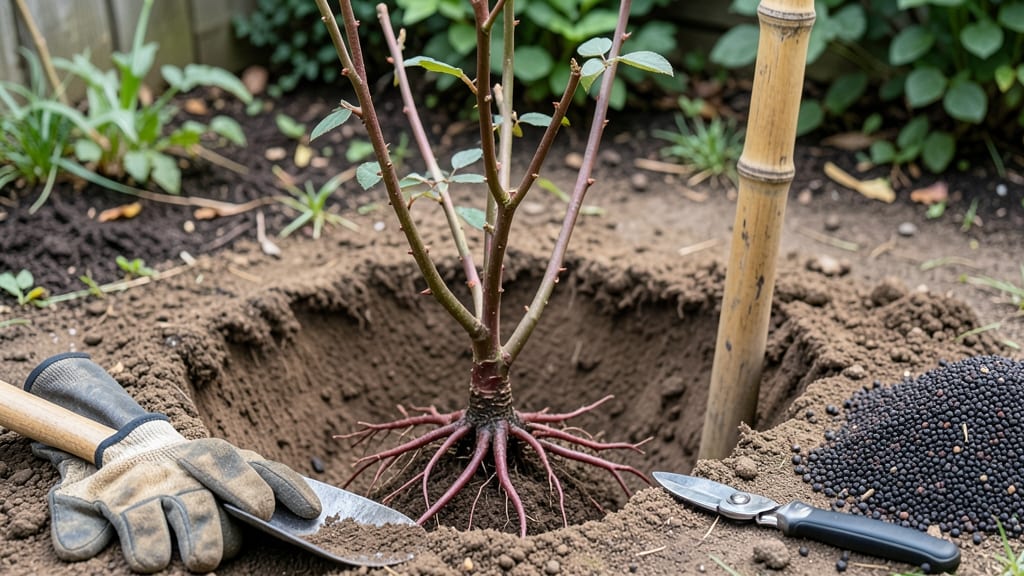
Planting roses at the right time in rose planting season is the secret to those showstopping blooms you’ve been dreaming of—because a single misstep can leave your 🌹 struggling for years.
Timing your rose planting just right can mean the difference between lush blooms and struggling stems—so knowing the exact months by your hardiness zone is non-negotiable for success.
In Zone 6a, like many gardeners, April and May are your golden windows, but the rules shift dramatically if you’re in warmer or colder regions.
Whether you’re working with bare-root roses or container-grown varieties, the prep work matters just as much as the calendar. We’ll break down soil prep, watering schedules, and even how to adjust for late frosts or early heatwaves—so you can plant with confidence, not guesswork.
By the end, you’ll know not just when to plant, but how to set your roses up for a season of thriving growth, from the first bud to the last harvest. Let’s get those roots in the ground the right way.
Best rose planting months by USDA hardiness zones (with exact dates)
Getting your roses planted at the right time ensures strong root establishment and vibrant blooms. Unlike many plants, roses thrive when planted during specific seasonal windows that vary by USDA hardiness zone.
In colder zones, early spring planting gives roots time to establish before summer heat, while warmer zones benefit from fall planting to avoid drought stress.
Bare-root roses and container-grown roses also have different ideal planting times. Bare-root roses should be planted as soon as the soil is workable in spring, while container roses can often be planted later in the season since their roots aren't exposed.
Microclimates—like sheltered garden spots—can also shift your planting window by 2-4 weeks earlier or later.
Below is your zone-by-zone planting guide with exact months, climate considerations, and tips for adjusting to your local conditions. Use this to time your planting perfectly for maximum bloom potential.
For zones 3-5, focus on planting bare-root roses in early May to avoid late spring frosts that can damage tender new growth. Container roses can handle a slightly later start, but aim to get them in the ground by June to prevent transplant shock during summer's peak heat.
If you're in zone 6 or 7, both spring and fall planting work well—just avoid planting in late summer when heat stress is highest.
In warmer zones (8-9), the best time to plant roses is actually during the cool months. November through February provides ideal conditions for root establishment without the stress of summer drought.
Container roses here can even be planted year-round, except during the hottest weeks. For zone 10+, summer planting is a no-go—opt for winter months when temperatures are mild.
Microclimates can shift these windows by 2-4 weeks. A south-facing slope may warm up faster, allowing earlier planting, while a shaded valley could delay your window. Always check your local frost dates and adjust accordingly.
For example, if your area has late frosts in May, wait until after May 15th to plant bare-root roses, even if the general zone guideline suggests earlier.
One final tip: Soil temperature matters just as much as air temperature. Use a soil thermometer—ideal planting soil should be at least 50°F (10°C). If your soil is still cold, hold off until it warms up, even if the calendar suggests it's time to plant.
Cold soil can stunt root growth and leave your roses vulnerable to disease.
By following these zone-specific guidelines, you'll give your roses the best possible start. Whether you're planting bare-root roses in spring or container-grown varieties in fall, timing is everything for healthy, blooming roses all season long. 🌹
How to extend your rose planting season in unpredictable climates
Unpredictable weather can throw off even the most experienced gardener’s rose planting schedule. Late freezes, early heatwaves, or sudden temperature swings in zones like 7a vs. 7b make timing critical.
The good news? With the right strategies, you can extend your planting window and give your roses the best shot at thriving blooms—even when Mother Nature plays tricks.
My top techniques focus on soil warming, frost protection, and strategic planting schedules tailored to your microclimate. For example, in zone 7a, where last frosts can linger into April, I’ve learned to use row covers and black plastic mulch to jumpstart the season.
Meanwhile, in zone 7b, I prioritize shade cloth for young plants to protect them from sudden heat spikes. Let’s break down the proven methods that work for me—and can work for you too.
- 1. Use black plastic mulch to warm soil 5-10°F faster than bare earth. Lay it down 2-3 weeks before planting in cooler zones like 6a-7a.
- 2. Plant container-grown roses instead of bare-root. They adapt 2-3 weeks earlier to changing temperatures and reduce transplant shock.
- 3. Set up frost protection with row covers or cloche tunnels. These can delay frost damage by 1-2 weeks in late spring.
- 4. Choose cold-hardy varieties like Knock Out® roses or Dr. Huey, which tolerate 20°F and thrive in erratic climates.
- 5. Adjust planting depth. Bury the graft union 1-2 inches deeper than usual to protect it from temperature swings and encourage stronger roots.
- 6. Monitor microclimates. South-facing slopes warm up 3-5 days earlier than north-facing beds—use this to your advantage.
- 7. Delay watering until soil warms to 60°F to prevent root rot in cool, damp soil. Use a soil thermometer to track progress.
One of my favorite tricks is staggered planting. Instead of planting all your roses at once, I space them out over 2-3 weeks. This way, if a late frost hits, not all your plants will be affected.
For instance, in zone 8a, I plant 30% of my roses in early April, another 30% in mid-April, and the final 40% in late April. By the time the last frost arrives, most of my plants are already established.
For early heatwaves, I rely on shade cloth (30-50% shade) to protect young roses from 90°F+ temperatures. I also water deeply in the early morning to keep roots cool.
In my zone 9a garden, this has helped me extend the planting season by up to 4 weeks compared to traditional schedules. Another tip: mulch heavily with wood chips or straw to retain moisture and regulate soil temperature.
Don’t overlook the power of container growing for roses in unpredictable climates. Potted roses give you flexibility to move them indoors or to a sheltered spot during extreme weather. I’ve successfully overwintered container-grown roses in zone 7b by moving them to an unheated garage when temperatures drop below 25°F.
This method also works for tropical roses that wouldn’t survive winter outdoors.
Finally, keep a planting journal to track what works in your specific climate. Note the exact dates of your first and last frosts, as well as any unusual weather patterns. Over time, you’ll refine your approach and create a customized planting schedule that outsmarts unpredictable weather.
With these techniques, your roses will bloom beautifully—no matter what Mother Nature throws your way. 🌹