
Planting
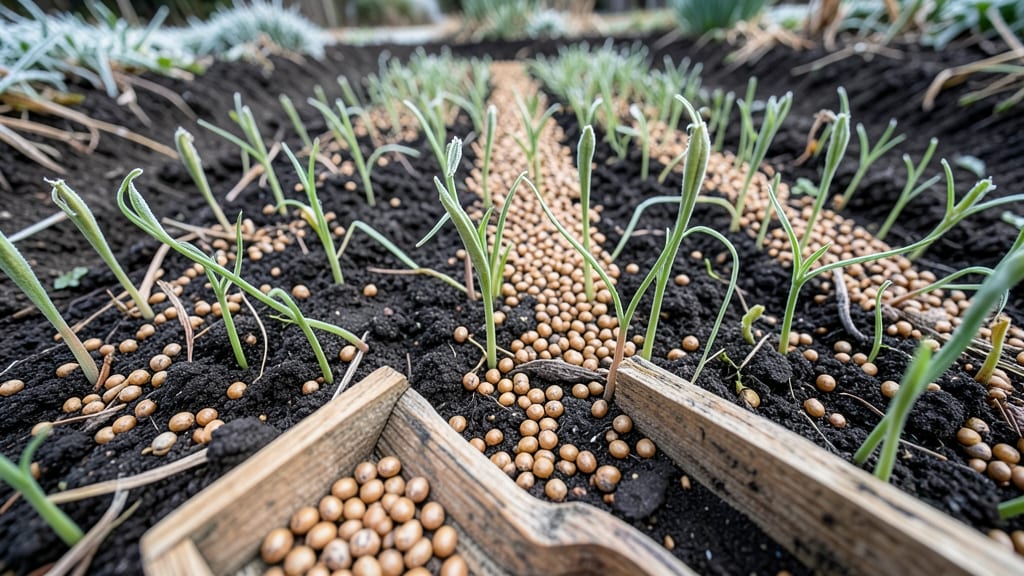
January may seem too cold for gardening, but these 10 frost-hardy seeds thrive in winter soil. Starting them early ensures a head start on your spring harvest while avoiding summer planting competition.
Peas: Sugar Snap and Snow Varieties
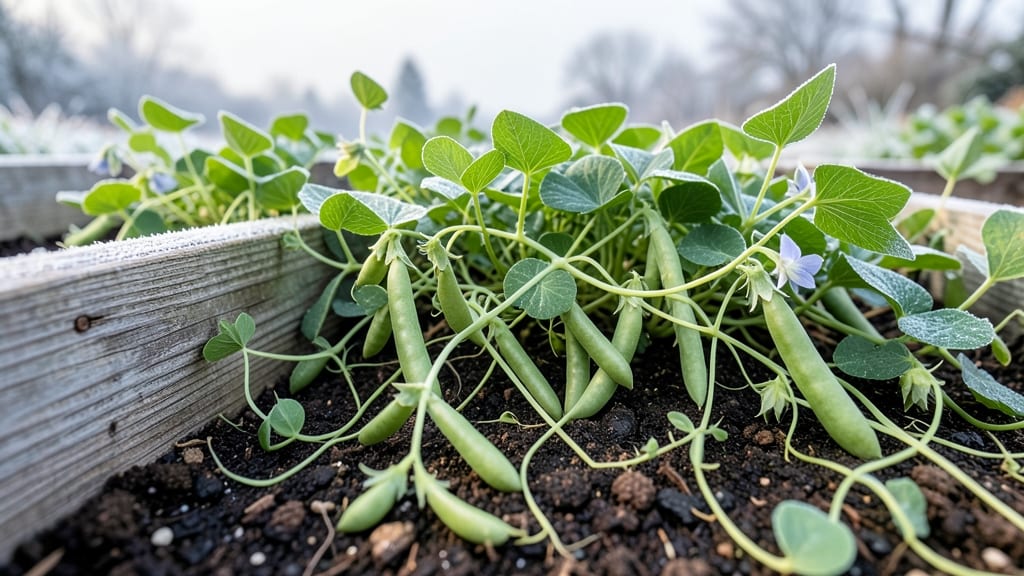
Looking for a zero-fuss January seed that rewards you with fresh harvests while improving your soil? Sugar snap and snow peas are your answer—they germinate in 40°F soil and grow faster than you can say "spring."
These cold-loving plants don’t just survive winter—they thrive in it, fixing nitrogen into the soil as they grow. Plant them in containers or small beds (they need minimal space) and watch them climb a simple trellis or fence. For best results, sow seeds 1-2 inches deep and keep soil moist but not soggy. Harvest begins in just 60-70 days, giving you an early taste of summer.
Perfect for beginner gardeners or those with limited space, peas add a sweet, crisp harvest while working behind the scenes to enrich your soil for future crops. 🌱
Spinach: Baby Leaf and Winter Bloomsdale
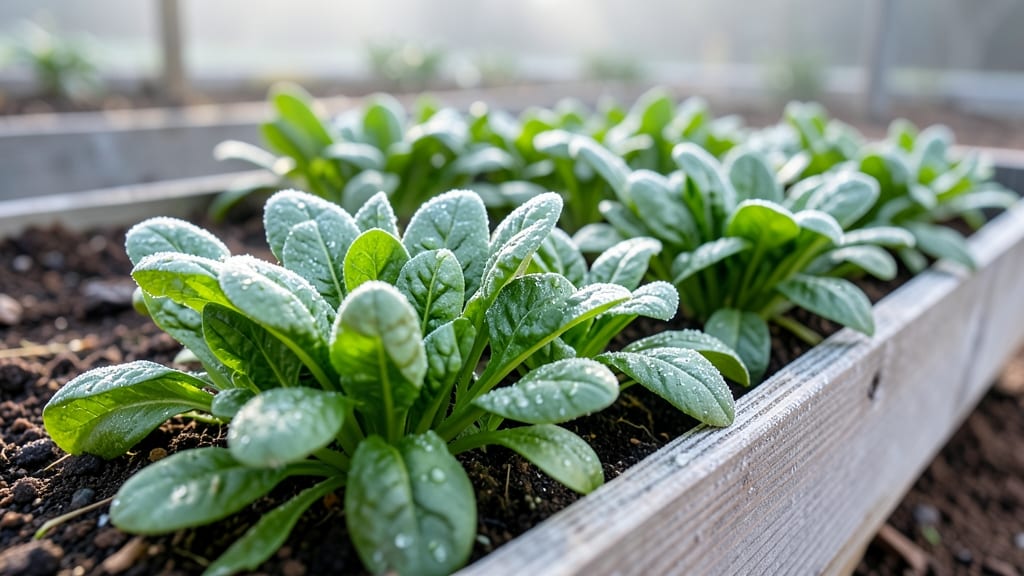
If you crave fresh salad greens but dread summer bolting, spinach is your January superstar—it not only survives frost but tastes sweeter after a light freeze. The Baby Leaf variety delivers tender, quick-harvest leaves in just 30-40 days, while Winter Bloomsdale stands up to 20°F temperatures, making it ideal for early sowing.
For urban gardeners, spinach thrives in 5-inch-deep containers with well-draining soil and 4-6 hours of sunlight daily. Plant seeds ½-inch deep, spacing them 1-2 inches apart, and keep soil consistently moist. Harvest outer leaves first to encourage continuous growth, and watch your balcony transform into a salad bar by spring.
This cold-hardy green is perfect for first-time container growers or anyone wanting year-round greens with minimal effort. 🌱
Kale: Curly and Lacinato Types
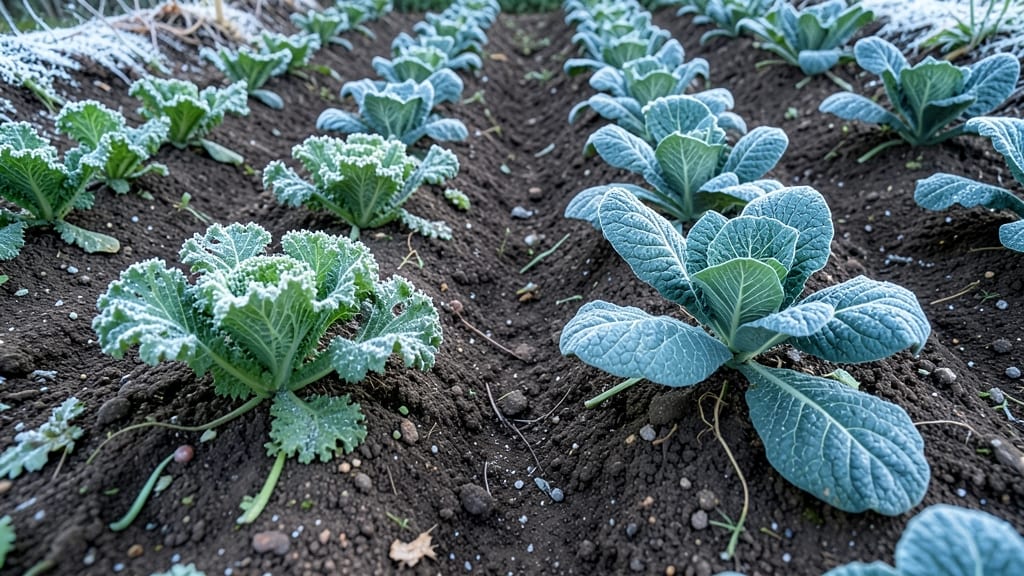
If you’ve ever wondered why gardeners rave about kale in winter, it’s because this leafy powerhouse not only survives frost but tastes sweeter after a light freeze. The two standout varieties—curly kale and Lacinato (Dinosaur kale)
Sow seeds directly in the garden as soon as soil is workable (around 40°F), spacing them 12–18 inches apart. Both types thrive in full sun to partial shade and tolerate temperatures down to 15°F, making them ideal for early January plantings. For extra protection, apply a layer of mulch to insulate roots. Harvest outer leaves as needed, leaving the center to keep producing for months. This dual-purpose plant works just as well in the kitchen as it does in the garden—its ornamental fronds add texture to winter landscapes. Urban gardeners and permaculture enthusiasts will love how kale’s deep roots improve soil structure while providing year-round greens. 🌿
Broad Beans: Aas and The Sutton Varieties
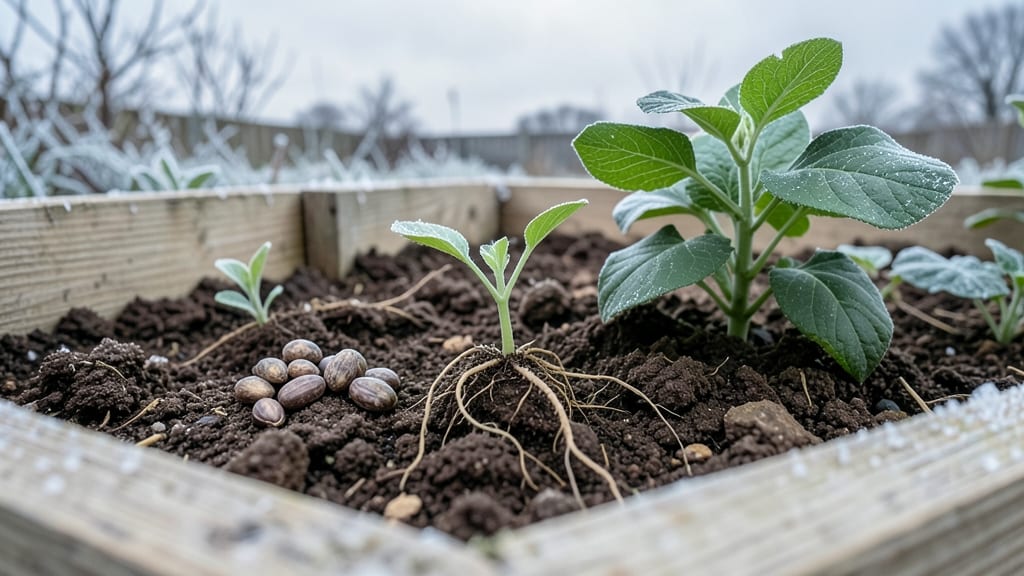
Looking for a low-maintenance winter crop that doubles as a soil superfood? Broad beans (Vicia faba) like the Aas and The Sutton varieties are your answer—these hardy biennials thrive in poor soil while fixing nitrogen to feed hungry plants.
Sow seeds directly in January (they tolerate light frost) and watch them climb trellises or grow bush-style. Harvest tender pods when young, or let flowers bloom for pollinators. Their deep roots break up compacted soil, making them ideal for companion planting with tomatoes, peppers, or brassicas.
Perfect for organic gardeners or those with less-than-ideal soil, broad beans reward patience with year-round benefits—edible harvests and improved soil health. 💚
Radishes: Cherry Belle and French Breakfast
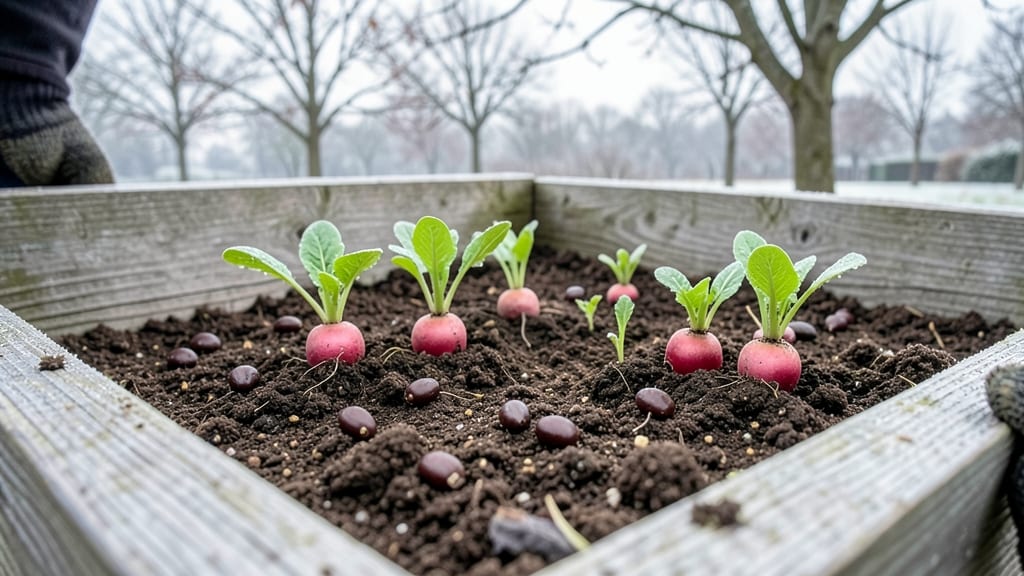
If you've ever felt gardening moves too slowly, radishes like Cherry Belle and French Breakfast are your speed—ready to harvest in just 3-4 weeks. These vibrant roots are the ultimate confidence boost for impatient gardeners who want instant gratification from their soil.
Sow seeds directly into well-drained soil when temperatures drop to 50°F (10°C)—they thrive in cool weather and can even handle light frosts. Their deep taproots also work like natural soil aerators, breaking up compacted winter beds while adding organic matter as they decompose. For continuous harvests, plant successive batches every 2 weeks until spring.
Perfect for small spaces, containers, or teaching kids about gardening, radishes prove that great things (and great food) grow fast. 🌱
Onion Sets: Red Baron and Yellow Stripe
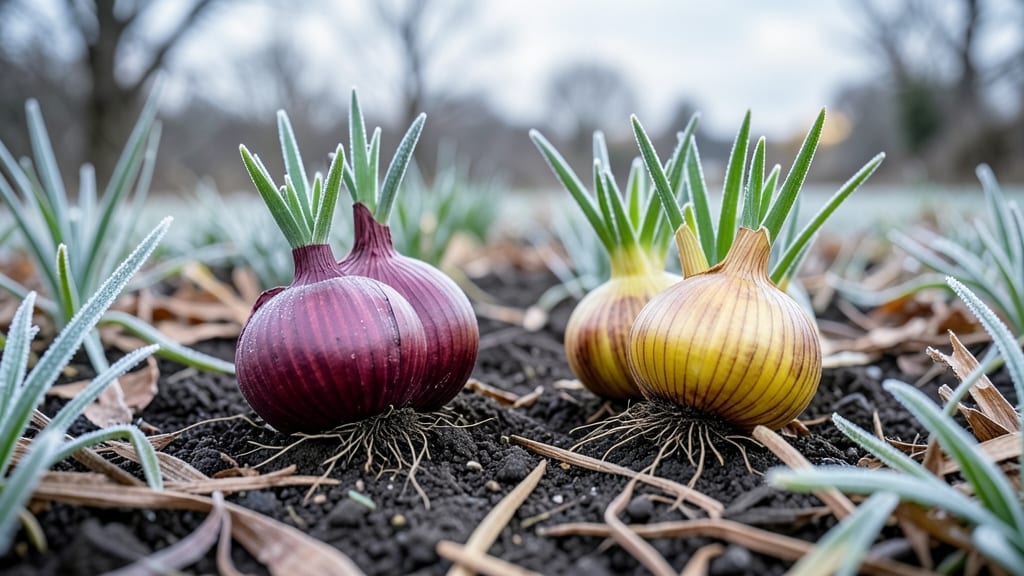
Tired of struggling with onion transplants that fail to thrive? Onion sets like Red Baron and Yellow Stripe solve this problem by planting directly in winter—no transplanting shock, just strong roots ready for spring. These cold-resistant varieties handle northern climates with ease, emerging as sturdy bulbs without the fuss of starting from seed.
Simply push sets into well-drained soil in January or early February, spacing them 4-6 inches apart. They’ll establish roots before spring growth, producing full-sized bulbs by summer. Both varieties are disease-resistant and store well, making them perfect for gardeners who want reliable harvests with minimal effort.
Ideal for beginner gardeners or those with short growing seasons, these sets deliver year-round benefits—fewer pests, no transplanting headaches, and bulbs that mature faster than from seed. 🌱
Lettuce: Winter Density and Arctic King
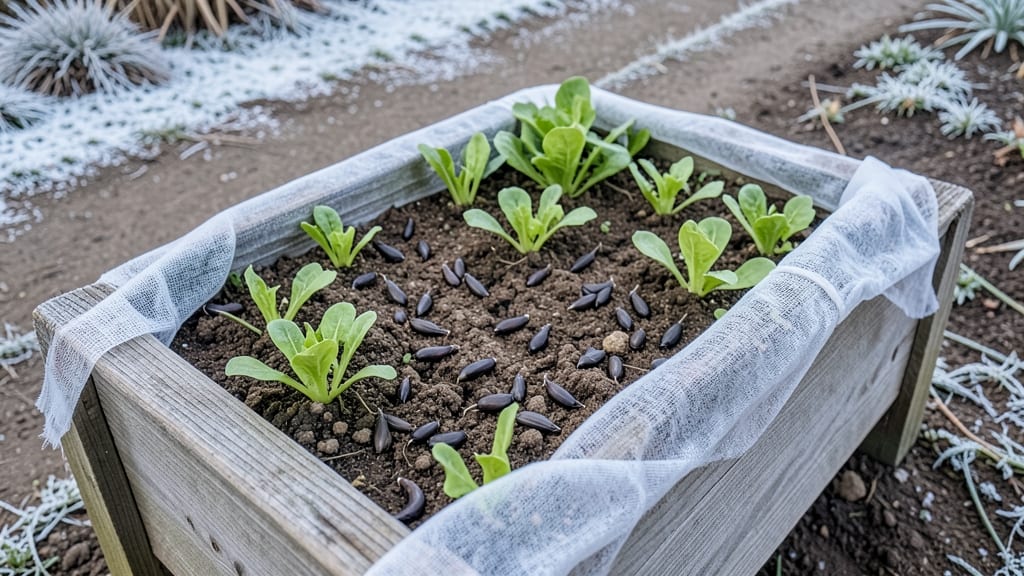
If you crave fresh salads year-round, Winter Density and Arctic King lettuce are your secret weapon. These varieties were developed specifically to withstand light frosts down to 20°F while delivering tender leaves that taste sweeter after a cold snap.
Sow seeds directly in January under protective row covers or in containers on a sunny windowsill. They thrive in partial shade (3-6 hours of sun) and prefer well-draining soil. For continuous harvests, succession plant every 2-3 weeks—you’ll enjoy crisp lettuce from early spring through late fall. These varieties resist bolting, so you won’t sacrifice flavor for heat.
Perfect for urban gardeners with limited space or salad lovers who want homegrown greens without summer heat stress, these lettuces prove winter gardening can be both productive and delicious. 🌱
Swiss Chard: Bright Lights Variety
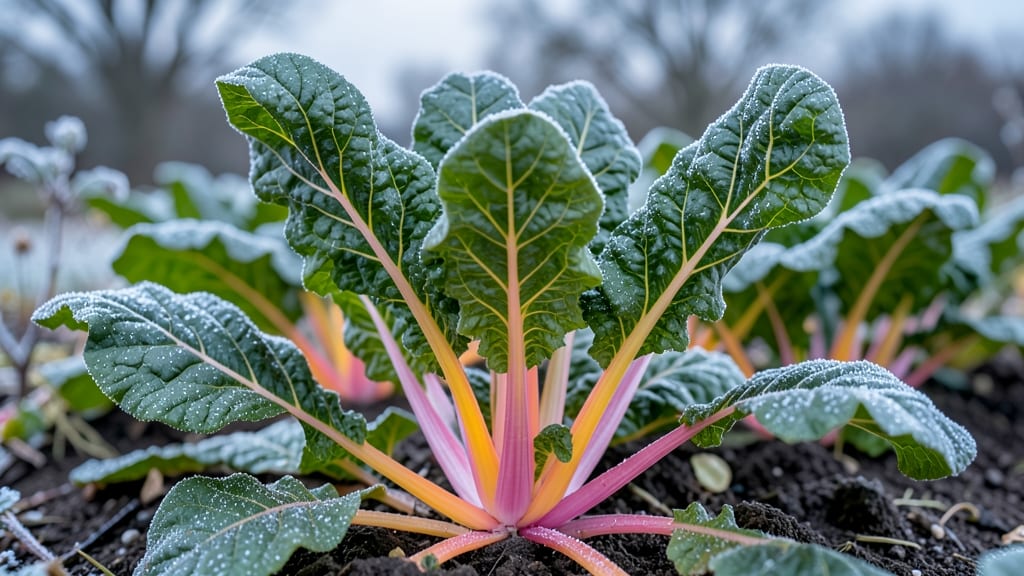
If you're craving a colorful winter garden that also feeds you, Bright Lights Swiss chard is your perfect match. This variety thrives in January's chill, producing vibrant stems in shades of pink, yellow, and orange that brighten up any garden bed—even under frost.
Unlike many winter crops, Swiss chard doesn't bolt or go bitter in cold weather, so you can keep harvesting its tender leaves continuously from early spring through fall. The rainbow stems also make it a standout in ornamental beds, while the leaves pack a nutritious punch with vitamins A, C, and K.
Ideal for gardeners who want both beauty and bounty, Bright Lights Swiss chard is perfect for urban gardeners with limited space or those who love cutting-edge edible landscapes. 🌻
Cress: Curled and Mustard Varieties
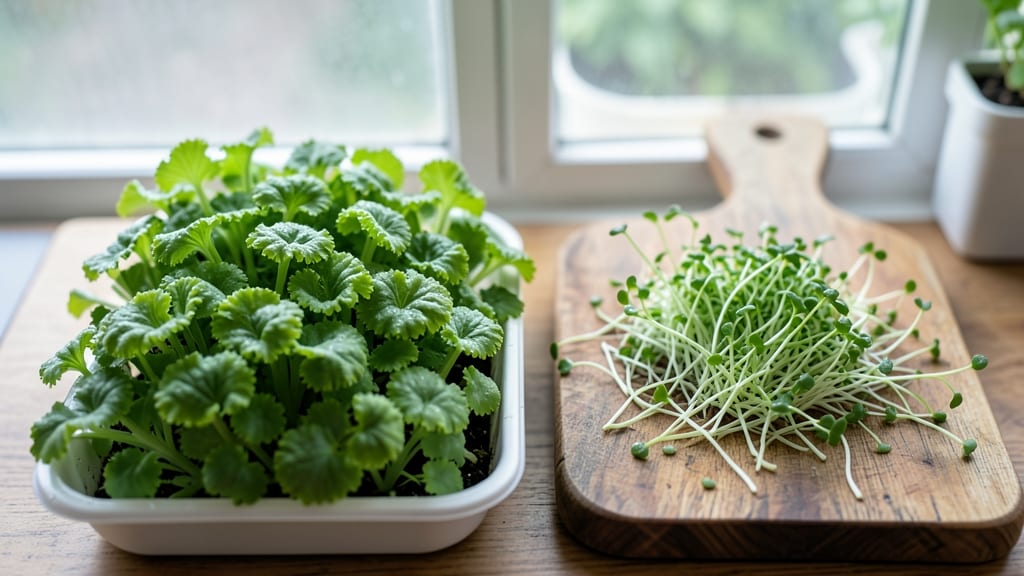
Need a fast, fresh harvest to brighten up winter salads or microgreen trays? Curled and mustard cress deliver in just 7-10 days, making them the ultimate quick-fix for impatient gardeners or urban growers with limited space.
These peppery greens thrive in cool temperatures (40-60°F) and even tolerate partial shade, perfect for windowsills or shaded patios. Simply scatter seeds on damp paper towels or soil—no special equipment needed. Harvest when leaves reach 1-2 inches by snipping with scissors for continuous regrowth.
Ideal for beginner gardeners or those with small spaces, cress adds a peppery kick to sandwiches, soups, or salads while requiring almost zero maintenance. 🌱
Fava Beans: Aquadulce and Windsor

Want a dual-purpose winter crop that feeds both your table and your soil? Fava beans (Vicia faba) like the Aquadulce and Windsor varieties are the ultimate garden multitaskers—producing edible beans and young shoots while fixing nitrogen to enrich your soil naturally.
Sow seeds directly in January (they handle light frost) and enjoy harvests in two ways: tender young shoots for salads and mature beans for stews. Their deep roots break up compacted soil, making them perfect for organic gardeners or permaculture systems. Plant them near heavy feeders like tomatoes or corn to give those plants a nutrient boost.
This cold-hardy legume thrives in poor soil and requires minimal care, making it ideal for sustainable gardeners who want year-round benefits. 🌱