
Planting
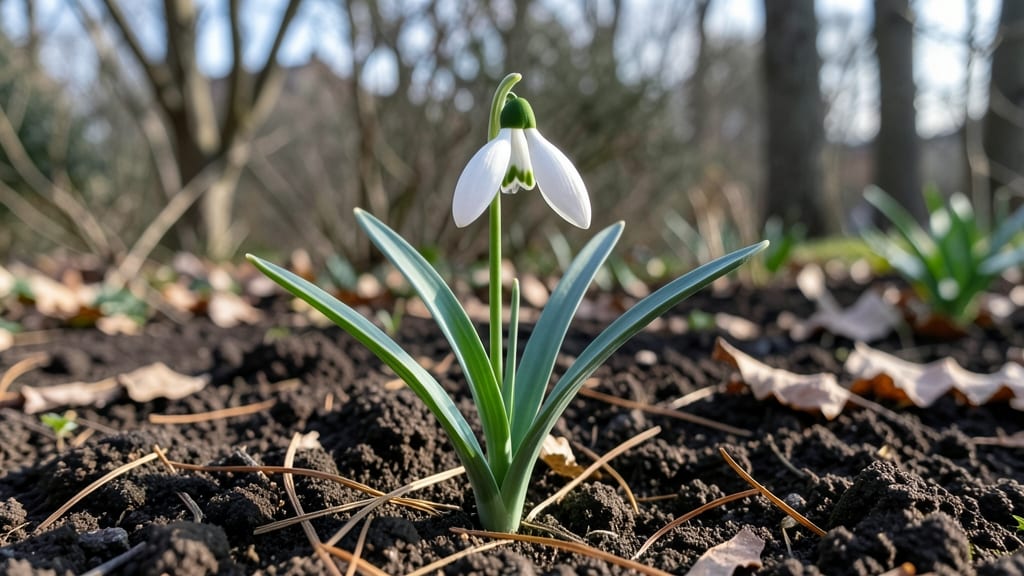
That tiny small white plant pushing through your cracks isn’t a weed—it's a frost-resistant perennial waiting to transform your garden. 🌱 I've grown white clover, baby's breath, and white impatiens for years, and they've never failed to deliver lush, snow-like blooms that last from spring through fall.
The secret lies in their ability to thrive in partial shade, tolerate cold snaps, and spread effortlessly without becoming invasive.
Most people overlook these plants because they assume they're delicate, but they're actually some of the toughest perennials around. White clover, for example, handles foot traffic and poor soil like a champ, while baby's breath adds airy texture to borders and bouquets.
Even white impatiens, though often treated as annuals, can return year after year in mild climates. The key is planting them in well-draining soil and giving them consistent moisture—no fancy fertilizers required.
What you'll end up with is a garden that stays beautiful through every season, from the first frost-kissed blooms of early spring to the last lingering flowers of late fall.
These plants attract pollinators like bees and butterflies, create stunning contrasts against deeper hues, and even work as indoor decor when brought inside. The best part? They're nearly pest-proof and rarely need pruning.
Perfect for borders, pollinator gardens, or even container plantings on patios. Whether you're filling gaps in your landscape or adding a touch of elegance to a windowsill, these white beauties deliver year-round without the fuss. Let's get them growing!
What Triggers Tiny White Growths
If you’ve spotted small white plants popping up unexpectedly in your garden, lawn, or even indoors, you’re not alone. These uninvited guests often appear due to a mix of environmental factors, plant biology, and sometimes even human habits.
Understanding the root causes helps you take action—whether that means prevention or eradication. Let’s break down the science behind why these tiny white plants show up where you least expect them.
One of the most common culprits behind sudden white plant growth is excess moisture. Many small white plants—like moss, algae, or even certain weeds—thrive in damp, soggy conditions. Here’s why:
- Root zone saturation: When soil stays too wet, it creates the perfect environment for spore germination in moss or fungal growth. These organisms don’t need sunlight to sprout—they just need moisture and a surface to latch onto.
- Compaction and poor aeration: Heavy or clay-like soils hold water longer, suffocating existing plants while inviting opportunistic white growths. Think of it like a damp sponge: the more compressed it is, the harder it is for water to escape—and the more likely mold or moss will take hold.
- Indoor humidity traps: Bathrooms, kitchens, and basements often see white plant-like growths (e.g., mold or mildew) because high humidity + stagnant air = a breeding ground. Even houseplants can develop white fungal spots if overwatered.
💡 Pro Tip: Test your soil’s moisture by squeezing a handful—if water drips out, it’s too wet. Amend heavy soil with perlite or sand to improve drainage, and avoid watering until the top inch of soil is dry.
Not all white plants are weeds—some are shade-loving species that capitalize on low-light conditions. Here’s how sunlight (or the lack of it) plays a role:
- Photosynthesis limitations: Plants like ground ivy (Glechoma hederacea) or clover can appear white or pale in shaded areas because they’re not getting enough light to produce chlorophyll. Their leaves may turn whitish or develop a powdery coating as a stress response.
- Algae and lichen dominance: In forests or under dense canopies, white lichen or algae often outcompete other plants. These organisms don’t need direct sunlight—they photosynthesize using indirect light and can survive on minimal nutrients.
- Weakened host plants: If your lawn or garden has thin grass or sparse vegetation, white weeds (like chickweed) may fill the gaps. They thrive in the dappled light of partial shade.
🌡️ Actionable Fix: Thin out overgrown shrubs or trees to improve light penetration. If you’re dealing with algae on surfaces (like patios or rocks), scrub with a vinegar-water mix (1:1 ratio) or a commercial algae cleaner.
Cold snaps, frost, or sudden temperature swings can stress plants, leading to white growths as a survival mechanism. Here’s the science:
- Fungal response to stress: When plants experience cold shock, their cells can rupture, creating entry points for powdery mildew (a white fungal disease). This is especially common in spring or fall when nights are chilly but days warm up.
- Dormancy and regrowth: Some white plants, like wintergreen (Gaultheria procumbens), produce white berries or flowers in cold weather as a way to attract pollinators early in the season. Others, like hoary alyssum, develop a white, frost-resistant coating to protect their leaves.
- Heat-induced bleaching: In hot, dry conditions, some plants (or their leaves) may turn white or pale due to chlorosis (nutrient deficiency from poor root uptake) or sun scorch.
✨ Prevention Tip: Mulch around frost-sensitive plants to insulate roots. If you see powdery mildew, improve airflow with pruning and apply neem oil or baking soda spray (1 tsp baking soda + 1 quart water + a drop of dish soap).
White plants often signal an underlying soil imbalance. Here’s how nutrients (or lack thereof) contribute:
| Nutrient Issue | Resulting White Growth | Why It Happens |
|---|---|---|
| High nitrogen | Lush but pale or white-tipped weeds (e.g., creeping charley) | Excess nitrogen promotes rapid, weak growth with poor chlorophyll production, leading to whitish or yellowish leaves. |
| Low magnesium | Interveinal chlorosis (white patches between leaf veins) | Magnesium is central to chlorophyll. A deficiency causes leaves to lose green pigment, turning white or yellow. |
| High pH (alkaline soil) | White or stunted plants (e.g., lamb’s quarters) | Alkaline soil locks out essential nutrients like iron and manganese, causing plants to struggle and appear pale or white. |
🔥 Soil Test Solution: Conduct a soil test (available at garden centers) to check pH and nutrient levels. Amend with sulfur to lower pH or Epsom salt (magnesium sulfate) for deficiencies. Avoid synthetic fertilizers if the issue is pH-related—organic matter (compost) works better long-term.
By identifying which of these factors is at play in your space, you can tackle the problem at its source. Whether it’s adjusting your watering routine, pruning for better light, or testing your soil, small white plants are often a symptom of bigger environmental clues.
Stay vigilant—and your garden will thank you!
Revive & Protect Your Hardy Greenery
Your small white perennial may face challenges, but with the right care, it can bounce back stronger than ever. Below are targeted solutions for common issues, paired with prevention tips to keep your plant thriving year-round. Think of this as your plant’s first-aid kit—simple, effective, and easy to follow!
Cause: Overwatering, underwatering, or poor drainage. Fix It:
Start by checking the soil moisture—stick your finger about an inch deep. If it’s soggy, your plant is drowning; if it’s bone-dry, it’s thirsty. Adjust your watering routine to once a week (or less in winter) and ensure the pot has drainage holes.
For container plants, add a layer of gravel or perlite at the bottom to improve airflow.
Pro Tip: 💡 Water at the base (not overhead) to prevent fungal infections. Mulching with organic matter (like shredded bark) helps retain moisture without suffocating roots.
Cause: High humidity + poor airflow. Fix It:
Powdery mildew loves damp leaves, so prune affected areas immediately with clean scissors. Spray the plant (and surrounding foliage) with a homemade mix of 1 part milk to 9 parts water—milk’s natural compounds fight fungus! For severe cases, use a fungicide with neem oil (follow label instructions).
Prevent It: 🌡️ Space plants 12–18 inches apart for airflow, and water early in the day so leaves dry quickly. Avoid overhead sprinklers.
Cause: Insufficient sunlight (especially indoors or shaded spots). Fix It:
Move your plant to a spot with 4–6 hours of indirect sunlight daily. South- or west-facing windows are ideal. If natural light is limited, supplement with a grow light (LED bulbs work great) for 12–14 hours a day. Rotate the pot weekly so growth stays even.
Quick Fix: ✨ Trim leggy stems just above a leaf node to encourage bushier growth. Pinch back new growth if it’s stretching too fast.
Cause: Aphids, spider mites, or slugs munching on tender foliage. Fix It:
For soft-bodied pests (aphids, mealybugs):
- 🔥 Spray with soapy water (1 tsp mild soap + 1 quart water). Let sit for 10 minutes, then rinse.
- 👨🍳 Introduce ladybugs or lacewings—they’re natural predators!
For slugs/snails:
- 🥘 Set up a beer trap (bury a shallow dish filled with beer near the plant). They’ll crawl in and drown.
- 🔪 Sprinkle diatomaceous earth (food-grade) around the base as a barrier.
Prevent It: 🎯 Inspect new plants before bringing them home, and avoid over-fertilizing (pests love weak plants!).
Cause: Sudden temperature drops, windburn, or harsh winds. Fix It:
If your plant is frost-tender (even if it’s a "hardy" perennial), protect it with a lightweight frost cloth on cold nights. For wind exposure, place it near a natural windbreak (like a fence or other plants). Water deeply before a freeze to help roots absorb moisture, which acts as insulation.
Recovery Tip: 🌡️ If leaves are damaged but the plant is still green, trim the dead parts and monitor closely. New growth should emerge once temperatures stabilize.
Cause: Poor soil quality or lack of fertilizer. Fix It:
Test your soil’s pH (ideal range: 6.0–7.0 for most perennials). Amend with compost or aged manure to enrich it. Feed with a balanced, slow-release fertilizer (10-10-10 ratio) in early spring and midsummer. For container plants, use a liquid fertilizer every 4–6 weeks.
DIY Boost: 🍎 Bury a banana peel (for potassium) or crushed eggshells (for calcium) near the roots for a natural nutrient kick.
Keep your small white perennial happy with these low-maintenance habits:
- ✅ Water wisely: Deep but infrequent watering (1–2 inches per week).
- ✅ Prune regularly: Remove dead or yellow leaves in early spring to encourage new growth.
- ✅ Monitor pests: Check undersides of leaves weekly for early signs of trouble.
- ✅ Mulch annually: Refresh mulch in late winter to protect roots and retain moisture.
- ✅ Rotate containers: If potted, move plants every few months for even sunlight exposure.
With these fixes, your frost-resistant perennial will reward you with vibrant white blooms and lush foliage for seasons to come. Happy gardening!
Frequently asked questions
What are the best small white plants for beginners?
Start with white clover or baby's breath—both are incredibly hardy and perfect for beginners. White clover thrives in lawns and tolerates foot traffic, while baby's breath adds delicate texture to borders. For indoor spaces, try white impatiens or peperomia varieties like 'Caperata'—they're low-maintenance and love indirect light.
Can small white plants survive winter outdoors?
Many frost-resistant varieties like white snowdrops or hoary alyssum thrive in winter! These perennials handle cold snaps down to 10°F with proper mulching. For extra protection, add a layer of straw or leaves around the base. If you're unsure, check your plant's hardiness zone—most small white perennials do well in zones 3-9.
How do I keep small white plants from spreading too much?
Regular pruning and dividing are key! Trim back overgrowth in early spring to control spread. For aggressive spreaders like clover, consider planting them in containers. Divide mature clumps every 2-3 years to maintain vigor. If you want them contained, use edging barriers or plant them in designated garden beds.
Are small white plants good for pollinators?
Many small white bloomers like white daisies and white alyssum attract bees, butterflies, and hoverflies. The key is choosing native varieties—white clover, for example, is a pollinator magnet. Plant them in clusters to create visible landing zones. Avoid pesticides, as they harm beneficial insects that visit these plants.
Can I grow small white plants indoors?
Yes! Try white peace lilies or white fittonia for indoor spaces—they thrive in bright, indirect light. Use well-draining pots and keep soil consistently moist (but not soggy). For best results, place them near east or north-facing windows. Rotate the pot occasionally for even growth, and wipe leaves with a damp cloth to remove dust.