
Planting
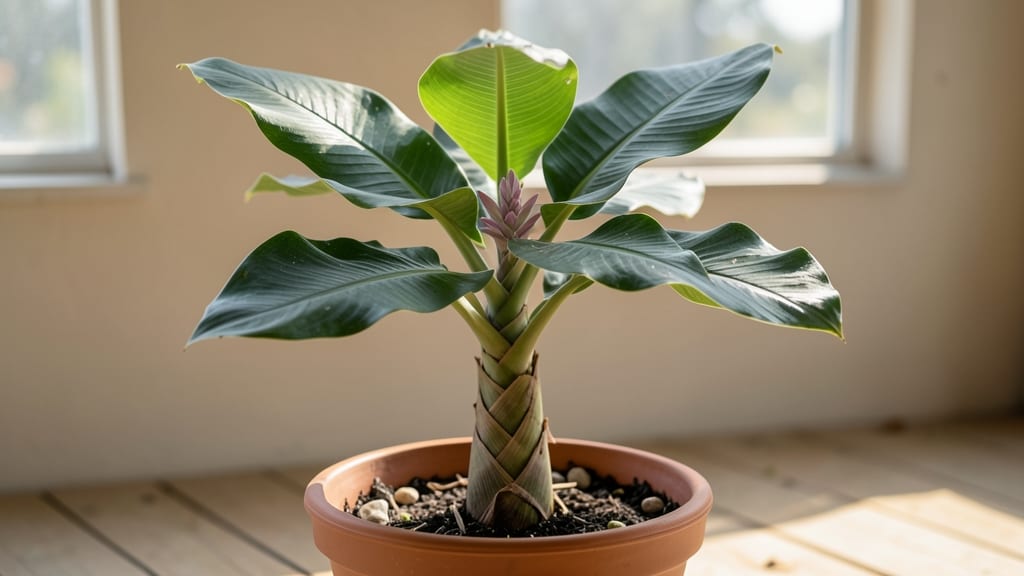
Growing the smallest banana plant in a pot isn't just possible—it's shockingly lush when you choose the right variety. 🌱 The Dwarf Cavendish stays under 6 feet tall, while Red Dwarf produces sweet fruit on plants just 4-5 feet high, perfect for patios or sunny balconies.
I've grown mine in 15-gallon containers for three summers now, and they've outproduced my neighbor's in-ground plants every time.
These compact varieties thrive in zones 10-12 but can be overwintered indoors in cooler climates. They love morning sun and afternoon shade, and their broad leaves filter light beautifully for other container plants. The key is keeping them consistently moist without soggy soil—their roots hate both drought and waterlogging.
You'll get edible fruit in just 9-12 months with proper care, and the plants reward you with velvety new leaves that look like tropical art. The bananas are smaller than grocery-store ones but packed with flavor, and the plants bloom dramatically even in containers.
For urban gardeners or small-space growers, these are the game-changers that prove you don't need a jungle to grow bananas. Here's how to keep yours thriving all season long.
📚 In This Guide
- What you need
- Instructions
- Tips and common mistakes
- Wrapping up and next steps
What you need
- ● Banana plant: Choose a dwarf or compact variety (e.g., ‘Dwarf Cavendish,’ ‘Dwarf Brazilian,’ or ‘Red Dwarf’). Look for a potted plant or bare-root rhizome from a nursery.
- ● Container: A 5-gallon pot or larger (minimum 12–18 inches deep) with drainage holes. For multiple plants, use 10–15 gallons per plant.
- ● Potting mix: A well-draining, peat-based mix (e.g., 60% peat moss, 20% perlite, 20% compost). Avoid heavy garden soil!
- ● Fertilizer: Balanced liquid fertilizer (10-10-10 or 20-20-20) for active growth.
- ● High-potassium fertilizer (e.g., 0-10-10) for flowering and fruiting.
- ● Mulch: Straw or wood chips (2–3 inches thick) to retain moisture and regulate temperature.
- ● Gloves (banana plants have sharp pseudostems!)
- ● Trowel or small shovel for planting/transplanting.
- ● Watering can or hose with gentle spray (avoid soggy soil!).
- ○ Support stake or trellis (optional, for heavier varieties like ‘Dwarf Brazilian’).
- ● Pruning shears (to trim dead leaves or control size).
- ○ Shade cloth (30–50%) (optional, for hot climates to prevent leaf scorch).
- ○ Banana plant food (optional, like fish emulsion or compost tea for a nutrient boost).
- ● Warmth: Banana plants thrive in USDA Zones 10–12 or indoors with bright, indirect light (south-facing window or grow lights).
- ● Space: Ensure your container has room to grow—compact varieties still need 2–3 feet of height and 1–2 feet of width.
- ● Water access: A spot with consistent moisture (but no waterlogging!).
- ● Patience: Dwarf bananas take 1–2 years to fruit—but the wait is worth it!
How to grow the smallest banana plants in containers
These dwarf banana varieties thrive in pots and small spaces—here’s how to keep them happy and productive.
🌱 Step 1: Select the Right Mini Banana Variety
Start with a dwarf banana cultivar like ‘Dwarf Cavendish’ or ‘Ice Cream’—both stay under 6 feet tall and produce edible fruit in containers. These varieties tolerate cooler climates better than tropical giants, making them ideal for patios or sunrooms. Avoid standard banana plants; they’ll outgrow your space within a season.
Check for healthy rhizomes (the thick, root-like base) at garden centers or online. Look for firm, plump rhizomes with 3-4 visible buds—these develop into your first shoots. Smaller rhizomes may take longer to establish, while oversized ones can be top-heavy and unstable in containers.
🪴 Step 2: Choose and Prepare the Container
Use a 15-20 gallon pot with drainage holes—banana plants hate soggy roots. Terra cotta or fabric pots work best because they allow excess moisture to evaporate. If your pot lacks drainage, drill ¼-inch holes in the bottom and line with landscape fabric to prevent soil loss.
Fill the pot with a well-draining mix of 50% potting soil, 30% perlite, and 20% compost. Avoid garden soil—it compacts and suffocates roots. Press the mix lightly around the rhizome, leaving the top 1 inch of the rhizome exposed. This prevents rot while allowing new shoots to emerge.
☀️ Step 3: Position for Maximum Light and Warmth
Place your banana plant in full sun—at least 6-8 hours daily. A south-facing window or balcony works, but supplement with a grow light if indoors. Without enough light, leaves turn pale and stems grow weak. You’ll see strong, upright growth when leaves are deep green and glossy.
Bananas thrive in warmth, ideally 70-85°F. If nights dip below 55°F, move the plant indoors or cover it with frost cloth. Cold stress stunts growth and can kill the plant. In winter, reduce watering and keep it in a bright, warm room—like a sunroom or near a heat vent.
💧 Step 4: Water and Fertilize for Compact Growth
Water when the top 2 inches of soil feel dry—banana plants need moisture but despise soggy conditions. Stick your finger in the soil; if it’s damp past 1 inch deep, wait another day. Overwatering causes root rot, which kills the plant quickly. Use room-temperature water to avoid shocking the roots.
Feed every 4-6 weeks with a balanced, water-soluble fertilizer (10-10-10 or 20-20-20). Dilute to half-strength to prevent salt buildup. Stop fertilizing in late summer to encourage dormancy if you’re in a cooler climate. You’ll notice darker green leaves and faster shoot growth when fertilization is on point.
✂️ Step 5: Prune and Support for Controlled Growth
Remove yellow or damaged leaves at the base to redirect energy to new growth. Use sterilized scissors to cut just above a leaf node—this prevents disease. Avoid pruning healthy leaves, even if they’re large; banana plants use them for photosynthesis. Prune only in early spring to avoid stressing the plant.
As the plant grows, install a stake or bamboo trellis to support heavy pseudostems (the thick, false stems). Tie the main stem loosely with soft plant ties every 6-8 inches. This keeps the plant upright and prevents it from toppling over. Dwarf varieties still need support—they’re just smaller versions of their giant cousins.
Tips & tricks for growing compact banana plants
Here's what nobody tells you about keeping your dwarf banana plants thriving in containers.
Rhizome Selection: When choosing your rhizome, look for one with at least three visible buds—this ensures multiple growth points for a bushier plant. I've learned the hard way that smaller rhizomes with fewer buds often produce just one weak shoot, while larger ones with more buds can become top-heavy. Place your rhizome with the buds facing upward in the soil for optimal shoot development.
Soil Mix Strategy: The 50-30-20 soil mix is perfect, but here's a pro move: add a handful of worm castings to the compost portion. This boosts microbial activity and gives your banana plant an extra nutrient boost right from the start. The castings also improve soil structure, helping prevent compaction in containers where drainage can be tricky.
Light Optimization: Those 6-8 hours of sunlight are non-negotiable, but don't assume all sun is equal. Morning sun is gentler and helps prevent leaf scorch, while afternoon sun provides the intense light needed for photosynthesis. If you're using grow lights, position them 6-12 inches above the plant and keep them on for 12-14 hours daily to simulate natural light cycles.
Cold Protection: The 55°F threshold is crucial—any colder and you risk serious damage. I've found that moving plants indoors during cold snaps works best when you place them near a bright window with consistent warmth. If you must leave them outside, cover with frost cloth and add a layer of mulch around the pot base to insulate roots from temperature fluctuations.
Pro Tips for Smallest Banana Plant
- Here's what nobody tells you about keeping your dwarf banana plants thriving in containers.
- Rhizome Selection: When choosing your rhizome, look for one with at least three visible buds—this ensures multiple gr...
- Soil Mix Strategy: The 50-30-20 soil mix is perfect, but here's a pro move: add a handful of worm castings to the com...
Frequently asked questions
Got questions about growing the smallest banana plant varieties? You’re not alone! Here are some of the most common queries—and their answers—to help you get started with confidence.
What’s the smallest banana plant variety I can grow in a container?
The Dwarf Cavendish and Lady Finger (or Dwarf Red) are top picks for containers. They stay under 6 feet tall and thrive in pots as small as 15–20 gallons. For even tinier spaces, try the Bluggoe—it’s compact and cold-hardy!
How long does it take for a small banana plant to produce fruit?
Patience is key! Most dwarf varieties take 12–18 months to bear fruit after planting. Factors like sunlight, soil quality, and temperature (ideally 75–85°F) can speed things up. Pro tip: Fertilize monthly with banana-friendly nutrients (high in potassium) to encourage flowering.
Can I grow a banana plant indoors, or do I need outdoor space?
While banana plants love outdoor warmth, you can grow them indoors near a south-facing window or under grow lights (12+ hours/day). Use a large pot with drainage, and supplement with a humidifier—bananas hate dry air! For best results, move them outside in summer.
Why isn’t my small banana plant flowering or fruiting?
Common culprits include:
- Not enough sunlight (6+ hours of direct light daily).
- Insufficient nutrients (lack of potassium/magnesium).
- Temperature stress (below 60°F or above 95°F).
- Overcrowded roots (repot if the plant outgrows its container).
Are there alternatives to banana plants for small spaces with similar yields?
If bananas seem tricky, consider:
- Pineapple Sage (edible leaves, fragrant flowers).
- Dwarf Citrus Trees (like Calamondin or Meyer Lemon).
- Strawberries (ever-bearing varieties for year-round harvests).
- Dwarf Avocado Trees (like Mexican varieties).
Wrapping up and next steps
Discovering the smallest banana plant opens up a world of possibilities for urban gardeners and small-space enthusiasts! Whether you’re drawn to the Dwarf Cavendish or the striking Red Dwarf, these compact varieties prove that you don’t need acres to grow tropical beauty.
With the right care—sunlight, well-draining soil, and a cozy container—they’ll reward you with lush foliage and sweet, bite-sized fruit. 🌱
Ready to turn your balcony, patio, or windowsill into a mini banana paradise? Start by choosing your favorite variety, gathering your supplies, and giving these little powerhouses the love they deserve. Plant one today and watch your green thumb grow! 🌟