
Planting
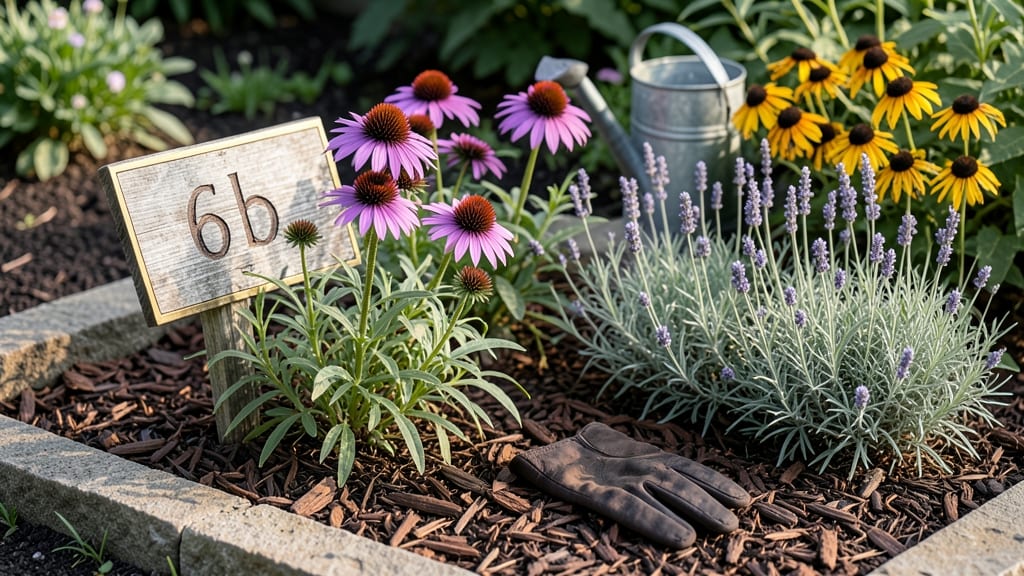
Step in the zone means planting seeds or bulbs at the correct depth based on their root needs and soil type, ensuring proper germination and growth without over- or under-burying them.
This concept focuses on matching planting depth to soil conditions and plant biology.
Different soils—like sandy, clay, or loam—hold moisture and oxygen differently, which directly affects how deep you should plant. 🌱 For example, sandy soil drains quickly, so seeds need shallower placement to stay moist, while clay retains water longer, allowing slightly deeper planting.
Understanding these relationships helps you avoid common mistakes like burying seeds too deep, which can prevent germination, or planting bulbs too shallow, which exposes them to temperature swings. The key is balancing moisture, oxygen, and root space for each plant type.
Most gardeners overlook how soil type changes the rules for depth. A shallow-rooted herb like basil thrives just ¼ inch below soil in loam, while a deep-rooted perennial like peonies needs 2-3 inches of coverage.
Using a simple ruler or your finger as a guide lets you adjust on the fly—just match the depth to the plant's mature root length. For bulbs, the rule of thumb is planting twice as deep as the bulb's diameter, but that changes if your soil is dense or rocky.
💡 In This Article
- How Soil Type Affects Planting Depth for Seeds and Bulbs
- Planting Depth Rules by Seed and Bulb Type
How soil type affects planting depth for seeds and bulbs
The science behind "stepping in the zone" starts with soil composition. Sandy soil has large particles that drain water quickly, so seeds need to sit just ¼ to ½ inch below the surface to stay moist.
The loose texture also lets oxygen flow freely, which is crucial for early root growth. In contrast, clay soil holds moisture tightly but suffocates roots with poor drainage—planting seeds ½ to 1 inch deeper helps balance water retention and air circulation.
Loam, the ideal middle ground, combines sand, silt, and clay for balanced moisture and nutrients. Here, most seeds thrive at 2-3 times their diameter deep, like marigold seeds (¼ inch) or tomato seeds (½ inch).
Bulbs face different challenges: in sandy soil, their moisture-sensitive bases need 1-2 inches of coverage, while clay soil can handle 2-3 inches without rot risk. The key is adjusting depth to match how each soil type interacts with water and air.
Think of soil like a sponge—sandy soil is a thin, fast-drying sponge, while clay is thick and slow to drain. Your planting depth must compensate for these extremes.
For example, a petunia seed planted ¼ inch deep in sandy soil may dry out before sprouting, but the same seed in clay could rot if buried deeper than ½ inch. 🌱 The solution?
Test your soil's moisture retention by squeezing a handful—if it crumbles easily, it's sandy; if it sticks together, it's clay.
Root development also varies by soil type. In loose, airy sand, roots spread horizontally to find stability, while clay encourages deeper, vertical growth.
This means shallow-rooted plants like lettuce need ¼ inch coverage in any soil, but deep-rooted dandelions can handle 1 inch in clay but only ½ inch in sand. The rule? Match depth to the plant's mature root length, then adjust 10-20% deeper for clay and 10-20% shallower for sand.
Even organic matter changes the equation. Amended soil with compost acts like loam, so depth guidelines shift. For instance, a zinnia seed planted ½ inch deep in compost-amended clay may germinate faster than one buried ¾ inch in unamended soil.
Always consider your soil's amendments when calculating depth—more organic matter means slightly deeper planting for moisture consistency.
Pro tip: Use your finger as a depth guide. A little finger joint (~½ inch) works for most seeds, while a thumb knuckle (~1 inch) fits bulbs.
For precision, mark a small stick with depth lines tailored to your soil type. This visual cue eliminates guesswork and ensures every plant gets its perfect planting depth.