
Planting
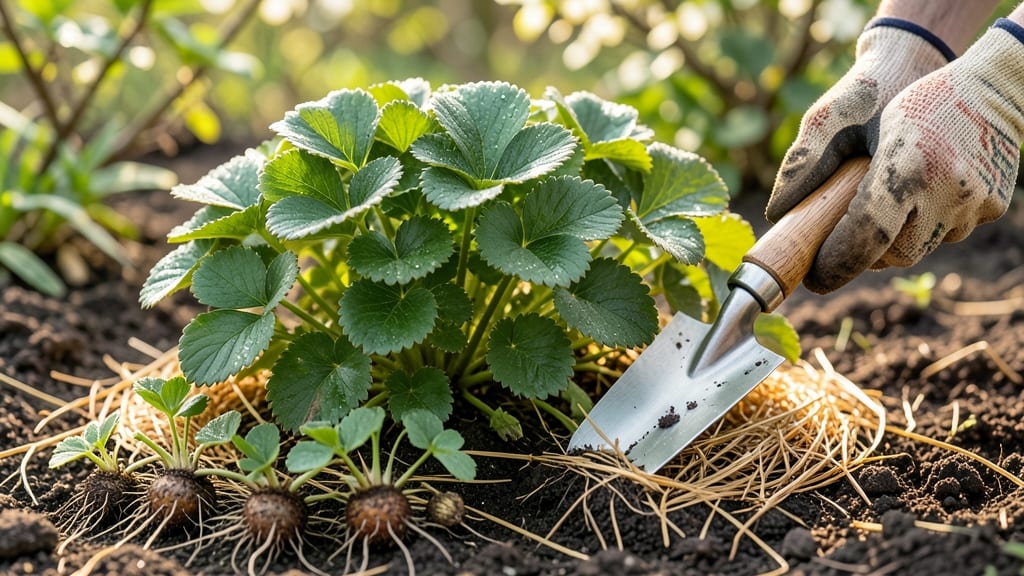
Sowing strawberries at the right time ensures strong, productive plants 🍓—and missing that window can mean weak seedlings or no harvest at all.
Timing your strawberry sowing perfectly can mean the difference between thriving plants and wasted seeds—especially when climate zones dictate when to plant for optimal germination.
In USDA Zone 6a, like much of the Midwest, the ideal window is March to April, but cooler regions or high-altitude gardens may need to start seeds indoors as early as February.
Why does timing matter so much? Strawberries are frost-sensitive, and planting too early risks cold damage, while sowing too late cuts short the growing season. Plus, daylight length plays a role—longer days in spring trigger faster growth, but too much heat can stress young plants.
In this guide, I’ll break down the best sowing times by zone, whether to use seeds or runners, and how to prep soil for perfect germination. You’ll also learn how to adjust for early or late harvests and avoid common mistakes that kill seedlings before they even sprout.
Best strawberry sowing time by USDA climate Zone
Strawberries thrive when planted at the right time—too early and frost will kill tender seedlings, too late and you miss the growing season. Since USDA climate zones define temperature ranges, your local zone determines the perfect strawberry sowing window.
Whether you're starting seeds indoors or planting transplants outdoors, timing ensures strong germination and abundant harvests.
Most gardeners plant strawberries in early spring or late summer/fall, but the exact timing shifts by zone. For example, Zone 5 gardeners avoid spring planting due to late frosts, while Zone 10 can sow year-round.
Let’s break down the ideal indoor seed-starting and outdoor transplanting windows by zone to maximize success.
Below is a quick-reference table for strawberry sowing times by USDA zone, including frost risk considerations and whether to start seeds indoors or plant transplants directly.
| USDA Zone | Indoor Seed Start (Weeks Before Last Frost) | Outdoor Transplant Window | Frost Risk | Notes |
|---|---|---|---|---|
| Zones 3-4 | 8-10 weeks before last frost (Feb-March) | Late April to early May | High frost risk until May | Use row covers for early planting |
| Zones 5-6 | 6-8 weeks before last frost (March) | Mid-April to mid-May | Moderate frost risk until late April | Avoid fall planting in Zone 5 |
| Zones 7-8 | 4-6 weeks before last frost (March-April) | Early April to early May | Low frost risk after March | Fall planting possible in Zone 8 (Aug-Sept) |
| Zones 9-10 | Not recommended (use transplants) | Year-round, avoid summer heat | No frost risk | Plant in partial shade in summer |
For Zones 3-4, where winters are harsh, I recommend starting seeds indoors in February to give them a head start. Transplant outdoors only after the soil temperature reaches 40°F and the last frost date has passed.
Use row covers if early planting is tempting—they protect seedlings from unexpected cold snaps.
In Zones 5-6, where frosts linger until late April, I plant transplants in mid-April to avoid early-season risks. If you’re sowing seeds indoors, begin in March for a 6-8 week growth period before transplanting.
Fall planting is risky in Zone 5 due to early frosts, but Zone 6 can attempt late summer sowing for a second harvest.
Gardeners in Zones 7-8 enjoy more flexibility—planting in early April or even late August for fall-bearing varieties. Zone 8 can push fall planting into September, but avoid sowing after October 1st to allow roots to establish before winter. Mulch heavily to insulate plants from temperature swings.
In Zones 9-10, strawberries grow year-round, but I avoid summer planting due to heat stress. Instead, plant transplants in early spring or fall, providing afternoon shade during peak summer months. Soil never drops below 50°F, so frost isn’t a concern—just watch for pests like slugs.
Pro tip: Check your last frost date (find it via the USDA Plant Hardiness Zone Map) and count backward to determine your indoor seed-starting window. For example, if your last frost is April 15th, start seeds 6-8 weeks prior (around February 28th) for Zones 5-6.
Adjust for your zone using the table above.
Remember, soil temperature matters more than air temperature. Strawberry seeds need soil at 70-75°F to germinate, while transplants tolerate cooler soil (40°F+). Use a soil thermometer to confirm readiness—planting too early in cold soil delays growth and invites disease.
🌱
How to adjust strawberry sowing time for early vs. late harvests
Want to enjoy strawberries all season long? Adjusting your sowing time is the secret to extending harvests. By strategically planting, you can create early spring and late fall crops that keep your garden productive. The key lies in understanding how temperature shifts and daylight changes affect germination and growth.
For early harvests, start seeds indoors 8-10 weeks before your last frost date. This gives seedlings a head start, so they're ready to transplant as soon as soil warms.
Meanwhile, late harvests rely on succession planting or fall sowing—methods that trick plants into producing fruit before winter sets in.
- 🌱 Start seeds indoors (8-10 weeks before last frost) for early harvests—transplant when soil reaches 45°F+.
- 🌿 Use row covers in late fall to protect seedlings and extend the growing season by 4-6 weeks.
- ❄️ Overwinter transplants in Zone 5-8 by mulching heavily (6+ inches) and covering with straw or burlap.
- 📅 Succession plant every 2-3 weeks in spring for staggered harvests—ideal for June-bearing varieties.
- ☀️ Extend daylight with grow lights (14+ hours) to jumpstart spring germination in cooler climates.
One of my favorite tricks is using row covers to manipulate germination timing. In Zone 6-7, I plant everbearing strawberries in late summer (August-September) and cover them with floating row covers.
This protects tender seedlings from early frosts while letting them grow strong enough to fruit the following spring.
For late harvests, focus on fall planting in Zone 4-6. Choose day-neutral varieties like 'Albion' or 'Seascape,' which produce fruit regardless of daylight. Plant them in late summer (July-August) so they establish roots before winter. Mulch heavily to insulate roots and prevent freeze-thaw damage.
Don’t forget that soil temperature is just as critical as air temperature. Strawberries germinate best when soil is between 60°F-70°F. In cooler zones, use black plastic mulch or heat mats to warm soil faster. This lets you plant 2-3 weeks earlier than usual, giving you an earlier harvest window.
By combining these strategies, I’ve extended my strawberry harvest from 4 weeks to nearly 6 months! Start with one method—like indoor seeding or row covers—and experiment to see what works best in your climate. Your taste buds (and neighbors!) will thank you. 🍓