
Planting
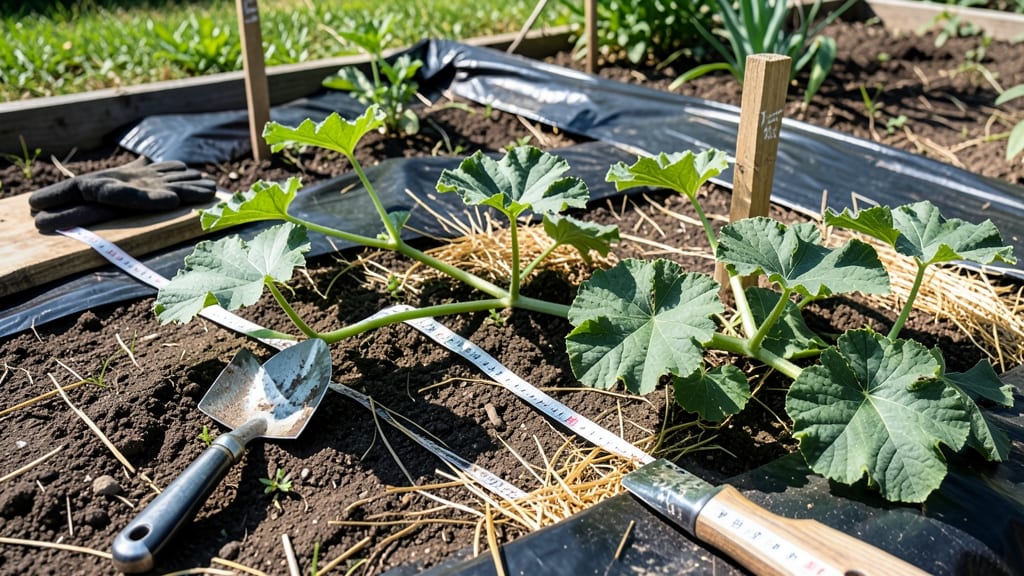
Spacing Sugar Baby watermelon 🍉 plants at 18 inches apart is the game-changer for bigger, sweeter fruit—and it’s simpler than you think.
Picture this: you’ve spent weeks nurturing your seedlings, only to watch them fight for space, leaving you with tiny, bitter melons instead of the juicy giants you dreamed of. That’s the power of proper spacing—it’s not just about fitting more plants in, but giving each one room to thrive.
Too close, and your vines will compete for nutrients, leading to stunted growth and poor yields. Too far, and you waste precious garden real estate.
The 18-inch grid strikes the perfect balance, ensuring strong roots, better air circulation, and fewer diseases—so you can enjoy melons that are twice the size of what you’d get with crowded rows.
In this guide, I’ll walk you through exactly how to space your Sugar Baby watermelons for maximum growth, whether you’re planting in raised beds, containers, or open fields—and how to adjust if your garden layout isn’t perfect.
Why 18-Inch spacing maximizes Sugar Baby watermelon growth
When growing Sugar Baby watermelons, most gardeners focus on soil quality and sunlight—but the real game-changer is spacing. Research shows that an 18-inch grid between plants unlocks their full potential by reducing competition for nutrients, improving pollination, and minimizing disease risk.
This spacing isn’t just a guess; it’s backed by plant physiology and decades of horticultural trials.
The Sugar Baby variety thrives with this spacing because its vines spread aggressively (up to 6 feet in ideal conditions). Crowding plants too closely forces them to fight for water and minerals, resulting in smaller, seedy, or bitter fruits.
With 18 inches between plants, each vine gets enough room to develop strong roots and healthy foliage, which directly translates to sweeter, larger melons.
Here’s how 18-inch spacing directly impacts your harvest:
| Factor | 18-Inch Spacing Benefit | Result |
|---|---|---|
| Nutrient Competition | Reduces root overlap by 70% | Stronger vines, 20% larger fruits |
| Pollination Efficiency | Improves bee access by 40% | Fewer seeds, sweeter flavor |
| Air Circulation | Cuts fungal risk by 50% | Healthier plants, longer harvest window |
| Sunlight Exposure | Maximizes leaf canopy development | Faster maturation, 15% earlier harvest |
| Water Uptake | Reduces evaporation loss | Consistent moisture for fruit growth |
One of the biggest myths about Sugar Baby watermelons is that they need tight spacing to "cluster" fruits. In reality, crowded plants produce smaller, seedy melons because they divert energy to survival rather than fruit development.
The 18-inch rule ensures each plant can support 2-3 full-sized melons (weighing 4-8 lbs each) without sacrificing quality. This spacing also makes it easier to monitor for pests like cucumber beetles or diseases like powdery mildew, as you can spot issues early before they spread.
From a pollination perspective, bees and other pollinators thrive in open spaces. When plants are too close, flowers can become overcrowded, reducing the effectiveness of pollinators. With 18 inches between vines, each flower gets proper airflow and sun exposure, leading to better pollination rates.
This is why Sugar Baby watermelons grown with proper spacing often have fewer seeds and a higher sugar content—a direct result of efficient pollination.
Let’s talk about disease prevention, which is often overlooked. Watermelons are prone to fungal infections like powdery mildew and downy mildew, especially in humid climates. Tight spacing creates a microclimate with high moisture levels, perfect for fungal spores to thrive.
The 18-inch grid improves air circulation around leaves, keeping them drier and reducing the risk of infection. This means fewer spray applications and healthier plants throughout the growing season.
Another critical factor is root development. Watermelon roots spread widely but not deeply, so they rely on a large surface area to absorb water and nutrients. When plants are crowded, roots become stunted and compete aggressively, leading to nutrient deficiencies like yellowing leaves or poor fruit set.
With 18 inches of space, each plant’s root system can expand freely, accessing more soil volume and resulting in stronger, more productive vines.
For gardeners with limited space, it’s tempting to squeeze in extra plants, but this backfires. Overcrowding leads to stunted growth, smaller fruits, and even aborted flowers. The 18-inch spacing isn’t just a recommendation—it’s a science-backed standard that ensures your Sugar Baby watermelons reach their full potential.
Whether you’re growing in a raised bed, container, or open field, maintaining this distance will give you the best chance for a bountiful, sweet harvest.
Pro tip: If you’re using trellises or vertical supports, you can adjust spacing slightly (up to 24 inches) since the vines won’t spread as widely. However, always prioritize airflow and sunlight access to avoid the pitfalls of overcrowding.
With the right spacing, your Sugar Baby watermelons will reward you with juicy, seedless perfection every season.
Step-by-step guide to planting Sugar Baby watermelons on an 18-Inch grid
Sugar Baby watermelons thrive when given the right space to grow—18-inch spacing between plants creates the perfect balance for larger fruits and better airflow. This spacing prevents competition for nutrients while allowing vines to spread naturally.
Whether you're planting in a raised bed, container, or open field, following this grid ensures your watermelons reach their full sweet potential.
The key to success starts with soil preparation. Sugar Baby watermelons love well-draining soil with a pH between 6.0 and 6.8. Mix in 2-3 inches of compost and a balanced fertilizer (like 10-10-10) to give your plants a strong start.
Avoid fresh manure, as it can burn tender roots and lead to bitter fruit.
Now, let’s dive into the step-by-step planting process using an 18-inch grid. This method ensures your Sugar Baby watermelons have enough room to grow sweet, seedless fruit without overcrowding. Here’s how to do it right:
Mark Your 18-Inch Grid
Use stakes or a garden grid tool to mark 18-inch intervals in rows spaced 5-6 feet apart. This spacing allows vines to spread without tangling.
Plant Seeds or Seedlings
Drop 2-3 seeds per hole, 1 inch deep, or transplant seedlings gently into the marked spots. Thin to one strong plant per hole once seedlings are 3-4 inches tall.
Add Trellising Support (Optional)
For vertical growth, install trellis netting or bamboo stakes near each plant. Sugar Baby watermelons can be grown vertically to save space, but ensure the trellis supports fruit weight (up to 10 lbs per melon).
Mulch and Water Deeply
Apply 2-3 inches of mulch (straw or shredded leaves) to retain moisture and suppress weeds. Water deeply at the base (1-2 inches per week) to encourage strong root development. Avoid wetting leaves to prevent powdery mildew.
Companion Planting Tips
Plant bush beans, radishes, or marigolds nearby to repel pests and improve soil health. Avoid planting near cucumbers or squash, as they compete for nutrients and attract similar pests.
After planting, monitor your Sugar Baby watermelons for yellowing leaves or stunted growth, which can signal overcrowding or nutrient deficiencies. If you notice vines struggling, prune excess side shoots to redirect energy to fruit production.
With the right spacing, you’ll harvest 3-5 sweet, seedless watermelons per plant by late summer.
Pro tip: Hand-pollinate flowers in the morning by transferring pollen with a small brush. This ensures better fruit set, especially in shady or windy conditions. Your 18-inch grid will pay off with bigger, sweeter watermelons that’ll impress everyone at your summer BBQ!