
Planting
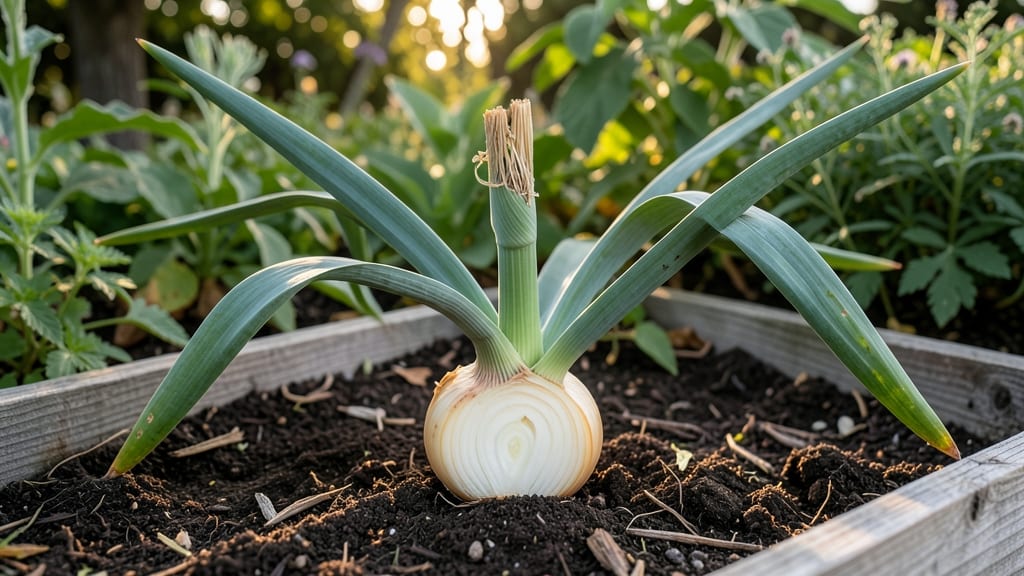
Growing Sweet Texas onions from seed unlocks the bold, sweet flavor that store-bought varieties can’t match. 🌱 These onions thrive in Texas heat and drought, producing mild, juicy bulbs perfect for fresh eating or grilling—once you master the timing and soil, the results are game-changing for home cooks.
Unlike their pungent yellow or red relatives, Sweet Texas onions stay sweet even when cooked, making them a standout in any garden.
The secret starts with well-draining soil rich in organic matter—think compost mixed into the top 12 inches. Plant seeds in early spring (February-March) or fall (September-October) for best results, spacing them 4-6 inches apart in rows 12 inches apart.
Texas’ long growing season means you can often get two harvests per year if you plant early and late. Overcrowding leads to small bulbs, so thin seedlings to the strongest ones once they’re 3 inches tall.
Water consistently to keep the soil moist but not soggy—about 1 inch per week. Mulch with straw to retain moisture and suppress weeds, which is especially helpful during Texas summers. These onions are relatively pest-free, but watch for onion flies; row covers can prevent infestations.
By mid-summer, you’ll see the tops yellow and flop—this is your cue to harvest before they bolt, ensuring peak sweetness.
Sweet Texas onions store well in a cool, dry place for up to 6 months, but their real magic is in the fresh flavor. Try them caramelized, pickled, or raw in salads—nothing beats the taste of homegrown.
For best results, save seeds from your healthiest bulbs for next season’s crop. Whether you’re a beginner or seasoned gardener, these onions deliver reliable flavor with minimal fuss.
📚 In This Guide
- What you need
- Instructions
- Tips and common mistakes
- Wrapping up and next steps
What you need
- ● Sweet Texas Onion Seeds or Sets: Choose certified organic seeds (e.g., Texas Early White Sweet or Yellow Grano varieties). Aim for 1–2 lbs of seeds (or ~500–1,000 sets) for a family-sized harvest.
- ● Well-Draining Soil: Test your soil’s pH (ideal range: 6.0–7.0). Amend with compost or aged manure if needed.
- ○ 1–2 cubic yards of compost for enriching garden beds (optional but recommended).
- ● Fertilizer: Balanced, low-nitrogen fertilizer (e.g., 5-10-10 or 10-10-10). Use 1–2 lbs per 100 sq ft at planting and again mid-season.
- ● Watering Supplies: Drip irrigation system or hose with adjustable nozzle for gentle watering.
- ○ Water retention crystals (optional, for dry climates).
- ● Garden Tools: Trowel or transplanting spade
- ● Garden fork (for loosening soil)
- ● Pruners (for harvesting)
- ● Mulch: Straw or shredded leaves (2–3 inches thick) to retain moisture and suppress weeds.
- ● Row Covers or Netting: Lightweight frost cloth (to protect seedlings from late frosts).
- ● Onion Grow Bags: For container gardening (6–8" deep, 12" diameter).
- ● Soil Moisture Meter: To monitor water needs (especially in hot Texas summers!).
- ● Epsom Salt: A magnesium boost (1 tbsp per plant) if yellowing appears.
- ● Pest Control: Neem oil or diatomaceous earth (for aphids or onion flies).
How to grow sweet Texas onions from seed
Here’s my foolproof method for growing sweet, bold Texas onions—no store-bought transplants needed!
🌱 Step 1: Start Seeds Indoors 8-10 Weeks Before Last Frost
Fill small seed trays with moistened seed-starting mix and press it down gently—just firm enough to hold seeds in place. Plant onion seeds ¼ inch deep in rows spaced ½ inch apart. Cover lightly with more mix, then mist the surface until damp. Onions germinate best at 60-70°F, so a seedling heat mat helps speed things up.
Place the trays under a grow light 12-14 hours daily, keeping it 2-3 inches above the seedlings. You’ll see sprouts in 10-14 days—thin to 1 inch apart once they’re 1 inch tall. This prevents overcrowding and gives each plant room to grow strong.
☀️ Step 2: Harden Off and Transplant Outdoors
Two weeks before your last frost date, move seedlings outside for 1-2 hours daily, gradually increasing time over 7-10 days. Start in shade and slowly introduce morning sun to avoid shocking tender leaves. Onions tolerate light frost, but they’ll bolt (go to seed) if exposed to heat too soon.
Transplant seedlings 4-6 weeks before your last frost when they’re 4-6 inches tall and have 3-4 true leaves. Space them 4-6 inches apart in rows 12-18 inches apart. Work the soil to a depth of 12 inches to loosen roots for better growth. Dig a hole, place the seedling in, and cover the roots—leave the top ¼ inch of the bulb exposed to prevent rot.
💧 Step 3: Maintain Soil Moisture and Fertility
Keep the soil consistently moist but not soggy—onions need 1-1.5 inches of water weekly, more in extreme heat. Water at the base to avoid wetting the leaves, which can cause fungal diseases. A 2-3 inch mulch layer of straw or grass clippings helps retain moisture and suppress weeds.
Feed onions with a balanced 10-10-10 fertilizer every 4-6 weeks starting when they’re 6 inches tall. Too much nitrogen makes them leafy but small. Watch for yellowing leaves—this usually means too much water or not enough sunlight. Onions need 6+ hours of sun daily for sweet bulbs.
✂️ Step 4: Harvest and Cure for Peak Flavor
Onions are ready to harvest when the tops yellow and fall over, usually 90-120 days after transplanting. Use a fork to gently loosen the soil around the bulbs, then pull them up carefully. Leave the tops 1-2 inches long to help cure the bulbs. Lay them in a dry, shaded spot with good airflow for 1-2 weeks to dry the skins.
Once cured, trim the tops to ½ inch and store in a cool, dark place. Properly cured onions keep for 2-3 months. If you miss the harvest window, you can still pull them early and use them fresh—they’ll be milder but still delicious!
Tips & tricks for growing sweet Texas onions
Here's what I learned after growing these bold onions for years—these tricks make all the difference!
Seed-Starting Secret: Don't rush the germination process! Those 10-14 days can feel like forever, but patience pays off. I've found that keeping the seed-starting mix consistently moist (not soggy) at 60-70°F gives me the most consistent sprouts. If your kitchen runs cooler, a seedling heat mat makes all the difference—it's worth the small investment for faster, stronger seedlings.
Harden Off Like a Pro: The 7-10 days of gradual hardening is crucial, but I've learned to start with just 1 hour in shade on day one, then increase by 30 minutes daily. This prevents shock while still preparing them for outdoor conditions. Watch for wilting—if you see that, they're getting too much sun too soon, and you'll need to extend the process.
Transplanting Timing: The 4-6 weeks before last frost window might seem tight, but trust me—it's perfect. Your seedlings should be 4-6 inches tall with 3-4 true leaves before transplanting. I always check the weather forecast and aim for a week with no hard frost predicted. The key is burying them deep enough so only the top ¼ inch shows—this encourages larger bulb development.
Watering Wisdom: The 1-1.5 inches weekly guideline works, but I've found that morning watering prevents fungal issues. Water at the base only, and always check the soil moisture before watering—stick your finger in about 1 inch deep. If it's dry, water; if it's still damp, wait. Too much water is the #1 reason onions turn bitter or rot.
Pro Tips for Sweet Texas Onions
- Here's what I learned after growing these bold onions for years—these tricks make all the difference!
- Seed-Starting Secret: Don't rush the germination process!
- Harden Off Like a Pro: The 7-10 days of gradual hardening is crucial, but I've learned to start with just 1 hour in shade on day one, then increase by 30 minutes daily.
Frequently asked questions
Got questions about growing your own Sweet Texas Onions? You’re not alone! Here are some of the most common queries—and their answers—to help you cultivate a bountiful harvest with confidence.
How long does it take for Sweet Texas Onions to mature?
Sweet Texas Onions typically take 80–100 days to reach maturity from seed, depending on your climate and growing conditions. If you’re planting sets (small bulbs), they’ll mature in about 60–80 days. Check the seed packet for exact timelines—patience pays off with sweet, juicy bulbs!
Can I grow Sweet Texas Onions in hot climates?
Sweet Texas Onions are heat-tolerant and thrive in warm climates (USDA Zones 3–10). For best results, plant them in early spring or late summer to avoid extreme heat stress. Mulching and consistent watering will keep them happy and productive.
How often should I water Sweet Texas Onions?
Keep the soil consistently moist but not waterlogged—aim for 1–1.5 inches of water per week. During dry spells, water deeply 2–3 times per week. Avoid overhead watering to prevent fungal diseases like onion rot. Drip irrigation works wonders!
What’s the best way to store harvested Sweet Texas Onions?
Cure your onions first: Hang them in a dry, well-ventilated spot (like a garage or shed) for 2–3 weeks before storing. Once cured, keep them in a cool (50–60°F), dark, and dry place with good airflow. Mesh bags or braided strands work great—just avoid plastic!
Can I replant leftover Sweet Texas Onions?
Yes! If your onions sprouted green shoots before cooking, you can regrow them in water or soil. Place the root end in a jar of water, keeping it in sunlight. Once roots and greens grow, transplant to soil for a fresh harvest. It’s like onion magic!
Wrapping up and next steps
Growing your own Sweet Texas onions is a rewarding journey—from planting seeds to harvesting those sweet, golden bulbs, you’re creating flavor that’s hard to beat! Whether you’re a seasoned gardener or just starting out, these onions will add a burst of Texas-sized taste to your kitchen. 🌱✨
Now that you’re armed with tips and answers, why not take the next step? Grab your gloves, mark your calendar, and get those seeds in the ground. Before you know it, you’ll be savoring the fruits of your labor—one delicious, sweet onion at a time!