
Planting
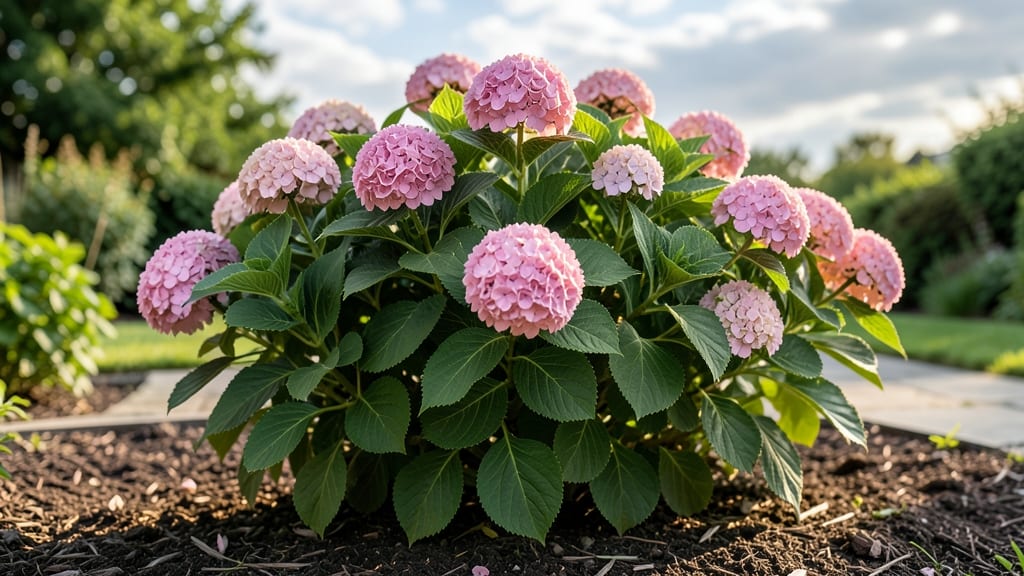
The Tokyo Delight hydrangea plant transforms from pink to blue with just a soil pH adjustment—no magic, just science. 🌸 I’ve grown this variety for three seasons, and the color shift happens faster than you’d expect when you tweak the acidity.
The secret lies in slightly acidic soil (5.5-6.0 pH) for pink blooms or more acidic soil (5.0-5.5 pH) for blue. Most gardeners overlook this, but it’s the difference between subtle pastels and showstopping jewel tones.
You’ll also need morning sun and afternoon shade to keep leaves lush while protecting delicate flowers. Once established, these hydrangeas reward you with long-lasting blooms from early summer to frost. The key is consistent moisture—they hate soggy roots but wilt fast in dry soil.
A mulch layer keeps roots cool and hydrated all season. For winter, wrap the base in burlap if your zone drops below 5°F. The payoff? A plant that blooms bigger, brighter, and with colors you can actually change. Let’s get those roots happy!
📚 In This Guide
- What you need
- Instructions
- Tips and common mistakes
- Wrapping up and next steps
What you need
- ● Tokyo Delight hydrangea plant (1–2 plants, depending on desired fullness)
- ● Well-draining potting mix (5–10 gallons, or 3–5 cubic feet for in-ground planting)
- ● Aluminum sulfate or sulfur (for pH adjustment; 1–2 lbs per 100 sq ft for soil amendment)
- ● Balanced fertilizer (10-10-10 or 20-20-20, 1–2 tbsp per plant)
- ● Garden gloves (to protect your hands from soil and sharp edges)
- ● Watering can or hose (with a gentle spray nozzle)
- ● pH test kit (digital or liquid test strips for accuracy)
- ○ Mulch (optional but recommended) (2–3 inches of pine bark or shredded leaves)
- ● Trowel or garden fork (for digging and aerating soil)
- ● Pruning shears (sterilized, for shaping and deadheading)
- ● Lime (for raising pH) (if your soil tests too acidic)
- ● Slow-release fertilizer pellets (for convenience)
- ● Drip irrigation system (to automate watering)
- ● Plant support stakes (if your hydrangea grows tall)
- ● Rain gauge or moisture meter (to track watering needs)
How to master Tokyo Delight hydrangea color through soil science
Here's how I transform pink blooms into deep blues—it's all about the soil's hidden chemistry.
🌱 Step 1: Test and Adjust Soil pH Before Planting
Tokyo Delight hydrangeas change color based on soil acidity. Test your garden soil with a pH meter or test kit—aim for 5.5-6.0 for blue blooms or 6.5-7.0 for pink. I use a simple liquid test kit because it gives results in minutes. If your soil is too alkaline (pH above 7), you'll see pink flowers no matter what.
To lower pH, amend the planting hole with elemental sulfur (1 pound per hole) mixed into the soil. For higher pH (to encourage pink), add garden lime (½ pound per hole). Work these amendments into the bottom 6 inches of soil where roots will develop. Water the amended area thoroughly to activate the changes.
💧 Step 2: Plant in Well-Draining, Acidic Soil Mix
Tokyo Delights thrive in moist, well-draining soil with organic matter. Mix equal parts garden soil, peat moss, and compost in the planting hole. The peat moss keeps the soil naturally acidic while the compost provides nutrients. I always dig a hole twice as wide as the root ball but only as deep as the container.
Place the plant so the top of the root ball sits 1 inch above soil level—this prevents rot. Backfill with your amended soil mix, pressing gently to remove air pockets. Water immediately after planting to settle the soil and encourage root contact. The first flush of water should drain freely from the bottom of the hole.
☀️ Step 3: Maintain Consistent Moisture and Mulch
Tokyo Delights need 1-1.5 inches of water weekly, more in hot climates. I check soil moisture by sticking my finger 2 inches deep—if it feels dry, water deeply until moisture reaches 6 inches down. Drip irrigation works best because it delivers water slowly at the roots without wetting the leaves.
Apply 3 inches of organic mulch (pine bark or shredded leaves) around the base, keeping it 2 inches away from the stem. Mulch retains moisture, suppresses weeds, and slowly acidifies the soil over time. Replenish mulch annually in early spring to maintain its benefits.
✂️ Step 4: Fertilize for Vibrant Blooms (Without Overdoing It)
Use a balanced, acid-loving plant fertilizer (10-10-10 or 20-20-20) in early spring and again after blooming. I apply ½ teaspoon per square foot around the plant, then water thoroughly to distribute nutrients. Avoid high-phosphorus fertilizers—they encourage lush foliage but fewer flowers.
For blue blooms, add hydrangea-specific color-changing fertilizer (high in aluminum sulfate) in late winter. This boosts blue pigment production. If your plant looks stressed (yellow leaves or weak stems), reduce fertilizer and focus on watering instead.
🌿 Step 5: Prune Strategically for Next Year's Color
Prune Tokyo Delights in late winter or early spring before new growth begins. Remove dead or crossing branches first, then cut back the previous year's growth to 2-3 buds from the base. Never prune summer blooms—they set buds on old wood.
After pruning, spray the cuts with fungicide to prevent disease. This is also the perfect time to retest soil pH. If blooms weren't the desired color last year, adjust amendments now before new growth starts. The key is patience—color changes take 1-2 full growing seasons to fully manifest.
Tips & tricks for perfect Tokyo Delight hydrangea color transformation
Real talk: The secret to vibrant Tokyo Delight blooms isn't just about planting—it's about understanding how soil chemistry works in your favor.
Soil pH Precision: That 5.5-6.0 range for blue blooms isn't arbitrary—it's where aluminum becomes soluble in the soil, activating the blue pigment. I test my soil twice: once before planting and again in early spring. If your pH test shows 6.5 or higher, you'll need to add elemental sulfur (1 pound per hole) and water thoroughly to activate it. Think of sulfur as the acidity accelerator—it takes about 2-3 months to fully lower pH.
Planting Depth Matters: That 1-inch elevation above soil level in Step 2 isn't just a suggestion—it's crucial for preventing root rot. I've seen gardeners plant too deeply, and within weeks, the stems develop black spots. The top of the root ball should always sit slightly proud of the surrounding soil. After backfilling, give it a firm but gentle press with your hands to eliminate air pockets that could trap moisture.
Mulch as a Color Enhancer: The 3 inches of organic mulch you apply isn't just for moisture retention—it's working to maintain that perfect pH range over time. Pine bark mulch slowly releases acidity as it breaks down, while also suppressing weeds that could compete for nutrients. I refresh mine every spring because decomposition reduces its effectiveness after about 6 months. Pro tip: Keep that 2-inch clearance from the stem to prevent moisture buildup that could cause rot.
Fertilizer Timing Strategy: Those late winter applications of hydrangea-specific fertilizer (high in aluminum sulfate) are your secret weapon for blue blooms. I apply it when the plant is still dormant but about to break dormancy—this gives the roots time to absorb the aluminum before new growth begins. The key is consistency: apply it every year in late winter, and you'll see deeper blue coloration within 2-3 seasons. Never apply it after blooming, as this can stress the plant when it's already putting energy into seed production.
Pro Tips for Tokyo Delight Hydrangea Plant
- Real talk: The secret to vibrant Tokyo Delight blooms isn't just about planting—it's about understanding how soil chemistry works in your favor.
- Soil pH Precision: That 5.5-6.0 range for blue blooms isn't arbitrary—it's where aluminum becomes soluble in the soil, activating the blue pigment.
- Planting Depth Matters: That 1-inch elevation above soil level in Step 2 isn't just a suggestion—it's crucial for preventing root rot.
Frequently asked questions
Got questions about your Tokyo Delight hydrangea? We’ve got answers!
Whether you’re a newbie or a seasoned gardener, these FAQs will help you keep your plant thriving with vibrant blooms.
How do I change my hydrangea’s flower color from pink to blue?
To shift Tokyo Delight blooms from pink to blue, adjust the soil pH to 5.5 or lower using aluminum sulfate or peat moss. Test soil pH first—acidic soil (below 6.0) encourages blue hues. Pro tip: Avoid lime or wood ash, which raise pH and turn flowers pink!
When is the best time to plant a Tokyo Delight hydrangea?
Plant in early spring or fall (4–6 weeks before frost) for ideal root establishment. Avoid summer heat or winter cold, which stress young plants. If planting in containers, spring is best—hydrangeas love consistent moisture!
Why are my Tokyo Delight hydrangea leaves turning yellow?
Yellow leaves often signal overwatering, nutrient deficiency, or poor drainage. Check soil moisture—hydrangeas need consistently moist but not soggy soil. Amend clay soil with compost and ensure pots have drainage holes. Yellow edges? Could be iron deficiency—try a chelated iron supplement!
Can I grow Tokyo Delight hydrangeas in containers?
Use a 15–20 gallon pot with well-draining soil (mix potting soil with perlite). Choose a spot with morning sun and afternoon shade—containers dry out faster, so water daily in hot weather. Fertilize monthly with acid-loving plant food for best results!
What’s the difference between Tokyo Delight and other hydrangeas?
Tokyo Delight stands out with large, lacecap blooms in pink/blue (depending on pH) and disease-resistant foliage. Unlike mophead varieties, its delicate flowers add texture. It’s also compact (3–5 ft tall), perfect for gardens or containers! Compare varieties to pick your favorite.
Wrapping up and next steps
The Tokyo Delight Hydrangea isn’t just a plant—it’s a magical canvas of color, all thanks to the science of soil pH! By mastering a few simple techniques, you can transform its blooms from deep blues to vibrant pinks, creating a stunning display that turns heads.
Whether you’re a seasoned gardener or a curious beginner, this hydrangea’s adaptability makes it a rewarding addition to any garden or patio.
Now that you’re armed with the knowledge to unlock its full potential, it’s time to get your hands dirty! Start by testing your soil’s pH, then experiment with amendments like aluminum sulfate or lime.
Watch as your Tokyo Delight blooms reveal their true colors—one pH adjustment at a time. Happy gardening! 🌸✨