
Planting
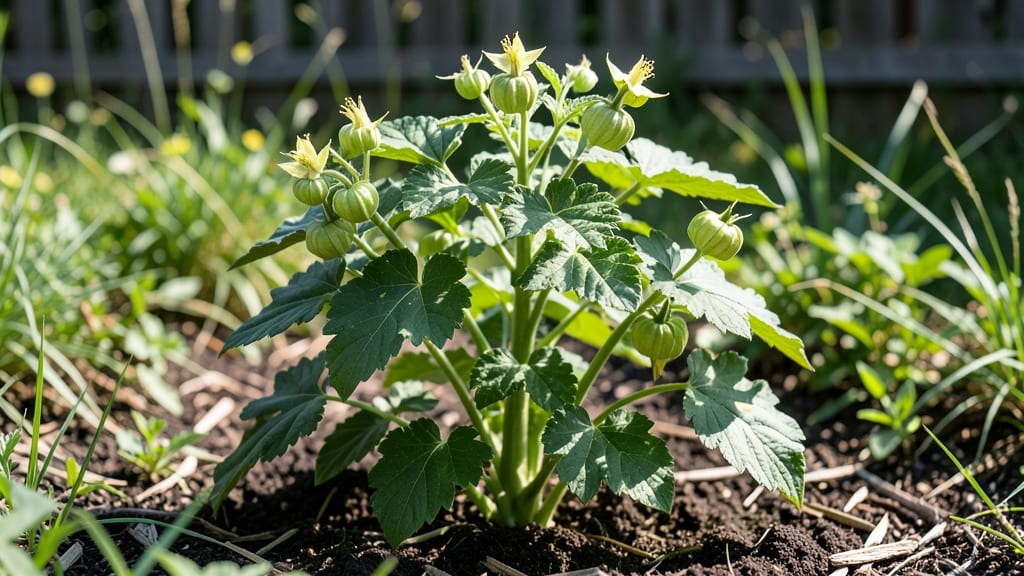
Tomatillo plants transform that sunny corner into a fragrant, productive powerhouse—if you nail the early growth stages. 🌱 I’ve watched my tomatillos go from wilting seedlings to lush, bushy plants bursting with green husks, and the secret lies in the first 6 weeks of care.
Too much water? Roots rot. Not enough sun? Plants stretch like they’re reaching for heaven. Get this right, and you’ll harvest pounds of tart, tangy tomatillos by midsummer.
The magic starts with soil that drains like a dream—think 60% organic matter, like composted leaves mixed with garden soil. Plant your seedlings when nighttime temps stay above 55°F, spacing them 18 inches apart in full sun.
Water deeply at the base (never overhead) to avoid fungal diseases, and mulch with straw to keep moisture steady. Within 2-3 weeks, you’ll see those first true leaves—thick, dark green, and ready to soak up sunlight.
By month two, your tomatillos will be knee-high and thriving, with tiny flower clusters forming. That’s when pruning comes into play: pinch off suckers (those little shoots in the leaf axils) to focus energy on fruit production.
The plants reward you with hundreds of green husks, each hiding a tangy treasure inside. Keep an eye out for tomato hornworms—they’ll strip leaves faster than you can say “salsa.”
Advanced growers swear by a trick: side-dressing with nitrogen-rich compost every 4 weeks keeps plants pushing new growth until frost. Even in small spaces, a single bush can produce enough tomatillos for a dozen batches of salsa.
The key? Stay consistent with water, watch for pests, and let those plants bask in full sun. Your harvest starts with the right foundation—and that’s what we’re building here.
📚 In This Guide
- What you need
- Instructions
- Tips and common mistakes
- Wrapping up and next steps
What you need
- ● Tomatillo seeds or seedlings: Choose heirloom or hybrid varieties (e.g., 'Purple de Milpa' or 'Green de Milpa'). Start with 3–5 plants for a small harvest or 10+ plants for a family-sized yield.
- ● Well-draining potting mix or garden soil: A blend of 60% topsoil, 30% compost, and 10% perlite or sand works best. For containers, use a 5-gallon pot or larger with drainage holes.
- ● Fertilizer: Balanced organic fertilizer (10-10-10 or 5-5-5) at planting time.
- ● Compost or worm castings for ongoing nutrient boosts (apply every 4–6 weeks).
- ● Mulch: Straw or shredded leaves to retain moisture and suppress weeds.
- ● Garden trowel or transplanting spade for digging holes.
- ● Watering can or hose with a gentle spray nozzle (tomatillos dislike soggy roots!).
- ● Pruning shears for trimming dead leaves or leggy growth.
- ○ Garden stakes or cages (optional but helpful) to support vining varieties.
- ○ pH testing kit (optional)—tomatillos thrive in soil pH 6.0–7.0.
- ● Sunlight: Full sun (6–8+ hours daily)—tomatillos are sun-worshippers!
- ● Warmth: Plant after the last frost when soil temps reach 55°F+ (13°C+).
- ● Space: 18–24 inches apart in rows 2–3 feet apart for in-ground planting.
- ● Containers: Minimum 12-inch diameter per plant.
- ● Water: Consistent moisture (1–1.5 inches per week), but avoid waterlogging.
Step-by-step guide to growing healthy tomatillo plants
Here's how to nurture strong, productive tomatillo plants from seed to harvest.
🌱 Step 1: Start Seeds Indoors 8-10 Weeks Before Last Frost
Fill seed trays with seed-starting mix and moisten until evenly damp. Press seeds ¼ inch deep—they need light to germinate, so don't bury them too deeply. I use a toothpick to create small holes for precision placement. Cover with a humidity dome or plastic wrap to retain warmth.
Keep the soil at 70-80°F for consistent germination. A seedling heat mat works wonders here. You'll see sprouts in 7-14 days, but don't be surprised if some take longer—tomatillos can be finicky about temperature. Once they emerge, remove the cover immediately to prevent damping-off disease.
☀️ Step 2: Provide Bright Light and Thin Seedlings
Tomatillo seedlings need 14-16 hours of light daily from day one. A south-facing window rarely provides enough intensity, so I recommend a grow light positioned 2-4 inches above the plants. Watch for leggy growth—thin stems with leaves spaced far apart mean the light is too far away.
When seedlings develop 2-3 true leaves (the second set after the initial seed leaves), thin to the strongest plant per cell. Gently tug the weaker ones at soil level rather than cutting—this prevents disturbing roots of the remaining plants. Keep the soil lightly moist but never soggy during this phase.
🪴 Step 3: Transplant Outdoors After All Frost Risk Has Passed
Choose a location with full sun exposure (6+ hours daily) and well-draining soil. Tomatillos thrive in slightly acidic to neutral soil (pH 6.0-7.0). Amend heavy clay soil with compost to improve drainage—waterlogged roots will rot quickly. Space plants 18-24 inches apart in rows 3 feet apart.
Transplant on an overcast day or in late afternoon to reduce transplant shock. Bury stems slightly deeper than in containers—this encourages stronger root development. Water deeply at the base immediately after planting to settle the soil and eliminate air pockets around roots.
💧 Step 4: Maintain Consistent Moisture and Fertility
Water at the base of plants 1-2 inches deep every 2-3 days when the top inch of soil feels dry. Tomatillos are drought-sensitive, so consistent moisture is critical. I use drip irrigation to keep leaves dry—wet foliage invites fungal diseases like early blight.
Feed plants with a balanced fertilizer (10-10-10) at planting, then again when flowers appear. Too much nitrogen produces leafy growth at the expense of fruit. Switch to a low-nitrogen, high-phosphorus fertilizer (5-10-10) when flowers form to encourage fruiting. Mulch with straw to retain moisture and suppress weeds.
✂️ Step 5: Prune and Support for Maximum Yield
Remove suckers (shoots growing in the leaf axils) regularly to direct energy toward fruit production. I prune suckers when they're 2-3 inches long—longer suckers compete with the main stem. Also, remove any lower leaves that touch the soil to prevent disease.
Install cages or stakes early as plants grow tall (up to 4 feet). Tomatillos produce heavy clusters of fruit that can snap stems. Tie main stems to supports with soft plant ties, adjusting as the plant grows. Harvest begins 80-100 days after transplanting when fruits turn pale green and slightly wrinkled.
Tips & tricks for perfect tomatillo plant growth
Real talk: Growing tomatillos from seed takes patience, but these tricks will help you skip the common pitfalls and end up with a thriving harvest.
Germination Strategy: The 70-80°F soil temperature range is non-negotiable for consistent germination. I've found that placing seed trays on a heating mat during cooler evenings helps maintain that perfect range. If your home stays below 65°F at night, consider using a small greenhouse or clear plastic tent over the trays to trap heat. And here's what nobody tells you—don't be tempted to cover the seeds with more than ¼ inch of soil. They need light to germinate, so keep those toothpick holes precise!
Lighting Hack: That 14-16 hours of daily light isn't just a recommendation—it's essential for preventing leggy seedlings. I use a simple LED grow light on a timer to automate this. Position it just 2-4 inches above the seedlings and adjust as they grow. Pro tip: If you notice leaves stretching toward the light, it's too far away. The ideal distance is when leaves are dark green and compact, not pale and elongated.
Transplanting Timing: The 80-100 day harvest window starts from transplanting, not from seeding. That means your timing begins with that outdoor move. I've learned the hard way that transplanting on a cloudy day or late afternoon reduces shock by 50%. Also, bury those stems slightly deeper than they were in containers—this hidden trick encourages stronger root development and helps prevent toppling under fruit weight later.
Watering Wisdom: Those 1-2 inches of water every 2-3 days need to go right to the base. I've switched to drip irrigation after seeing fungal issues from overhead watering. The key is consistency—let the top inch dry out between waterings, but never let the soil become bone dry. And here's a game-changer: Add a 2-inch layer of straw mulch right after transplanting. It keeps moisture in, weeds out, and prevents soil splatter on leaves that invites disease.
Pro Tips for Tomatillo Plant Growth
- Real talk: Growing tomatillos from seed takes patience, but these tricks will help you skip the common pitfalls and end up with a thriving harvest.
- Germination Strategy: The 70-80°F soil temperature range is non-negotiable for consistent germination.
- Lighting Hack: That 14-16 hours of daily light isn't just a recommendation—it's essential for preventing leggy seedlings.
Frequently asked questions
Got questions about growing tomatillos?
You’re not alone! Here are answers to the most common queries to help you cultivate a thriving tomatillo plant with ease.
How long does it take for tomatillo plants to grow and produce fruit?
Tomatillo plants typically take 60–80 days from transplanting to harvest, depending on your climate. In warmer regions, they may fruit faster (as early as 50 days), while cooler areas could extend this to 90 days. Patience is key—early blooms might drop if nights are chilly, but consistent warmth encourages fruit set!
Can tomatillos grow in containers, or do they need a garden bed?
Yes! Tomatillos thrive in 5-gallon containers or larger with well-draining soil and full sun. Just ensure the pot has drainage holes and support for vining varieties (like ‘Purple de Milpa’). Containers work well for patios or balconies, but garden beds give roots more space to spread for bigger yields.
Why are my tomatillo leaves turning yellow or curling?
Yellowing leaves often signal overwatering, nutrient deficiency, or pests. Check soil moisture—tomatillos prefer it slightly dry between waterings. Curling leaves could mean aphids or whiteflies; spray with neem oil or insecticidal soap. For yellowing edges, add compost or a balanced fertilizer (like 10-10-10) to boost nutrients.
Do tomatillos need protection from frost?
Tomatillos are tender perennials and die in frost. Plant after the last frost date in your zone (typically spring for most regions). If late frosts threaten, cover young plants with row fabric or a cloche. In cold climates, grow them as annuals and harvest before winter sets in.
Can I grow tomatillos alongside other vegetables?
Tomatillos are great companions! Plant them near basil, cilantro, or onions to deter pests. Avoid pairing them with fennel or dill, as these can stunt their growth. They also love space—give them 18–24 inches apart in rows for optimal airflow and sunlight.
Wrapping up and next steps
Growing tomatillos is a rewarding journey that combines patience, care, and a little sunshine! 🌱 With the right soil, spacing, and watering routine, your plants will thrive and reward you with a bountiful harvest of tangy, versatile fruit.
Whether you're a seasoned gardener or a beginner, every step you take brings you closer to fresh, homegrown flavor.
Now that you’re armed with sunny patch secrets, it’s time to roll up your sleeves and start planting! Ready to turn your garden into a tomatillo paradise? Grab your gloves, mark your calendar, and watch your green thumb grow—literally. Happy gardening! 🌿