
Planting
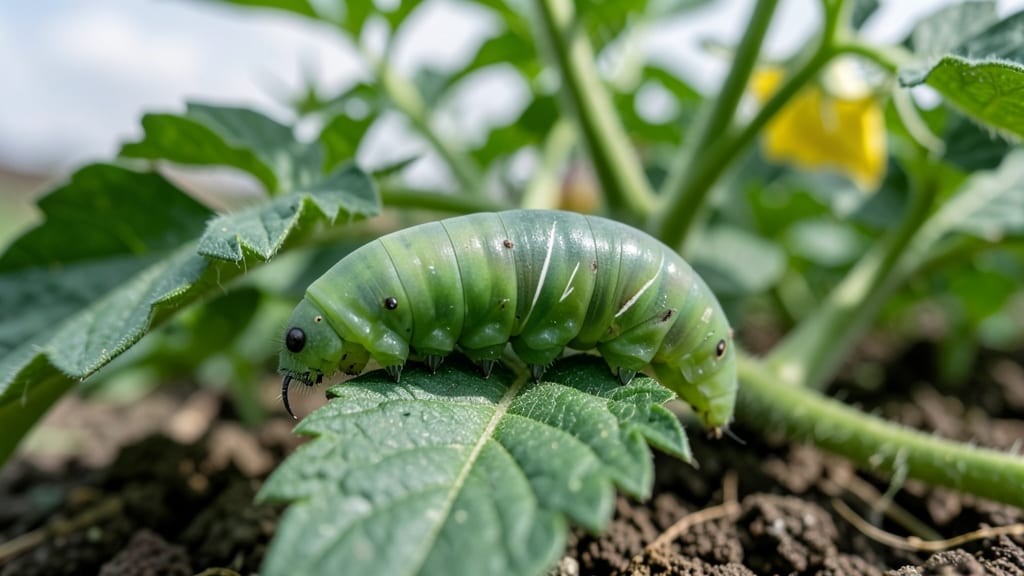
Tomato plant insect pests can strip your harvest in days—but neem oil spray stops them fast. 🌱 I’ve watched hornworms skeletonize plants overnight, and aphids turn leaves sticky in a week. The key is acting before damage spreads, using this foolproof organic spray that works on contact.
Neem oil disrupts pests’ life cycles while being safe for bees and beneficial insects. You’ll need 1 tablespoon per quart of water, a drop of dish soap, and a spray bottle. Apply at dusk when bees aren’t active, and reapply after rain.
The first signs—chewed leaves, webbing, or tiny black flies—mean it’s time to act. Within 24 hours, you’ll see fewer pests, and new growth stays protected. The spray also prevents future infestations by masking tomato plant scents that attract insects.
For severe cases, repeat every 5-7 days until the threat passes. This method works for hornworms, aphids, whiteflies, and spider mites—the most common tomato pests. No harsh chemicals, just a simple, effective solution that keeps your plants thriving all season. Let’s get those tomatoes saved!
Root Causes Of Tomato Bug Attacks
Tomato plants are a buffet for hungry insects, but why do these pests target your garden in the first place? Understanding the why behind their behavior is the first step to stopping them. Below, we break down the key factors that make your tomatoes such an appealing—and vulnerable—feast.
Insects like hornworms, aphids, and whiteflies thrive when tomato plants are weak. Overcrowding reduces airflow, creating a damp, shaded environment that attracts pests. Additionally, stressed plants—from poor soil nutrition, drought, or improper pruning—emit chemical signals that insects detect as a sign of vulnerability.
💡 Pro Tip: Space tomato plants 18-24 inches apart and prune regularly to improve airflow. Healthy plants with strong stems resist pests better!
Tomatoes are packed with sugars and proteins, making them a prime target for chewing insects like Colorado potato beetles and tomato fruitworms. When plants receive too much nitrogen (common in fertilizers), they produce lush foliage but softer, more palatable leaves that pests adore.
⚠️ Watch Out: Avoid high-nitrogen fertilizers (like blood meal) late in the season. Instead, balance with phosphorus and potassium to strengthen plant defenses.
Many tomato pests, such as aphids, spider mites, and whiteflies, flourish in hot, humid climates. Warmth speeds up their reproduction cycles, while high moisture levels (from overhead watering or poor drainage) create the perfect breeding ground.
🌡️ Climate Control Tip:
- Water early in the morning to let foliage dry quickly.
- Use mulch to regulate soil temperature and reduce humidity near the plant.
- Provide shade cloth in extreme heat to deter pests.
Sometimes, the presence of pests isn’t random—it’s a chain reaction. For example:
- Aphids attract ant colonies, which protect them in exchange for honeydew.
- Stink bugs lay eggs in tomato leaves, and their nymphs devour young fruit.
- Fungal diseases (like early blight) weaken plants, making them easier targets for insects.
Breaking this cycle early with neem oil or insecticidal soap prevents a full-blown infestation.
In a balanced ecosystem, ladybugs, lacewings, and parasitic wasps keep pest populations in check. However, if your garden lacks biodiversity—due to heavy pesticide use or monoculture planting—pests multiply unchecked.
🌿 Encourage Beneficial Bugs:
- Plant companion flowers like marigolds and dill to attract predators.
- Avoid broad-spectrum insecticides that kill helpful insects too.
- Install birdhouses or bat boxes to attract natural pest controllers.
By addressing these root causes, you’ll not only reduce pest attacks but also build a healthier, more resilient tomato garden. The next step? Learn how neem oil can stop chewers in their tracks.
Quick Fixes for Tomato Plant Bugs
Tomato plants are a gardener’s pride—until tiny pests turn them into a buffet. Whether it’s ravenous caterpillars, sap-sucking aphids, or tunneling worms, these critters can ruin your harvest faster than you can say “sun-ripened tomato.” But don’t panic!
With the right neem oil spray and targeted fixes, you can reclaim your plants and protect future crops. Below, we break down the most common tomato plant insect pests and practical, step-by-step solutions to stop the damage in its tracks.
Plus, we’ll share prevention tips to keep your garden pest-free for seasons to come.
Signs: Large green caterpillars with white stripes, half-eaten leaves, and frass (poop) everywhere.
How to Fix It: 🔥 Handpick at dawn or dusk – These guys are slow-moving when cool. Grab them (gloves optional, but gross) and drop them in soapy water.
🍳 Neem oil spray (best defense!) – Mix 1 tsp neem oil + 1 tsp mild soap + 1 quart water. Spray every 3–5 days until gone. Neem disrupts their feeding and growth.
👨🍳 Introduce beneficial predators – Ladybugs, parasitic wasps (Braconid wasps), and praying mantises love hornworms. Buy them online or attract them with dill or fennel in your garden.
🥘 Row covers (prevention) – If you spot hornworms early, cover young plants with floating row fabric to block egg-laying moths.
Signs: Tiny green/black bugs clustering on new growth, sticky honeydew, and curled leaves.
How to Fix It: 🔥 Blast them off with water – A strong hose spray (especially in the morning) knocks them off plants.
🍳 Neem oil + insecticidal soap combo – Spray neem oil (1 tsp/quart water) + 1 tsp castile soap directly on aphids. Reapply after rain.
👨🍳 Encourage ladybugs & lacewings – These natural aphid hunters thrive in gardens with dandelions or clover. Release them or plant alyssum to attract them.
🎯 Reflective mulch (prevention) – A silver or aluminum mulch confuses aphids with its glare, deterring them from landing.
Signs: Yellow-and-black striped beetles, skeletonized leaves, and orange larvae chewing holes.
How to Fix It: 🔥 Handpick adults & larvae – Drop them in soapy water or crush them (wear gloves—they’re stinky!).
🍳 Diatomaceous earth (DE) barrier – Sprinkle food-grade DE around the base of plants. It dehydrates beetles but is safe for plants.
👨🍳 Beetle traps (early season) – Place yellow sticky traps near plants to catch adults before they lay eggs.
🌡️ Row covers (prevention) – Cover plants before beetles emerge (late spring). Remove when flowers appear to allow pollination.
Signs: Tiny white moths fluttering when you disturb leaves, sticky residue, and yellowing leaves.
How to Fix It: 🔥 Yellow sticky traps – Hang them above plants to trap adults.
🍳 Neem oil + kaolin clay spray – Mix neem oil + 1 tbsp kaolin clay per quart water. Spray undersides of leaves where they hide.
👨🍳 Encourage parasitic wasps – These tiny warriors lay eggs inside whitefly pupae. Plant basil or marigolds to attract them.
✨ Close-up spray bottle – Use a fine mist to reach all leaf surfaces, especially undersides.
Signs: Plants suddenly severed at the base, frass around the stem, and holes in leaves.
How to Fix It: 🔥 Flashlight patrol at dusk – Shine a light on soil—cutworms contract when exposed. Pick them off and drop in soapy water.
🍳 Collar barriers – Wrap cardboard or aluminum foil around stems 1–2 inches deep to block tunneling.
👨🍳 Beer traps (yes, really!) – Bury a small cup filled with beer near plants. Cutworms drown in it overnight.
🎯 Cultivate soil (prevention) – Loosen soil around plants—cutworms hate dry conditions.
- Rotate crops – Don’t plant tomatoes in the same spot yearly (pests build up in soil).
- Plant companion plants – Basil, marigolds, and onions repel many tomato pests naturally.
- Healthy soil = strong plants – Use compost and balanced fertilizer so tomatoes can fight off pests better.
- Inspect weekly – Catch pests early before they multiply!
- Neem oil schedule – Spray every 7–10 days as a preventive shield, especially after rain.
With these targeted fixes, your tomato plants will bounce back—and your harvest will be pest-free in no time. 🍅🔥 Which pest is plaguing your garden? Drop a comment below, and we’ll help you tackle it!
Frequently asked questions
What are the first signs my tomato plants have insect pests?
Watch for chewed leaves, tiny black flies hovering near plants, or sticky residue (honeydew) on foliage. Hornworms leave large, irregular holes in leaves, while aphids cause curled leaves and clusters of small bugs. Act fast—early intervention prevents total plant damage!
Is neem oil safe for all tomato plant pests?
Neem oil works on hornworms, aphids, whiteflies, and spider mites—but not on Colorado potato beetles or cutworms. For these, use handpicking or diatomaceous earth. Always test on a small leaf first to check for sensitivity.
How often should I spray neem oil to prevent pests?
Spray every 7–10 days as a preventive measure, especially after rain. For active infestations, apply every 3–5 days until pests disappear. Always spray at dusk to protect bees and beneficial insects.
Can I use neem oil on tomato fruits?
Yes! Neem oil is safe for ripe and unripe tomatoes when used as directed. Avoid spraying directly on open flowers to protect pollinators. Harvest tomatoes within 24 hours of spraying to ensure no residue remains.
What’s the best time of day to spot and remove pests?
Check plants early morning or late evening when pests are sluggish and easier to spot. Dawn is ideal—pests hide in shade during the day. Use a flashlight at dusk to find cutworms or hornworms hiding in foliage.