
Planting
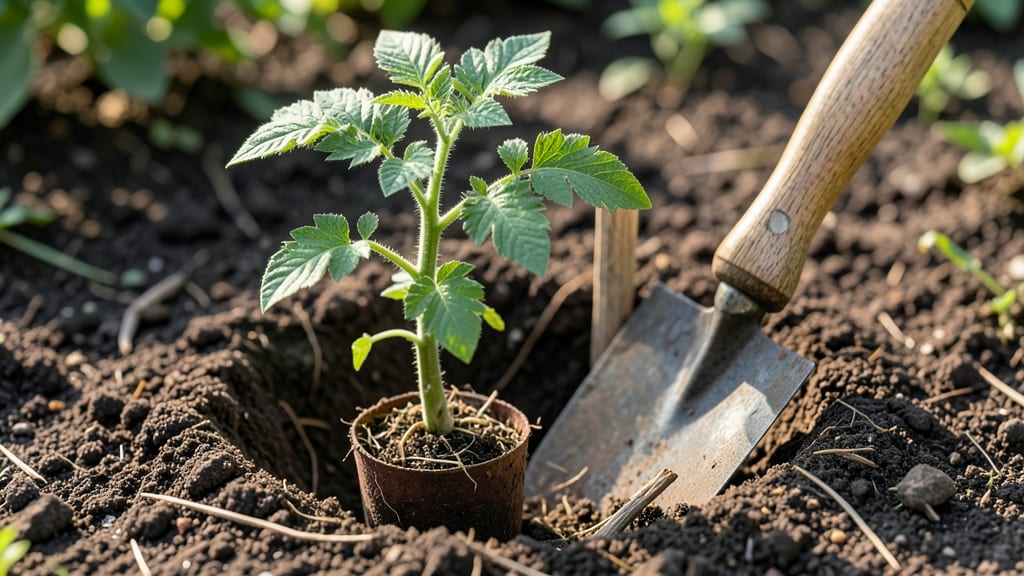
Getting the tomato plant planting depth right is the difference between a thriving vine and a weak, struggling plant 🍅 — and most gardeners get it wrong.
Too shallow, and your tomatoes flop over like a drunk toddler; too deep, and you smother the roots before they even start. I’ve buried stems too deep and watched plants drown, then dug up seedlings too soon and seen them topple under their own weight.
Here’s the science-backed rule: for transplants, aim for 6 to 12 inches of soil covering the stem, leaving just the top leaves exposed. Seeds need a gentler touch—only ¼ inch deep—so they don’t suffocate before sprouting.
In this guide, I’ll break down the exact depths for seedlings vs. transplants, how to fix common mistakes, and why root flare matters more than you think. Your harvest depends on it.
The exact tomato planting depth by seedling type (with visual guide)
Getting the tomato planting depth right is the difference between a thriving vine and a struggling plant. Too shallow, and roots won’t anchor properly; too deep, and stems rot.
For transplants, I’ve found the sweet spot is 2/3 of the stem buried—this triggers root growth along the buried portion while keeping the top third exposed for photosynthesis. Seedlings, on the other hand, need just 1/4 inch of soil coverage to avoid smothering their delicate stems.
Why does depth matter so much? Tomatoes are heavy feeders, and their root systems need space to spread. Buried stems develop additional roots that stabilize the plant and boost nutrient uptake.
But expose too much stem, and you risk stem rot or weak support. The key is balancing root flare visibility—that swollen base where roots meet stem—just above soil level for airflow.
Determinate varieties (like Roma or Celebrity) tolerate slightly shallower planting—around 6 inches deep—since they’re bushier and don’t need as much stem support.
Indeterminate types (such as Sungold or Brandywine), which grow 6+ feet tall, benefit from deeper planting (8–12 inches) to strengthen their main stems against wind and fruit weight.
⚠️ Pro Tip: If your transplant has a thick stem, pinch off the lower leaves before planting. This reduces transpiration loss while the roots establish, preventing wilting. For container-grown tomatoes, use the same depth rules but ensure your pot has drainage holes—waterlogged roots are a silent killer.
For determinate tomatoes, I recommend planting them slightly shallower—around 6 inches deep—since their compact growth habit doesn’t require deep anchoring. These varieties focus energy on fruit production rather than stem strength, so keeping them upright with minimal support (like cages) works best.
Indeterminate types, however, need that extra depth to develop a robust root system for their towering growth.
One mistake I see often is planting too deep, which can cause stem rot or girdling as the buried stem struggles to breathe. Always check the root flare—the swollen base where roots meet stem—should sit just above soil level.
If it’s buried, gently loosen the soil and reposition the plant. For heavy clay soils, amend with compost to improve drainage before planting.
After planting, water deeply to settle the soil and eliminate air pockets around the roots. I like to use a soil moisture meter to ensure the root zone stays consistently damp but not soggy.
Mulching with straw or shredded leaves helps maintain even moisture and suppresses weeds, which compete for nutrients. Avoid piling mulch against the stem—keep it 2–3 inches away to prevent rot.
If you’re growing tomatoes in containers, the same depth rules apply, but choose pots at least 12 inches wide and deep to accommodate root growth. Containers dry out faster, so monitor soil moisture closely and water when the top 1–2 inches feel dry.
For vertical gardening, use trellises or cages to support indeterminate varieties, which can reach heights of 6+ feet.
Remember, the goal is to create a stable, well-anchored plant with room for root expansion. By following these depth guidelines, you’ll give your tomatoes the best start for a bountiful harvest—whether you’re growing cherry tomatoes in pots or heirloom slicers in the garden bed. 🌱
Common planting depth mistakes that kill tomato plants (and how to fix them)
Getting the planting depth wrong for your tomato plants can turn a thriving garden into a disappointment. Too shallow, and roots struggle to anchor—too deep, and stems rot before they even sprout.
I’ve seen firsthand how these mistakes can cut yields by 50% or more, but the good news? Fixing them is simple once you know the signs.
Most gardeners focus on soil prep and sunlight but overlook how depth affects root development. A buried stem doesn’t just sit there—it either suffocates or grows unstable roots. Let’s break down the 5 deadly mistakes and how to reverse them before your plants hit their prime.
⚠️ Warning: These Mistakes Are Silent Killers
Buried stems = rot and weak stems (no airflow). Shallow roots = top-heavy plants that snap in wind. Over-deepening = stunted growth from poor oxygen flow. Ignoring the root flare = water pooling and fungal risks. Skipping soil prep = compacted roots that strangle growth.
Fix them now—or watch your tomato harvest shrink by half.
First up: burying the stem too deep. When you tuck a tomato transplant below the soil line, you’re essentially suffocating it. The stem above the soil should be 2/3 exposed—any less, and you’ll see yellowing leaves or blackened stems within weeks.
For indeterminate varieties, this is especially critical because they rely on that exposed stem to produce new growth.
Next, the root flare—the swollen base where roots meet the stem—must sit just above soil level. If buried, it traps moisture, leading to root rot. Dig a shallow trench, place the plant, and backfill so the flare is visible above ground.
Pro tip: Use a stake or cage to hold the plant steady while you adjust the depth—this prevents accidental over-planting.
Over-deepening—planting too far down—is another sneaky killer. While you might think extra soil provides support, it actually restricts root growth. For determinate tomatoes, keep the depth to 6-8 inches from the base.
For taller indeterminate types, 8-12 inches is ideal, but never bury more than 1/3 of the stem. If your plant is already too deep, gently expose the buried stem and add a mulch ring to stabilize it.
Shallow planting is just as bad—roots can’t anchor, and the plant becomes a windfall waiting to happen. If your tomato seedlings are wobbling, dig a deeper hole and add compost-rich soil to encourage root spread.
For container-grown tomatoes, ensure the pot is deep enough (at least 12 inches) and the plant sits 1 inch below the rim to prevent root exposure.
Lastly, skipping soil prep before planting creates a compacted base that strangles roots. Loosen the soil to 12 inches deep and mix in organic matter like compost or aged manure.
This ensures roots have room to expand and access nutrients. If your soil is heavy clay, add sand or perlite to improve drainage—waterlogged roots are a death sentence for tomatoes.
Now’s your chance to save your tomato plants before it’s too late. Check each plant’s depth, adjust the soil, and watch your harvest rebound in weeks. And remember: prevention is key—always plant with the root flare visible and stems partially exposed. Your future juicy tomatoes will thank you! 🍅