
Planting
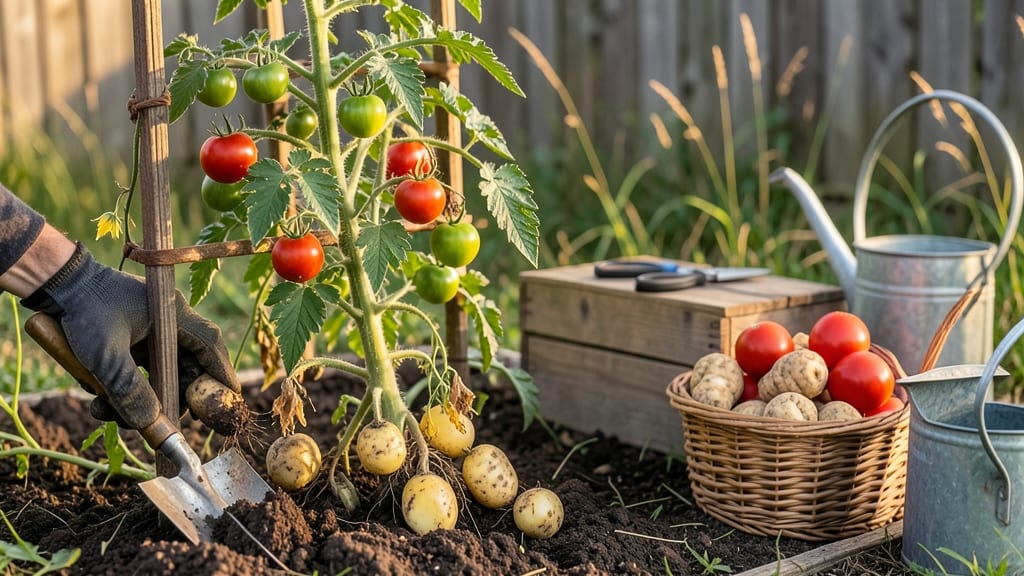
A tomato plant that grows potatoes is a specialized hybrid—typically a grafted Solanum lycopersicum scion atop a potato-producing rootstock—that yields both edible tomatoes and tubers from a single perennial plant, perfect for maximizing small-space harvests in moderate climates.
This dual-purpose plant works through botanical grafting, where the tomato's above-ground growth is fused to a potato-producing root system. 🌱 The result? One plant that produces two harvests—tomatoes in summer and potatoes from underground stems by fall.
Unlike traditional varieties, these hybrids thrive as perennials, returning year after year with proper care, making them ideal for gardeners with limited space but big yield goals.
For best results, plant in well-draining soil with rich organic matter and provide 6-8 hours of sunlight daily. Prune aggressively to direct energy toward tuber development, and harvest potatoes when foliage yellows—typically 90-120 days after planting.
The trade-off? These hybrids often produce fewer tomatoes than standard varieties, but the novelty and space efficiency make them a rewarding experiment for adventurous gardeners.
💡 In This Article
- How Tomato-Potato Hybrid Plants Combine Two Crops
- Growing and Harvesting Tips for Dual-Crop Plants
How tomato-potato hybrid plants combine two crops
The magic behind these dual-crop plants lies in botanical grafting, where a tomato plant (Solanum lycopersicum) is fused to a potato-producing rootstock (Solanum tuberosum).
This technique exploits the natural compatibility between these nightshade relatives, allowing the tomato scion to draw nutrients from the potato's extensive underground network.
The key is selecting rootstocks with strong tuber-forming genes while ensuring the graft union remains stable—typically achieved through cleft grafting or whip-and-tongue methods during the plant's early growth stages.
What makes this work is the plant's resource allocation strategy. During summer, energy flows upward to produce tomatoes, while in cooler months, the same plant redirects nutrients to develop tubers from underground stems called stolons.
The tomatoes you harvest are genetically identical to standard varieties, but the potatoes often have a waxy, yellow-fleshed texture similar to fingerling potatoes. 🌱 The trade-off?
These hybrids typically yield about 30% fewer tomatoes than ungrafted plants, but the potato harvest compensates with 2-3 times more tubers per plant than traditional potato varieties.
Seasonal timing is everything. Tomato-potato hybrids follow a bimodal growth pattern: they produce fruit when days are long (summer) and tubers when days shorten (fall). This dual harvest works best in USDA Zones 5-9, where temperatures stay above freezing during winter dormancy.
In colder climates, gardeners must protect the plants with mulch or row covers—these hybrids can't survive harsh winters like true perennials. The rootstock's cold hardiness often determines the plant's winter survival rate.
One fascinating detail is how the graft union affects flavor. The potatoes from these hybrids often develop a milder, slightly sweet taste compared to store-bought spuds, likely due to the tomato scion's influence on starch metabolism.
Meanwhile, the tomatoes may have a brighter acidity from the potato rootstock's natural acidity regulators. This flavor interplay makes them unique—almost like a natural cross-pollination of tastes in your garden. 💫
For gardeners curious about the science, the process involves vascular cambium cells bridging the two plants' tissues. These cells form a permanent connection that allows water, nutrients, and even disease signals to pass between the tomato and potato systems.
This is why these hybrids can sometimes share disease resistance—if the rootstock resists blight, it may protect the tomato scion above ground. The downside? This also means pests or diseases can travel between the two plant parts more easily.
Consider this real-world example: A home gardener in Oregon grew a tomato-potato hybrid that produced 12 pounds of yellow potatoes alongside 8 pounds of cherry tomatoes from a single 2-foot-wide space—equivalent to the yield of three separate plants.
The secret? Planting in well-draining volcanic soil and using a drip irrigation system to prevent water stress at the graft union. This demonstrates how careful cultivation can maximize the hybrid's dual potential.