
Planting
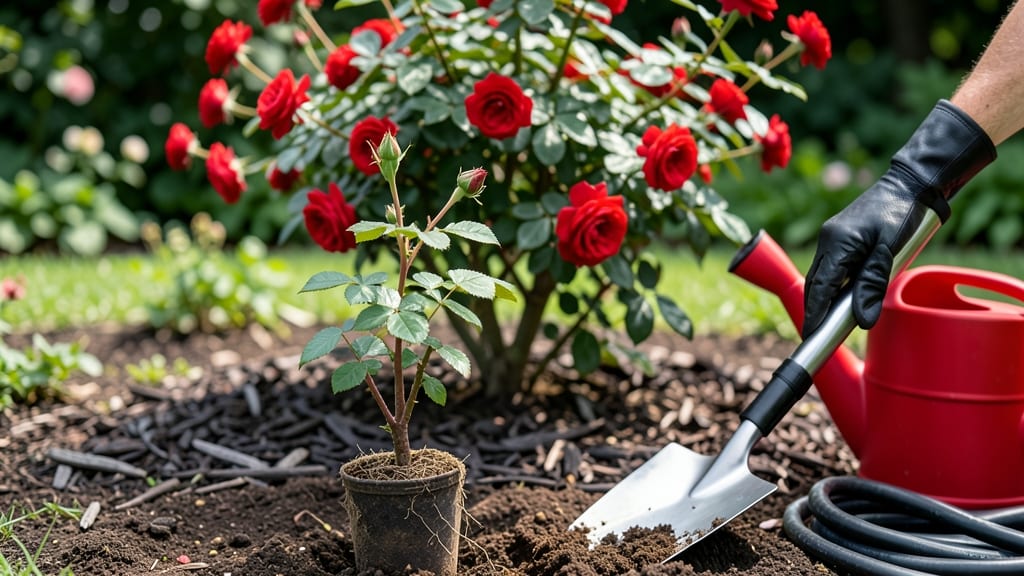
Transplanting a Knockout rose bush is the best way to give it a second life in the perfect spot—nonstop blooms depend on it. 🌹 I’ve moved mine twice, and the secret isn’t brute force; it’s preparation.
The right timing, soil, and gentle handling make all the difference between a struggling plant and one that thrives from day one.
You’ll need basic tools—a shovel, pruners, and a wheelbarrow for heavy soil—and the right moment: early spring or fall when temperatures are mild. Amend the soil with compost for better drainage, and avoid transplanting during heatwaves or frost. The roots need time to recover, not to fight for survival.
When you dig, keep the root ball intact—minimize root disturbance—and water deeply before and after moving. Prune back any damaged roots, then plant at the same depth as before. Mulch around the base to retain moisture and protect the roots from temperature swings.
After transplanting, water every other day for the first two weeks, then taper off as new growth appears. Skip heavy pruning for now—let the plant focus on establishing roots. With patience, your Knockout rose will bounce back stronger, blooming like it’s been there forever.
📚 In This Guide
- What you need
- Instructions
- Tips and common mistakes
- Wrapping up and next steps
What you need
- ● Transplant knockout rose bush: 1 healthy, well-rooted plant (check for vibrant green leaves and sturdy stems).
- ● Garden trowel: 1 medium-sized (6–8 inches long) for digging and transplanting.
- ● Pruning shears: 1 pair (sterilized with rubbing alcohol) for trimming dead or damaged branches.
- ● Garden gloves: 1 pair (heavy-duty, waterproof) to protect your hands from thorns and soil.
- ○ Burlap or transplanting sack: 1 (optional but helpful for moving potted roses).
- ● Mulch: 2–3 bags (2–3 cubic feet each) of organic mulch (e.g., shredded bark or pine straw).
- ● Compost or slow-release fertilizer: 1 bag (10–20 lbs) to enrich the soil.
- ● Watering can or hose with a gentle spray nozzle: 1 (for post-transplant hydration).
- ● Choose the right time: Early spring or fall (avoid extreme heat or frost).
- ● Test your soil: pH 6.0–6.5 (Knockout roses thrive in slightly acidic soil).
- ● Prepare the new location: Dig a hole twice as wide as the root ball but no deeper.
- ● Water the rose bush: 24 hours before transplanting to keep roots moist.
- ● Root stimulator: 1 bottle (to encourage root growth post-transplant).
- ● Plant support (stake or cage): 1–2 (if your rose is tall or leggy).
- ● Epsom salt: 1 small bag (for magnesium boost, especially in clay soil).
- ● Soil moisture meter: 1 (to monitor hydration levels).
Step-by-Step instructions for transplanting Knockout rose bushes
Here’s the straightforward method I’ve used to transplant Knockout roses with zero stress and maximum success—even in tough climates.
🪴 Step 1: Prepare the New Planting Site
Knockout roses thrive in well-draining soil with full sun (at least 6 hours daily). Choose a spot that’s at least 3 feet from walls or fences to prevent root competition and improve airflow. I dig a hole twice as wide as the root ball but only as deep—this prevents burying the graft union too deeply, which can weaken the plant.
Loosen the soil at the bottom of the hole with a spade or your hands. Mix in 2-3 inches of compost or aged manure into the native soil to enrich it without overwhelming the roots. Avoid fresh manure—it burns tender roots. If your soil is heavy clay, add a shovelful of sand or perlite to improve drainage.
☀️ Step 2: Prune and Prep the Rose Bush
Transplanting is less stressful if you prune the rose first. Cut back one-third of the oldest canes to encourage new growth and reduce water demands. Remove any dead, diseased, or crossing branches—this keeps the plant focused on rooting. Water the bush deeply the day before transplanting so the roots are hydrated but not soggy.
Dig around the root ball 12-18 inches out from the base, following the natural root spread. Use a sharp spade to avoid tearing roots. If the roots are circling tightly (a common nursery issue), gently loosen them with your fingers. This prevents girdling as the plant grows. Handle the roots carefully—Knockout roses are tough, but rough treatment slows recovery.
💧 Step 3: Transplant and Water Thoroughly
Place the rose bush in the hole so the graft union (the swollen bump near the base) sits 1-2 inches above soil level. This protects it from rot and ensures the plant grows upright. Fill the hole with soil, tamping it down gently to eliminate air pockets. Water deeply right away—this settles the soil and removes air gaps around the roots.
After watering, add 2-3 inches of mulch (like shredded bark or straw) around the base, keeping it 6 inches away from the stem to prevent rot. Mulch conserves moisture and regulates soil temperature. Avoid piling mulch against the stem—it traps moisture and invites pests. Water again in 3-5 days to encourage root establishment, then taper to once a week unless it’s extremely hot or dry.
✂️ Step 4: Support and Monitor Growth
Install a sturdy stake or cage immediately after transplanting—Knockout roses grow fast, and wind can topple them. Tie the main canes to the support with soft plant ties (never wire, which cuts into bark). Prune any suckers (shoots growing below the graft union) as they appear—they drain energy from the main plant.
Watch for new leaf growth in 2-4 weeks—this is your sign the roots are settling in. If leaves yellow or wilt, water deeply and check for overwatering (soggy soil) or underwatering (dry, crusty soil). Fertilize lightly with a balanced rose fertilizer (like 10-10-10) 6 weeks after transplanting to support recovery. Avoid heavy feeding right away—it stresses the plant.
🌿 Step 5: Encourage Nonstop Blooms
Knockout roses bloom continuously, but they need regular deadheading to keep producing flowers. Pinch off spent blooms just above a set of healthy leaves—this redirects energy to new growth. In late summer, cut back one-third of the oldest canes again to rejuvenate the plant and improve next year’s blooms.
By fall, your transplanted Knockout rose should look like it’s been there for years. If it struggles, a light winter mulch (4-6 inches) protects roots from freeze-thaw cycles. With proper care, it’ll reward you with vibrant blooms from spring to frost—just like the pros promise.
Tips & tricks for transplanting Knockout roses
Here’s what I wish I knew before transplanting my first Knockout rose—these little details make all the difference between a struggling plant and one that thrives.
Soil Prep Secret: In Step 1, when you’re amending the soil, go the extra mile by testing your native soil’s pH first. Knockout roses prefer slightly acidic soil (pH 6.0-6.5). If yours is off, add sulfur to lower the pH or lime to raise it before planting. I learned this the hard way when my first transplant struggled despite perfect sunlight. A simple soil test kit from your local garden center solves this mystery.
Root Ball Rescue: If you’re working with container-grown Knockout roses, gently squeeze the sides of the pot to loosen the root ball before removing it. This prevents roots from circling tightly around the container, which can strangle the plant as it grows. In Step 2, if you notice roots growing in a spiral pattern, use your fingers to carefully untangle them—this is especially common with nursery plants that spend too long in containers.
Watering Wisdom: The deep watering in Step 3 is non-negotiable, but here’s the pro move: water slowly over 20-30 minutes to let the soil absorb moisture evenly. Quick dousing creates surface runoff that doesn’t reach the roots. After transplanting, I set a timer and let the water drip gently from my hose—this gives the roots a proper soaking without shocking the plant. The 3-5 day follow-up watering should be just as thorough to encourage those roots to spread outward.
Support System: Don’t wait until your Knockout rose is toppling to install that stake! In Step 4, place the stake at a 45-degree angle and tie it to the main canes using soft fabric ties (like old T-shirts cut into strips). This gives the plant immediate support without restricting growth. I’ve seen roses grow so fast that even sturdy stakes bend if not secured properly. Check the ties every few weeks—they’ll need adjusting as your rose grows.
Pro Tips for Transplant Knockout Rose Bush
- Here’s what I wish I knew before transplanting my first Knockout rose—these little details make all the difference between a struggling plant and one that thrives.
- Soil Prep Secret: In Step 1, when you’re amending the soil, go the extra mile by testing your native soil’s pH first.
- Root Ball Rescue: If you’re working with container-grown Knockout roses, gently squeeze the sides of the pot to loosen the root ball before removing it.
Frequently asked questions
Got questions about transplanting your transplant knockout rose bush? You’re not alone! Here are answers to the most common concerns—from timing to troubleshooting—to help your roses thrive after the move.
When is the best time to transplant a Knockout rose bush?
Transplant in early spring or early fall when temperatures are mild (50–70°F). Avoid extreme heat or cold—these roses are tough, but stress from temperature swings can delay recovery. Pro tip: If you must transplant in summer, do it on a cloudy day or water thoroughly before and after to reduce shock.
How do I prepare the new planting hole for my Knockout rose?
Dig a hole twice as wide as the root ball but only as deep. Loosen the soil at the bottom to encourage root spread. Mix in compost or aged manure for nutrients, but avoid fresh manure—it can burn roots. Troubleshooting: If your soil is heavy clay, amend it with sand or peat moss for better drainage.
Can I transplant a Knockout rose bush that’s already blooming?
Yes, but trim back 1/3 of the blooms to reduce stress on the plant. Knockout roses are resilient, but the energy it uses to produce flowers can slow root establishment. Focus on watering deeply 2–3 times per week for the first month to help roots adjust.
What if my transplanted Knockout rose isn’t blooming after a few weeks?
Don’t panic! Newly transplanted roses may take 4–6 weeks to recover before blooming resumes. Ensure it gets 6+ hours of sunlight daily and 1 inch of water per week. If leaves yellow, check for overwatering or poor drainage. Fix: Apply a balanced fertilizer (10-10-10) lightly to encourage growth.
Are there alternatives to transplanting if my Knockout rose is struggling?
If your rose is diseased or root-bound, consider grafting onto a new rootstock or propagating from cuttings (take 4–6 inch stems in spring). For less invasive options, try top-dressing with compost or pruning to reduce stress. Warning: Avoid heavy pruning mid-season—save it for dormancy.
Wrapping up and next steps
Transplanting a transplant knockout rose bush is a rewarding project that brings vibrant blooms and lasting beauty to your garden—and you’ve got all the know-how now to make it thrive! 🌸 With the right tools, timing, and care, your rose bush will take root and flourish for years to come.
The key is patience, preparation, and a little love for your green thumb.
Ready to take the next step? Mark your calendar for the best transplanting window (early spring or fall) and gather your supplies. Then, roll up your sleeves—your garden’s about to get a stunning upgrade! 🌱