
Planting
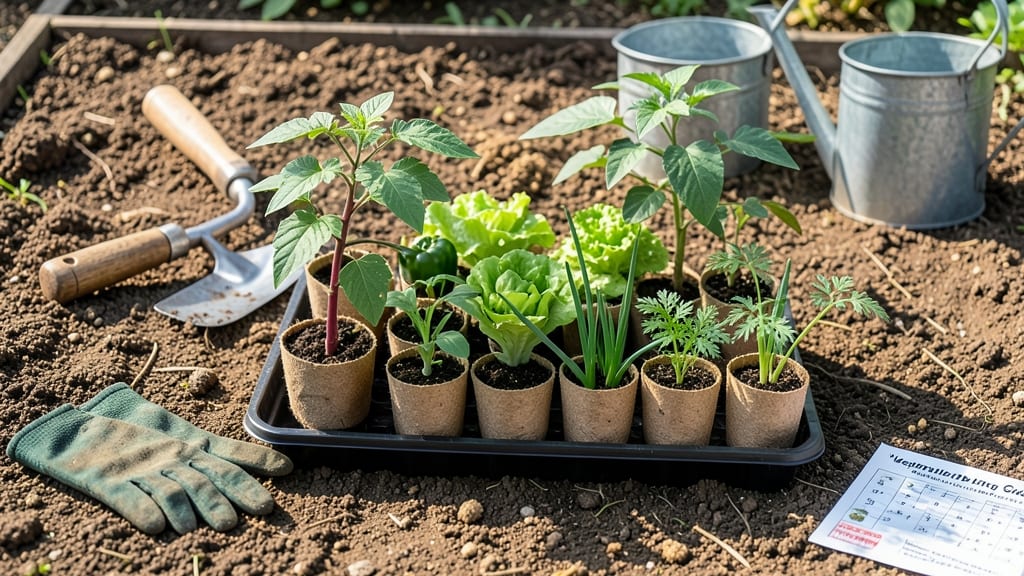
Planting a vegetable garden in North Carolina at the right time means the difference between a bountiful harvest and a sad, frost-nipped disappointment.
North Carolina’s diverse climate—from the mountains to the coast—means your vegetable planting schedule can’t be one-size-fits-all. Get the timing wrong, and your seedlings could face frost or sweltering heat.
But here’s the good news: with the right frost dates and zone-specific rules, you can extend your growing season and enjoy fresh veggies from spring through fall.
Whether you’re in the Piedmont or the coastal plains, I’ll break down exactly when to start seeds indoors, when to direct-sow, and how to adjust for early or late seasons.
You’ll learn how to align your planting with NC’s unique microclimates, use succession planting for continuous harvests, and even push your garden’s limits with simple tricks like row covers. Let’s get those 🌱 vegetables growing on schedule!
North Carolina frost dates by region: when to plant cool-season vegetables
North Carolina’s 7 USDA climate zones (7a through 8b) create dramatic differences in frost timing—sometimes 3-4 weeks apart between the mountains and coast. For cool-season vegetables like broccoli, cabbage, and spinach, these dates mean the difference between thriving plants and frost-killed seedlings.
Let’s break down when to plant in each region so you can start your garden at the perfect time.
Coastal areas like Wilmington (zone 8a) enjoy earlier springs and later falls than the Piedmont (Raleigh, zone 7b) or mountains (Asheville, zone 7a). This means you can plant spinach in October on the coast but risk frost damage in the same month just 100 miles inland.
Understanding these last frost dates ensures your seedlings have enough time to mature before winter sets in.
Here’s how to use this guide: First, identify your USDA zone (find yours here). Then, use the planting windows below to schedule your cool-season crops.
For example, in zone 7a (mountains), broccoli should go in by late April, while in zone 8a (coast), you can plant until early May. Let’s dive into the details.
| Region & Zone | Avg Last Frost | Avg First Frost | Best Planting Window | Cool-Season Crops |
|---|---|---|---|---|
| Mountains (7a) | April 15 | October 20 | March 15 - April 30 August 15 - Sept 15 |
Broccoli, Cabbage, Spinach, Peas |
| Foothills (7b) | April 1 | October 10 | March 1 - April 15 August 1 - Sept 10 |
Lettuce, Kale, Radishes, Carrots |
| Piedmont (7b-8a) | March 25 | October 30 | February 15 - April 1 August 15 - Oct 15 |
Peas, Spinach, Collards, Brussels Sprouts |
| Coastal Plain (8a) | March 15 | November 15 | February 1 - April 15 August 1 - Nov 1 |
Cabbage, Broccoli, Swiss Chard, Turnips |
| Sandhills (8a) | March 10 | November 10 | January 30 - April 10 July 30 - Oct 30 |
Peas, Spinach, Lettuce, Radishes |
| Coastal (8b) | February 28 | December 1 | January 1 - April 30 July 1 - Dec 1 |
All Cool-Season Crops |
*Dates are averages; check NC State Climate for yearly updates.
Notice how the coastal regions (8a-8b) have longer growing seasons? In Wilmington (zone 8b), you can plant <
Best planting calendar for NC vegetables: heat-tolerant vs. cool-loving crops
North Carolina’s warm-season and cool-season vegetables thrive on opposite schedules. Tomatoes and peppers need warm soil, while kale and carrots prefer cooler temps. Timing is everything—plant too early or late, and you’ll risk stunted growth or bolting.
Let’s break down the best months for each crop type based on NC’s USDA zones 7a-8b.
For heat-tolerant crops like cucumbers and okra, wait until after your last frost date (typically mid-April to early May in most regions). Cool-season crops like spinach and radishes, however, can handle light frosts and should go in early spring or late summer for fall harvests.
Succession planting is your secret weapon for continuous harvests. For example, sow bush beans every 2-3 weeks from May to July, ensuring fresh pods all summer. Lettuce can be planted in early spring and again in late summer for fall harvests before frost hits.
| Crop Type | Best Planting Months | Succession Planting Tip | Harvest Window |
|---|---|---|---|
| Heat-Tolerant | May–July | Every 2–3 weeks | Summer–Fall |
| Tomatoes | April–June (transplant) | Stagger varieties | July–October |
| Peppers | April–May (start indoors) | None (long season) | August–November |
| Cucumbers | May–June | Every 2 weeks | July–September |
| Cool-Loving | March–April, Aug–Sept | Every 3–4 weeks | Spring/Fall |
| Kale | March–April, Aug–Sept | Harvest outer leaves | May, Oct–Nov |
| Carrots | March–May, Aug–Sept | Thin seedlings | June, Oct–Nov |
| Lettuce | March–April, Aug–Sept | Shade cloth in summer | May, Sept–Oct |
In cooler mountain regions (like Asheville), start cool-season crops 2-3 weeks earlier than coastal areas. For example, spinach can go in as early as February in Zone 7a, while Zone 8b (like Raleigh) waits until March. Always check NC State Extension for real-time frost updates.
For warm-season crops, soil temperature matters more than air temperature. Use a soil thermometer—wait until soil reaches 60°F+ for tomatoes and 70°F+ for peppers. Coastal areas like Wilmington can plant 1-2 weeks earlier than the Piedmont due to milder winters.
Pro tip: Interplant fast growers like radishes with slower crops like broccoli. Radishes will be harvested before broccoli needs full space, maximizing your garden’s yield. Succession planting also works for green beans—sow every 2 weeks from May to July for a steady supply.