
Planting
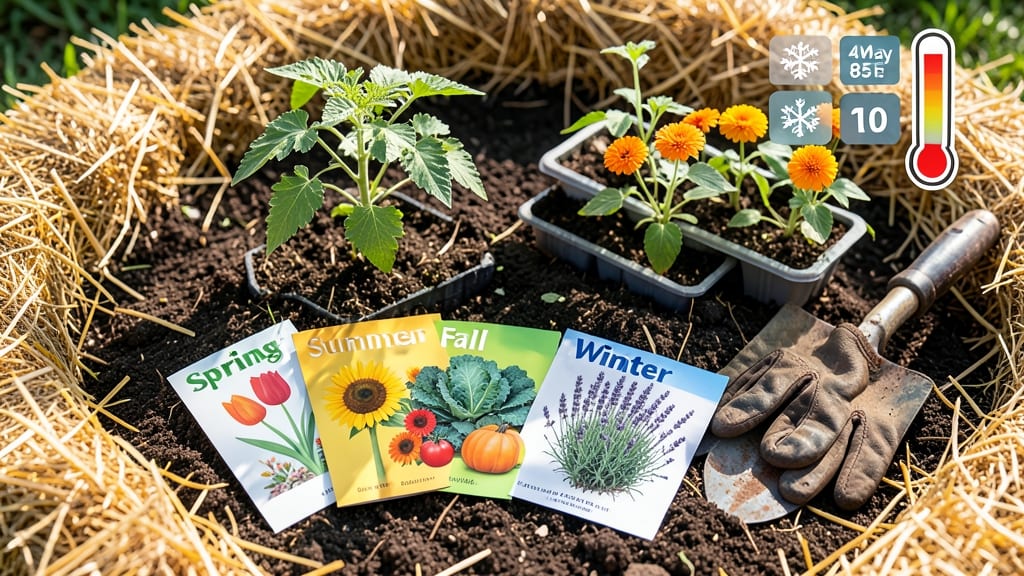
Planting your garden in Colorado at the right time means the difference between a thriving harvest and a frost-nipped disappointment — and the exact window depends on your elevation.
Colorado’s diverse elevation zones create unique gardening challenges—planting too early can mean frost damage, while waiting too long risks stunted growth. Whether you’re in the Front Range, the Western Slope, or the Eastern Plains, timing is everything.
This guide breaks down the frost-free dates by zone, so you can plant cool-season crops like spinach and peas as soon as the soil warms, and warm-season favorites like tomatoes and peppers after the last frost has passed.
Discover how to adjust for microclimates, from urban heat islands to high-altitude gardens, and learn the best early-season vegetables for Colorado’s short growing season.
Colorado’s frost-free dates by elevation zone: what you need to know
Colorado’s elevation zones dramatically impact planting times—what works in Denver (5,280 ft) fails at Aspen (7,800 ft). The Front Range averages 100-120 frost-free days, while the Western Slope stretches that to 140-160 days.
Understanding these zones helps you avoid late spring frosts that can kill tender seedlings or early fall frosts that stunt warm-season crops.
Your planting window hinges on two critical dates: the last average spring frost (when warm-season crops like tomatoes can safely go in) and the first average fall frost (when you must harvest or protect sensitive plants).
These dates shift 2-3 weeks earlier at lower elevations and 4-6 weeks later in mountain regions. Let’s break it down by zone so you can plan with confidence.
Pro Tip: Use black plastic mulch or row covers to extend your season by 2-4 weeks in cooler zones. Even a 10°F temperature bump from mulch can mean the difference between a thriving basil plant and a frost-killed one.
| Elevation Zone | Last Spring Frost | First Fall Frost | Frost-Free Days | Cool-Season Planting | Warm-Season Planting |
|---|---|---|---|---|---|
| Front Range (4,000–6,500 ft) | April 15–May 1 | September 20–October 5 | 120–140 days | March 1–April 15 | May 15–June 1 |
| Western Slope (3,500–7,000 ft) | April 1–April 15 | October 1–October 15 | 160–180 days | February 15–March 30 | April 15–May 10 |
| Eastern Plains (3,500–5,000 ft) | April 10–April 20 | September 10–September 25 | 140–160 days | February 28–April 1 | April 20–May 5 |
| Mountain Regions (7,000–9,000 ft) | May 15–June 1 | September 5–September 15 | 80–100 days | April 15–May 1 | June 15–July 1 |
Note: Dates vary yearly—always check local CoCoRaHS reports or Colorado State University Extension updates for real-time adjustments.
In the Front Range, where Denver sits, you’ll find the most predictable frost dates, making it ideal for beginner gardeners. Start cool-season crops like spinach and peas as early as March 1, but wait until May 15 to plant tomatoes and peppers.
The Western Slope, with its longer growing season, lets you plant warm-season crops as early as April 15—perfect for early tomatoes and cucumbers.
On the Eastern Plains, where wind and drought are bigger concerns than frost, focus on drought-tolerant crops like zucchini and black-eyed peas. Plant cool-season crops by February 28 and warm-season crops by April 20 to avoid late frosts.
Use windbreaks to protect tender seedlings from Chinook winds, which can dry out soil and stress plants.
High-altitude gardens above 7,000 feet face the toughest challenges, with shorter seasons and cooler soils. Prioritize fast-maturing varieties like bush beans (50 days) and radishes (25 days). Plant cool-season crops in April and warm-season crops in late May to avoid early fall frosts.
Consider container gardening to move plants indoors or into greenhouses before the first frost.
For urban gardeners in cities like Fort Collins or Boulder, microclimates can shift frost dates by 1-2 weeks. South-facing walls or dark pavement can create heat islands that extend your season by 10-14 days.
How to adjust planting timing for Colorado’s microclimates
Colorado’s microclimates can shift planting windows by weeks—even within the same city. Urban heat islands in Denver may warm up earlier than high-altitude gardens in Boulder, while the Eastern Plains face different frost risks than the Western Slope.
Understanding these variations helps you avoid common mistakes like planting tomatoes too soon or missing the window for fall broccoli.
I’ve gardened in Colorado for over a decade, and the key is flexibility. While the USDA Zone 5-7 guidelines give a baseline, your specific location—whether it’s a sunny courtyard or a shady mountain slope—demands adjustments.
Let’s break down how to fine-tune your planting schedule for Colorado’s most challenging growing conditions.
Use black plastic mulch or clear plastic tunnels to warm soil 2-3°F faster in cool microclimates. For high-altitude gardens, try straw mulch (3-4 inches) to insulate roots from late spring frosts.
On the Eastern Plains, use row covers or cloche bells to shield seedlings from 30+ mph winds. Anchor covers with bricks or sandbags—they’ll flap violently otherwise!
Plant fast-maturing crops (radishes, bush beans) in succession every 2 weeks. Save slow growers (squash, corn) for after May 15th in most zones to avoid early September frosts.
In Denver or Colorado Springs, plant heat-tolerant varieties (Okra, Swiss chard) and use shade cloth (30-50%) to protect greens. Water deeply in early morning to reduce evaporation.
For high-altitude gardens (5,000+ ft), extend your season by starting seeds indoors 6-8 weeks before your last frost date. I’ve had success with peppers and eggplants using a seedling heat mat—they need that extra warmth to germinate reliably.
Test your soil temperature with a soil thermometer; aim for 60°F+ for warm-season crops.
Don’t overlook fall planting—it’s your secret weapon against Colorado’s short growing season. Plant cool-season crops like spinach and kale in late July or early August for harvests before the first frost. Use mulch heavily (straw or leaves) to insulate roots and keep soil moist during dry spells.
Pro tip: Keep a gardening journal to track your local microclimate’s quirks. Note when your tomatoes ripen or peas bolt—these observations will help you refine your timing year after year. With these adjustments, you’ll beat Colorado’s unpredictable weather and enjoy a bountiful harvest! 🌱