
Planting
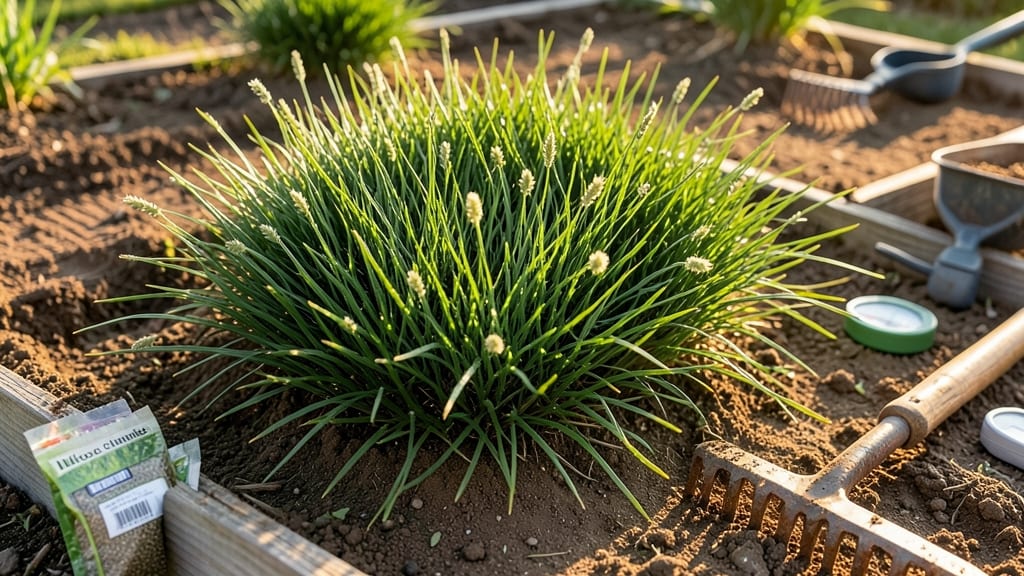
To plant grass seed in Illinois at the right time means the difference between a lush, green lawn and a patchy, frustrating mess 🌱 — aim for early spring or early fall for the best results.
If you’ve ever spread seed in sweltering summer heat or freezing spring mornings, you know how quickly it can go wrong. The key? Soil temperatures between 50°F and 60°F and a frost-free window that lasts at least 4-6 weeks for strong root growth.
Illinois’ USDA zones 5-6 mean your timing depends on whether you’re in Chicago’s cooler north or southern Illinois’ milder climate. I’ll break down the exact frost-free dates by region and how to prep your soil for success.
You’ll also discover the best grass types for your area, how often to water (and when to stop), and the one trick that keeps weeds from taking over before your lawn fills in.
Best planting windows in Illinois by region (northern vs southern)
Illinois' climate varies dramatically from the northern Chicago region to the southern areas near St. Louis, meaning your grass seed timing should match your microclimate. Northern Illinois (USDA Zone 5) has earlier frosts and cooler soils, while southern Illinois (Zone 6) enjoys longer growing seasons.
Planting outside these windows risks poor germination or weed competition.
For cool-season grasses (like Kentucky bluegrass and tall fescue), the ideal planting window is 4-6 weeks before the first frost or 4-6 weeks after the last frost. In Illinois, this typically means early spring (March-April) or early fall (September-October), but exact dates shift 10-14 days between regions.
Soil temperature is critical—grass seed needs 50-60°F soil temps to germinate. In northern Illinois, soils may not warm enough until late April, while southern Illinois can start as early as mid-March. Use a soil thermometer to confirm readiness before seeding.
Here’s how to align your planting with Illinois’ frost-free windows and soil conditions for each region:
For northern Illinois, aim to seed after April 15 to avoid late frosts.
In Chicago, September 1-15 is ideal for fall planting, giving grass 6-8 weeks to establish before winter. Southern Illinois gardeners can start as early as March 15 in spring or August 20 in fall, thanks to warmer soils.
Miss the ideal window? You can still plant in late spring (May) or late summer (August), but expect slower establishment and higher weed pressure. Avoid planting in June or July—summer heat stresses young grass, and dormancy may set in before roots strengthen.
Pro tip: Test your soil 2-3 inches deep with a soil thermometer at 10 AM (when temps are stable). If it’s below 50°F, wait 1-2 weeks—cold soils delay germination. In dry years, prioritize fall planting when rainfall is more reliable.
Remember, cool-season grasses thrive in Illinois’ climate, but warm-season grasses (like Bermuda) need soil temps above 65°F—plant these in late spring (May-June) only in southern Illinois. For most lawns, fall seeding yields the best results with 90%+ germination rates.
🌱
Soil temperature & moisture requirements for grass seed germination
Getting your soil temperature and moisture levels right is the secret to successful grass seed germination in Illinois. Most grass seeds need soil temps between 50°F and 60°F to sprout consistently.
In Illinois, this typically means planting in early spring (March-April) or early fall (September-October), when daytime temps are mild but nights stay above freezing.
If you plant when soil is too cold (<50°F), seeds may rot before germinating. Too hot (>70°F), and they dry out too quickly. Illinois’ humidity and rainfall patterns also play a role—fall often provides ideal conditions with cooler temps and steady moisture, while spring can be unpredictable with sudden heat waves.
| Condition | Ideal Range | Illinois Timing | Testing Method |
|---|---|---|---|
| Soil Temperature | 50°F–60°F | Early spring/fall | Use a soil thermometer 2" deep |
| Moisture Level | Consistently damp | After rain or irrigation | Squeeze soil—should hold shape but not be soggy |
| Sunlight Hours | 6+ hours daily | Spring/fall (avoid summer heat) | Observe shade patterns |
| Germination Time | 7–21 days | Faster in fall | Track seedling appearance |
To test your soil temperature, use a simple soil thermometer inserted 2 inches deep. In Illinois, northern areas like Chicago may need to wait until late April for consistent soil warmth, while southern regions like Springfield can start as early as mid-March.
For moisture levels, aim for soil that’s damp like a wrung-out sponge—neither bone-dry nor waterlogged.
Fall planting often works better in Illinois because cooler temps reduce water evaporation and weed competition. Seeds sown in September can germinate before winter, giving them a head start in spring.
If planting in spring, wait until after the last frost (usually mid-April) and monitor soil moisture closely during dry spells.
After sowing, keep the soil consistently moist for the first 2 weeks—this is critical for germination. In Illinois’ variable climate, mulching with straw can help retain moisture during dry spells. Avoid overwatering, which can lead to seed rot or fungal issues like brown patch, common in humid summers.
Remember, cool-season grasses (like Kentucky bluegrass) thrive in Illinois’ climate and germinate best in these temperature ranges. Warm-season grasses (like Bermuda) prefer 75°F–85°F and are best planted in late spring, but they’re less common in northern Illinois due to winter dieback.
With the right soil conditions and timing, your grass seed will sprout within 7–21 days, giving you a lush lawn by summer. Pay attention to Illinois’ microclimates—urban areas may stay warmer longer than rural spots, so adjust your planting schedule accordingly. 🌱