
Plants
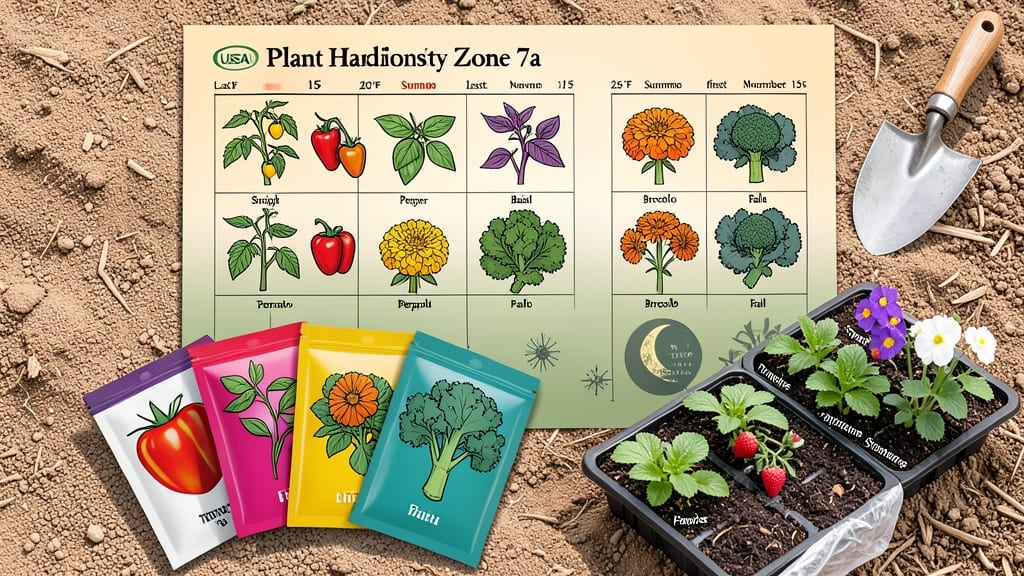
To plant in Zone 7a, start with cool-season crops like lettuce and peas in early March, then transition to warm-season vegetables such as tomatoes and peppers after the last frost (mid-April to early May). Late spring (May to June) is ideal for herbs and flowers, with fall planting resuming in September for winter greens and garlic.
Timing your plantings in Zone 7a isn't just about months—it's about matching your garden's needs with nature's cues. 🌱 The key is understanding your last frost date (typically around April 15 in most of Zone 7a), as this determines when to introduce heat-loving plants.
For cool-season crops, starting in March gives them time to establish roots before summer heat arrives, while warm-season vegetables need the soil to warm up (aim for 60°F+).
I've found that container gardens can actually give you a slight advantage—they warm up faster in spring, letting you plant tomatoes and peppers 2-3 weeks earlier than in-ground beds.
What's interesting is how microclimates within Zone 7a can shift these timelines. For example, coastal areas might have earlier last frost dates than inland regions, while shaded spots could delay warm-season planting by 1-2 weeks.
Always check your specific county's frost data and monitor soil temperatures—this small extra effort can mean the difference between thriving plants and struggling seedlings.
💡 In This Article
- Zone 7a Planting Timelines by Crop Type
- Adjusting Planting Schedules for Zone 7a Microclimates
Zone 7a planting timelines by crop type
Cool-season vegetables like lettuce, spinach, and kale thrive when soil temperatures hover between 45-65°F, making early March the perfect window to start seeds indoors or sow directly into the garden.
These crops have a natural cold tolerance that allows them to germinate even when air temperatures dip below 50°F. The key is planting 6-8 weeks before your last frost date—typically around April 15 in Zone 7a—to ensure they mature before summer heat arrives.
Peas, another cool-season favorite, can handle even lighter frosts (25-30°F) once established, giving them a broader planting window from late February through early April.
Warm-season vegetables like tomatoes, peppers, and eggplants demand soil temperatures above 60°F for successful germination, which is why waiting until after the last frost (mid-April to early May) is critical. These plants are sensitive to cold, and seedlings can rot if exposed to temperatures below 50°F.
To maximize growth, I recommend using black plastic mulch or row covers to warm the soil 5-10°F faster than bare ground.
Herbs like basil and cilantro also prefer warmth but can handle slightly cooler conditions—basil thrives in 70-80°F soil, while cilantro prefers 60-65°F, making late spring (May to June) ideal for sowing.
Flowers follow a similar pattern, with cool-season varieties like pansies and snapdragons planted in early spring, while sunflowers and marigolds wait until late May or early June. The difference here is that many flowers have a broader temperature tolerance, allowing for staggered plantings.
For example, zinnias can handle soil temperatures down to 55°F, so you can start them 2-3 weeks before tomatoes without risking failure. This flexibility lets you extend your blooming season by planting successive batches every 2-3 weeks through early summer.
Fall planting in Zone 7a kicks off in September with hardy greens like kale and arugula, which can withstand light frosts (28-32°F). The goal is to sow seeds 8-10 weeks before your first expected frost (typically mid-November), giving them time to mature before winter sets in.
Garlic, another fall favorite, requires a 12-14 week growing period, so planting in October ensures bulbs have enough time to develop properly. The soil temperature threshold for these crops is 50-60°F, which aligns perfectly with Zone 7a's cooling autumn patterns.
One often-overlooked factor is the role of vernalization—the process where some plants (like onions and cabbage) require cold exposure to trigger flowering.
These biennials need 4-6 weeks of temperatures below 50°F during their first growing season, which is why planting them in early spring or fall ensures they'll produce edible bulbs or heads the following year. Understanding these biological cues can turn a good harvest into an exceptional one.
For container gardeners, soil temperature thresholds shift slightly because containers warm up 2-3°F faster than in-ground beds. This means you can plant warm-season crops like tomatoes 1-2 weeks earlier in containers, giving them a head start on the season.
Just be prepared to move pots to a sheltered spot if a late frost threatens—these early seedlings are far more vulnerable than their in-ground counterparts.