
Plants
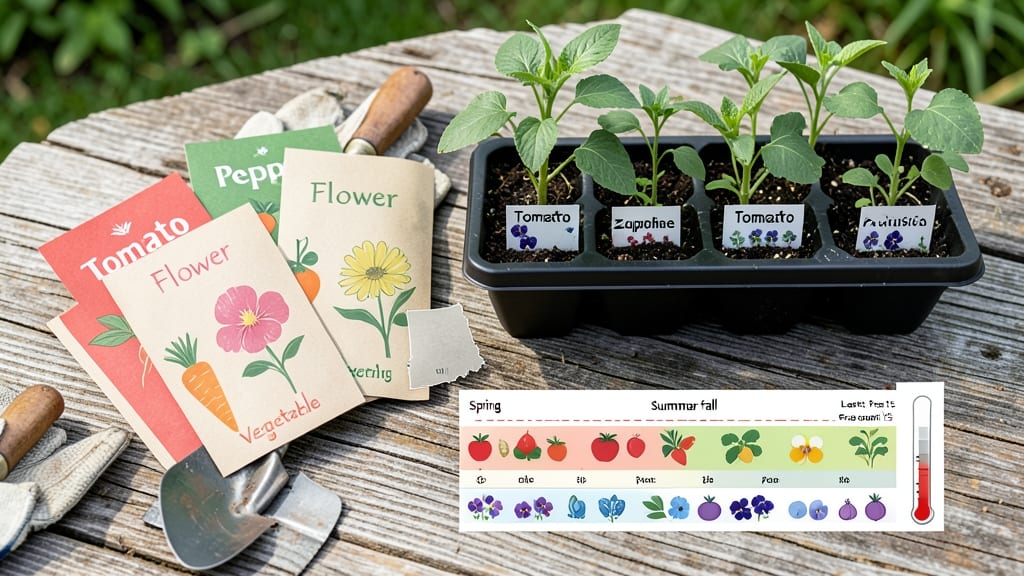
To plant in Indiana, time your crops by frost dates: cool-season vegetables like lettuce and onions go in after the last spring frost (typically mid-April in southern Indiana and late April in northern areas), while warm-season plants such as tomatoes and cucumbers should wait until soil warms to 60°F (usually mid-May). Always verify with your local USDA Zone 5-6 frost calendar for exact timing.
Indiana's planting schedule hinges on two critical factors: frost timing and soil temperature. 🌱 The state's USDA Zones 5-6 create slight variations, but most gardeners can expect their last spring frost between April 15-30, depending on elevation.
Microclimates near lakes or urban areas may push these dates earlier by a week or more. For warm-season crops, soil thermometers are your best friend—waiting for 60°F ensures strong root development before transplanting.
I've found that checking the National Weather Service's frost prediction maps each year helps me adjust my schedule when unusual weather patterns occur.
Pro tip: Start seeds indoors 6-8 weeks before your expected last frost date for early harvests. For example, if you're planting tomatoes in late May, begin seeds around March 15 under grow lights.
This head start gives your plants the competitive edge they need to outpace weeds and pests once transplanted. 🔥
💡 In This Article
- Indiana Frost Dates by USDA Zone 5 and 6
- Best Crops to Plant in Indiana by Season
Indiana frost dates by USDA Zone 5 and 6
Indiana's frost patterns are primarily dictated by the state's USDA Zones 5 and 6, but the real magic happens in the 10-14 day window around the average last spring frost.
For southern Indiana (Zone 6), this typically falls between April 15-20, while northern areas (Zone 5) see their last frost around April 25-May 1.
These dates aren't set in stone—they're based on 30-year averages from the National Oceanic and Atmospheric Administration (NOAA), which means your actual frost date could be 2 weeks earlier or later depending on weather patterns.
The science behind frost timing involves a fascinating interplay of temperature, humidity, and solar radiation. Frost occurs when the air temperature drops to 32°F (0°C) or lower, but the presence of moisture in the air can lower this threshold to 28°F (-2°C) through a process called "radiation frost."
Indiana's flat terrain means cold air settles uniformly, but microclimates near bodies of water or urban areas can create 5-10°F warmer pockets. For example, areas near Lake Michigan often experience their last frost 7-10 days earlier than inland regions at the same latitude. 🌡️
Understanding these variations is crucial because planting too early can result in frost damage to tender seedlings. For instance, if you plant warm-season crops like peppers on May 1 in northern Indiana and a late frost hits on May 10, your plants may suffer stunted growth or even die.
Conversely, planting cool-season crops like broccoli after the last frost means they'll bolt (flower prematurely) in Indiana's 80-90°F summers. The key is matching your planting schedule to the 10-year frost history for your specific location, which you can find through the Midwestern Regional Climate Center.
For fall planting, the first frost typically arrives between October 15-30, with northern Indiana seeing frost 1-2 weeks earlier than southern areas. This creates a 3-4 month window for growing cool-season crops like kale and carrots.
The trick is to plant succession crops every 2-3 weeks starting in early summer to ensure a continuous harvest before frost.
For example, if you plant a 60-day variety of spinach on June 15, you'll have baby greens ready by August 15, just as summer's heat begins to wane.
Elevation also plays a subtle but important role. Areas just 100-200 feet higher than their surroundings can experience frost 3-5 days earlier in spring and later in fall.
This is why gardeners in hilly regions like southern Indiana's Blue River Valley should err on the side of caution, waiting an extra 5-7 days after their neighbors before planting frost-sensitive crops.
Using a minimum-maximum thermometer buried in your garden bed can give you precise soil temperature data to make these critical decisions.
Historical data shows that Indiana's frost dates have shifted slightly over the past century due to climate change. The average last spring frost has moved 1-2 weeks earlier in some areas, while the first fall frost may arrive 1 week later.
This means traditional planting guides might be 2-4 weeks off if you're relying on outdated information. Always cross-reference with local cooperative extension service reports and consider using frost-sensitive plants like basil or tomatoes as natural indicators—if they survive overnight temperatures in mid-April, you're likely safe to plant warm-season crops.