
Plants
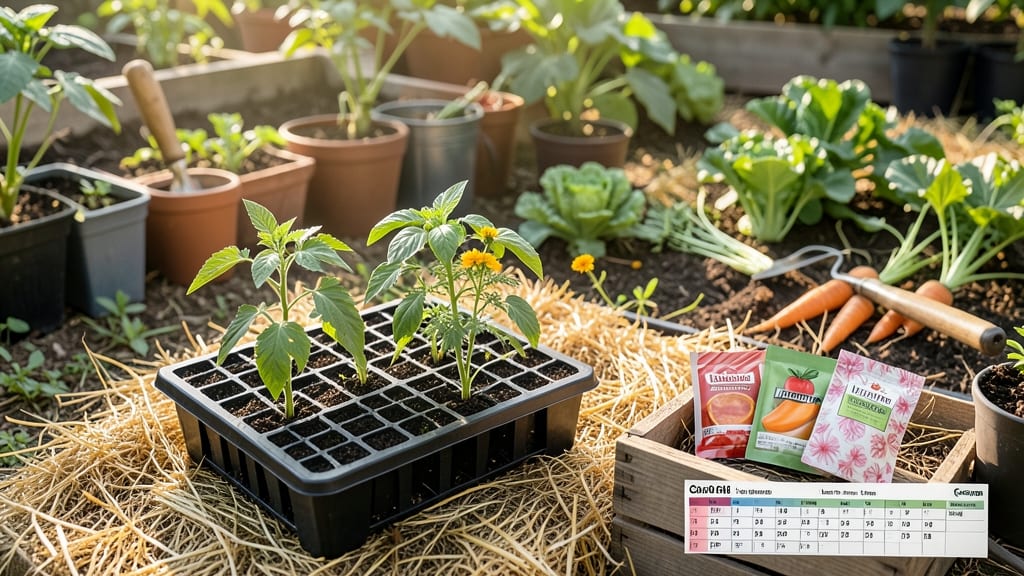
Planting in North Carolina varies by hardiness zone and crop type: cool-season vegetables like spinach and lettuce should go in during early spring (March–April) or fall (September–October), while warm-season plants such as tomatoes and peppers need to wait until after the last frost (typically May–June). Always verify your local frost dates for accuracy.
North Carolina's diverse climate—spanning USDA hardiness zones 7a–8b—means frost timing shifts dramatically from the mountains to the coast. 🌱 For example, Asheville's last frost often hits April 15, while Wilmington may see its final freeze as late as March 15.
This variation explains why cool-season crops like kale can thrive in Zone 7b gardens by mid-March, while the same plants in Zone 8a might need to wait until February.
Warm-season plants, however, demand patience: even in Zone 8b, tomatoes planted before May 1 risk frost damage, so gardeners use row covers or wait for soil temperatures to hit 60°F consistently.
Pro tip: Use the NC State Extension's frost date calculator to pinpoint your exact window—it accounts for microclimates like urban heat islands or sheltered valleys. For instance, a backyard in Raleigh might be 2–3 weeks warmer than the official Zone 7b average, allowing earlier planting of peppers.
The key is balancing urgency (cool-season crops bolt in heat) with caution (warm-season plants wilt in cold snaps).
💡 In This Article
- North Carolina Hardiness Zones and Frost Timing
- Planting Calendar for NC Vegetables, Flowers, and Herbs
North Carolina hardiness zones and frost timing
North Carolina's planting seasons hinge on its USDA hardiness zones 7a–8b, which create dramatic temperature contrasts.
The mountains (Zone 7a) experience colder winters with later last-frost dates (often April 15–May 1), while the coastal plains (Zone 8a–8b) see milder winters and earlier springs (last frost around March 1–March 15).
This variation stems from elevation: every 1,000 feet gain drops average temperatures by 3.5–5°F, delaying warm-season planting in the Blue Ridge by 3–4 weeks compared to the Piedmont.
The science behind frost timing involves atmospheric patterns. Cold air sinks and pools in valleys, creating microclimates where frost lingers longer. For example, Asheville's Zone 7b averages 200 frost-free days, while Wilmington's Zone 8a enjoys 240+ days.
These differences explain why gardeners in the mountains might start cool-season crops like broccoli in late February, while coastal gardeners can plant in January.
Soil temperature also matters: warm-season plants like cucumbers won't germinate until soil reaches 60°F, which typically occurs 2–4 weeks after the last frost in most of NC.
Regional frost patterns create planting paradoxes. In Zone 7a, early spring planting of peas or lettuce risks frost damage if temperatures dip below 28°F, while Zone 8b gardeners can plant warm-season crops like okra as early as March 15.
The NC State Climate Office tracks these variations, noting that urban areas like Raleigh can be 5–10°F warmer than rural zones, allowing earlier planting. This urban heat island effect means city gardeners might plant tomatoes 10–14 days earlier than their rural counterparts.
For precision, use the NC State Extension's frost date calculator, which accounts for local topography. For instance, a garden in Zone 7b near a lake might experience 10% fewer frost days due to water's heat retention.
This tool reveals why some gardeners in Zone 8a can plant sweet potatoes in February, while others 50 miles inland must wait until March 15. The key is matching planting windows to your specific microclimate.
Understanding these patterns helps avoid common mistakes. Many NC gardeners assume their zone dictates planting dates, but microclimates often override official averages. For example, a south-facing slope in Zone 7a might warm 1–2 weeks earlier than the official last-frost date.
Conversely, frost pockets in valleys can delay planting by 2–3 weeks even in Zone 8b. Observing local frost patterns for 3–5 years yields more accurate planting windows than relying solely on zone maps.
Here's a quick reference for NC's frost-free averages by region:
- Mountains (Zone 7a–7b): Last frost April 15–May 1, first frost October 15–November 1
- Piedmont (Zone 7b–8a): Last frost March 15–April 1, first frost October 15–November 15
- Coastal Plains (Zone 8a–8b): Last frost March 1–March 15, first frost November 15–December 1
These ranges explain why cool-season crops like cabbage thrive in Zone 7a from March–May and September–November, while Zone 8b gardeners can extend fall planting into December. The science of frost timing transforms gardening from guesswork into a precise, rewarding practice. 🌿