
Plants
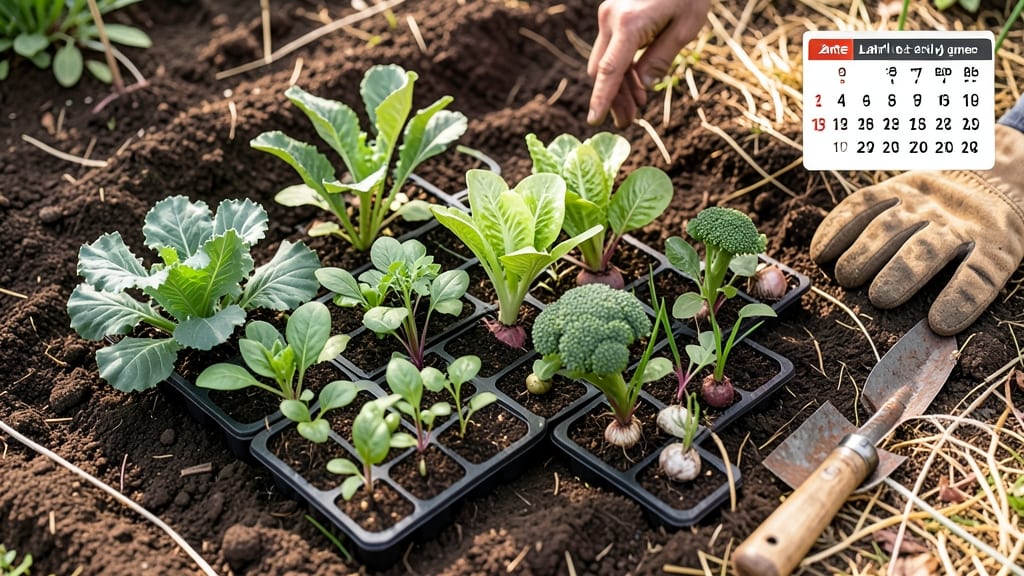
To plant in Zone 4B, time your cool-season crops like lettuce and radishes 4-6 weeks before the average last spring frost (mid-April), and warm-season crops such as cucumbers and basil after the last frost (late May to early June). Always verify local frost dates for accuracy.
Timing your plantings in Zone 4B all comes down to understanding your last spring frost date—typically around mid-April—and your first fall frost, which usually hits in mid-October. 🌱 These dates create your planting windows: cool-season crops thrive when soil temperatures rise but before the ground warms too much, while warm-season varieties need the soil to stay consistently above 50°F.
I've found that using a frost calendar from your county extension office can save you from costly mistakes, especially in years with early frosts. Microclimates near bodies of water or south-facing slopes can also shift your planting window by 1-2 weeks.
For example, spinach and peas should go in the ground by early April, while tomatoes and peppers won't tolerate frost, so they need to wait until after Memorial Day weekend. Some gardeners in Zone 4B also use row covers to extend the season for heat-loving plants like eggplants.
The key is matching your crop's hardiness zone with your local frost patterns—not every Zone 4B area is identical!
💡 In This Article
- Zone 4B Frost Dates and Their Impact on Planting
- Best Crops to Plant in Zone 4B by Month
Zone 4B frost dates and their impact on planting
The science behind frost timing in Zone 4B revolves around two critical thresholds: the average last spring frost (usually mid-April) and the first fall frost (typically mid-October). These dates aren't arbitrary—they reflect the point where nighttime temperatures consistently drop below 32°F, killing tender plants.
The National Weather Service tracks these averages over 30-year periods, but your actual frost dates can vary by 1-3 weeks from year to year. 🌡️
Soil temperature plays a hidden but crucial role. Most cool-season crops (like kale or carrots) need soil to warm to 40-50°F before planting, while warm-season varieties (tomatoes, squash) require at least 60°F to germinate properly.
A soil thermometer is your best friend here—planting too early when the ground is still cold can lead to rot or poor growth, even if air temperatures seem mild. Microclimates also shift these windows: a south-facing slope might warm 2-3 days faster than a shady northern exposure.
What happens when frost comes early? That's where row covers or cold frames become game-changers. These tools can extend your growing season by 2-4 weeks by trapping heat and preventing frost damage.
For example, I've seen gardeners in northern Michigan successfully grow broccoli into late October using floating row covers, even when the forecast called for frost. The key is monitoring your local 10-day forecast and having these protective measures ready.
Don't overlook the planting window after last frost. While tomatoes can handle a light frost, their growth stalls below 50°F, so waiting until soil temperatures consistently stay above 60°F (usually late May) gives them the best start.
This is why many Zone 4B gardeners use starter plants instead of seeds—they have a shorter window to establish before fall frosts arrive.
Here's a pro tip: track your actual frost dates for 3-5 years to build your own local calendar. I've seen gardeners in Zone 4B's northern edge (like Duluth, MN) plant peas by March 15th while those in southern Zone 4B (like Cincinnati, OH) wait until April 1st.
The difference? 100 miles and a 2-week temperature shift. 🌱
For warm-season crops, the 100-day rule applies: count back from your first fall frost date.
If you have 120 days until frost, you can plant tomatoes that mature in 80 days—but if you only have 90 days, opt for faster varieties like 'Early Girl' (70 days) instead of 'Brandywine' (90 days).
This simple math prevents wasted effort on plants that won't mature before frost.