
Planting
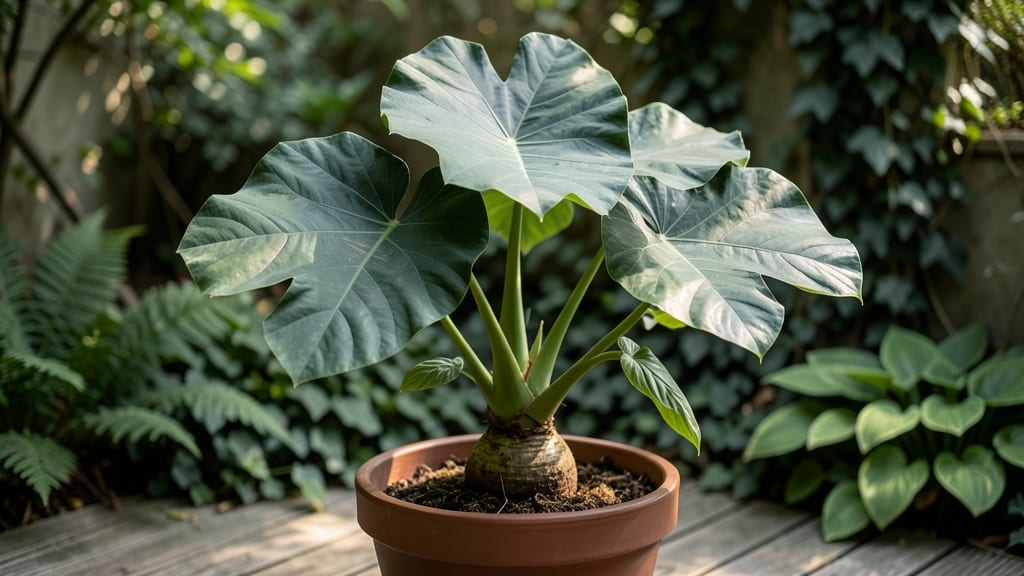
That five-leaf plant that looks like pot with a cannabis-like silhouette isn’t illegal—it’s Coffee Senna (Senna occidentalis), a fast-growing shrub that thrives in sunny spots. 🌿 I’ve grown it for years, and its bold, serrated leaves and airy branches make it a standout in any garden bed or container.
This plant is foolproof for beginners: it tolerates poor soil, drought once established, and even urban heat. Just give it full sun to partial shade and water when the top inch of soil dries out. No fancy fertilizers needed—it’s happy with average garden soil.
You’ll love how it fills space quickly (up to 6 feet tall) while attracting pollinators. For a non-toxic alternative, try Alocasia or Monstera—both have dramatic foliage without the caffeine-like compounds. Perfect for borders, screens, or even as a low-maintenance houseplant in bright rooms.
Here’s how to keep it thriving all season!
Understanding Leaf Distortions
When your plant starts resembling a five-leafed "pot" instead of its natural form, it’s usually a sign of stress or environmental misalignment. Let’s break down the real culprits behind this odd transformation—because knowing the why is the first step to fixing it.
If your plant’s leaves swell, darken, or develop a pot-like shape, excess moisture is likely the issue.
Cannabis lookalikes (like Humulus lupulus—hops—or Mimulus—monkeyflower) thrive in well-draining soil, but soggy conditions trigger: - Cellular swelling from oxygen deprivation (roots can’t breathe). - Fungal infections (e.g., Phytophthora), which distort growth patterns. - Nutrient imbalance—too much water dilutes essential minerals, causing stunted, thickened leaves.
Actionable fix:
- Test soil moisture with your finger—if the top 2 inches stay damp for >48 hours, cut back.
- Upgrade pots with drainage holes or mix in perlite/pumice (20-30% of soil volume).
- Avoid saucers unless emptied daily—standing water = root rot express.
Plants are sensitive to extreme heat or cold, and sudden shifts can warp leaves into that "pot-shaped" look.
Here’s how: - Cold snaps (<50°F/10°C) slow metabolism, causing chlorosis (yellowing) and thickened, curled edges. - Hot spells (>90°F/32°C) lead to leaf scorch—edges crisp and pucker like a dried-up pot leaf. - Inconsistent light (e.g., moving plants frequently) confuses growth hormones, triggering abnormal cell division.
Actionable fix:
- Monitor microclimates—use a soil thermometer to track root-zone temps (ideal: 65–75°F/18–24°C).
- Provide shade cloth (30–50%) if in full sun; grow lights (12–16 hrs/day) for indoor setups.
- Hardening off plants gradually if transitioning outdoors (acclimate over 7–10 days).
Leaves that look like they’ve been squished into a pot shape often signal nutritional chaos.
Common offenders: - Nitrogen (N) overload → Dark, thick, slow-growing leaves (plant thinks it’s a weed!). - Magnesium (Mg) deficiency → Interveinal yellowing + distorted edges (chlorophyll can’t form properly). - Calcium (Ca) imbalance → Leaf tips curl and harden (like a pot’s rim), a classic sign of blossom-end rot in some plants.
Actionable fix:
- Flush soil with water if using synthetic fertilizers (over-fertilizing is a top cause).
- Test soil pH (ideal: 6.0–7.0 for most cannabis lookalikes)—locks out nutrients at extremes.
- Use chelated micronutrients (like Epsom salt for Mg) if deficiencies appear.
Hidden invaders can physically deform leaves into that pot-like shape:
- Spider mites or aphids suck sap, causing stunted, puckered growth.
- Powdery mildew (white fungal film) distorts leaves by clogging stomata (breathing pores).
- Root-knot nematodes (microscopic worms) stunt roots, leading to upward-curling leaves.
Actionable fix:
- Inspect undersides of leaves for webbing, sticky residue (honeydew), or white powder.
- Spray neem oil (1 tsp/quart water) weekly for pests; baking soda spray (1 tbsp + 1 tsp oil) for mildew.
- Rotate crops yearly to break nematode cycles.
Not all "pot-shaped" leaves are a problem—some plants naturally grow this way!
- Variegated varieties (e.g., Hops ‘Aura’) may have thicker, irregular leaves due to chlorophyll mutations.
- Dwarf or compact cultivars (like Mimulus ‘Sky Rocket’) have smaller, rounded leaves by design.
Actionable fix:
- Research your plant’s species—check seed packets or grower notes.
- Compare to healthy examples—if others in your garden look normal, it’s likely genetic!
Pro Tip: 💡 Keep a plant journal—note watering, light, and soil changes alongside leaf transformations. Patterns emerge fast, and you’ll spot fixes before they become crises!
Quick Fixes For Leafy Lookalike
If your five-leaf plant resembles a cannabis plant more than a lush ornamental, don’t panic—there’s a solution for every cause! Below, we’ve mapped out practical fixes based on the most common issues, along with prevention tips to keep your plant thriving.
Fix: Let the soil dry out between waterings.
- Step 1: Gently remove the plant from its pot to check the roots. Healthy roots should be white or light tan; mushy or black roots signal overwatering.
- Step 2: Repot in fresh, well-draining soil mixed with perlite or sand (aim for a 60/40 soil-to-amendment ratio).
- Step 3: Water only when the top 1–2 inches of soil feel dry. Stick your finger in—if it’s damp, wait a few more days.
- Step 4: Ensure the pot has drainage holes. If not, drill them or switch to a pot with built-in drainage.
Prevention Tips: ✔️ Use a moisture meter to avoid guesswork. ✔️ Choose pots with drainage holes (terracotta or ceramic work best). ✔️ Group plants together to create a naturally humid microclimate—but avoid soggy soil.
Fix: Adjust light exposure and protect from extreme heat.
- Step 1: Move the plant to a spot with partial shade (4–6 hours of morning sun is ideal).
- Step 2: If leaves are scorched, trim the damaged parts with clean scissors.
- Step 3: Mist the leaves lightly in the morning to cool them down (avoid evening misting to prevent fungal growth).
- Step 4: Use a shade cloth (30–50% coverage) if outdoor temps exceed 90°F (32°C).
Prevention Tips: 💡 Monitor leaf color—yellowing or crispy edges mean too much sun. 🌡️ In hot climates, water deeply in the early morning to reduce evaporation.
Fix: Reset the soil and adjust feeding.
- Step 1: Flush the soil with water to remove excess salts (run water through the pot until it drains clean).
- Step 2: Repot in fresh, balanced potting mix (look for a formula labeled for ornamental plants).
- Step 3: Fertilize lightly—use a diluted liquid fertilizer (half-strength) every 4–6 weeks during growing season (spring–fall). Avoid fertilizing in winter.
Prevention Tips: ✨ Choose a slow-release fertilizer to avoid spikes in nutrients. 📊 Test soil pH (ideal range: 6.0–7.0 for most ornamental plants).
Fix: Isolate and treat the plant ASAP.
- Step 1: Isolate the plant to prevent pests from spreading.
- Step 2: Wipe leaves with a neem oil solution (1 tsp neem oil + 1 quart water + a drop of dish soap) using a soft cloth or spray bottle.
- Step 3: For severe infestations, use insecticidal soap (follow label instructions).
- Step 4: Introduce beneficial insects like ladybugs or lacewings to naturally control pests.
Prevention Tips: 🔥 Inspect new plants before bringing them indoors. 🌿 Keep the area around your plant clean—remove fallen leaves and debris.
Fix: Create a stable microclimate.
- Step 1: If humidity is too low (common in dry climates), place a tray of water with pebbles near the plant.
- Step 2: For wind exposure, move the plant to a sheltered spot or use a windbreak (like a lattice or fence).
- Step 3: Group plants together to retain moisture naturally.
Prevention Tips: 🌡️ Use a hygrometer to monitor humidity (ideal range: 40–60%). 🎯 Avoid placing the plant near vents or air conditioners.
Final Note: Most issues are reversible with quick adjustments! Monitor your plant’s response to changes—healthy growth should return within 2–4 weeks. 🌿✨
Frequently asked questions
Is this plant actually related to cannabis?
No, this five-leaf plant is not related to cannabis. The resemblance comes from plants like Coffee Senna or Humulus lupulus (hops), which have palmate leaves with 5-7 leaflets. These are ornamental plants with no psychoactive properties—perfect for gardens or containers!
Why does my plant look like it’s growing too fast?
Fast growth is normal for these plants, especially with plenty of sunlight and water. They’re opportunistic growers that thrive in warm conditions. If growth seems excessive, trim back leggy stems to encourage bushier, fuller growth and reduce water slightly to slow the pace.
Can I grow this plant indoors?
These plants adapt well to indoor spaces with bright, indirect light. Place near a south-facing window or use grow lights (12-16 hours/day). Use well-draining potting mix and a pot with drainage holes to prevent root rot.
Are there any toxic varieties I should avoid?
Some plants with similar leaves, like Poison Ivy or Poison Oak, are toxic. Stick to non-toxic options like Coffee Senna or Alocasia. Always verify plant identification before bringing it indoors, especially if you have pets or children.
How do I propagate this plant?
Propagation is easy! Take 4-6 inch stem cuttings with a few leaves, remove the lower leaves, and place them in water or moist potting mix. Keep in bright, indirect light and maintain humidity. Roots should form in 2-4 weeks—then transplant to soil!