
Planting
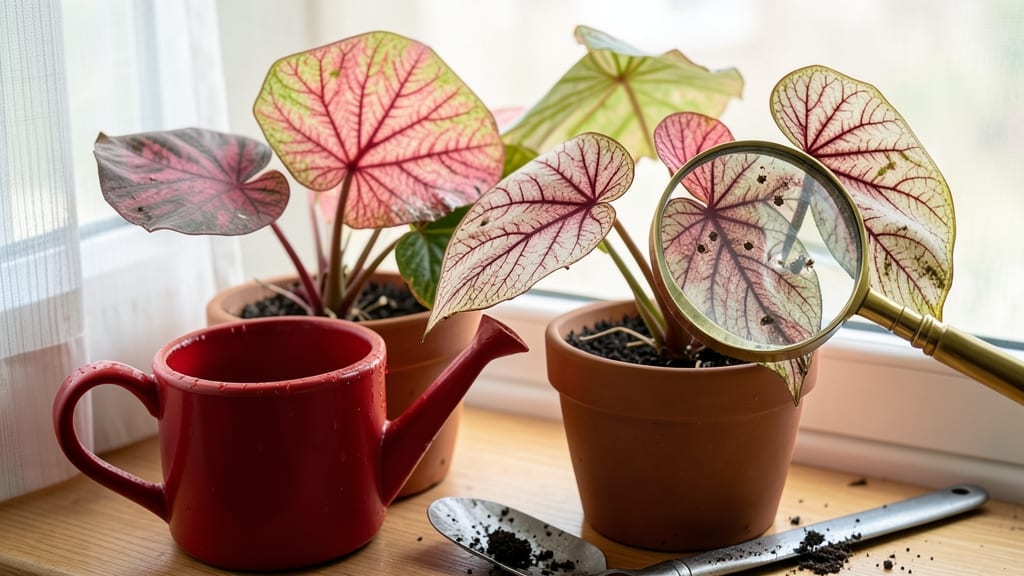
Seeing angel wings plant problems can feel like a death sentence, but it’s almost always fixable in a day. 🌿 The most common culprits are underwatering, root rot, or sudden temperature swings—all of which I’ve battled and conquered in my own collection.
What saves these plants isn’t guesswork but targeted fixes that address the real issue, not just symptoms.
The first step is diagnosing: feel the soil—if it’s bone-dry, you’re underwatering; if it’s soggy, root rot is likely. Overwatering is the silent killer, so I’ve switched to letting the top inch dry out between waterings.
For pests like spider mites, a simple spray of neem oil or insecticidal soap (applied twice, 3 days apart) clears them up without harming the plant.
Within 24 hours, you’ll see a dramatic turnaround—leaves perking up, new growth emerging, and that signature angel-wing pattern returning vibrant. The key is acting fast and checking the roots for rot if the plant feels mushy.
A quick trim of damaged roots and repotting in fresh, well-draining mix sets them back on track.
Prevention is easier than repair: keep them in bright, indirect light, maintain consistent moisture, and avoid drafts. My angel wings now thrive year-round with these simple adjustments—no more wilting drama. Let’s get yours back to lush in no time.
Root Causes of Angel Wings Stress
Your Caladium bicolor—commonly known as the Angel Wings plant—is a stunning tropical beauty, but its delicate foliage is prone to stress. When problems like drooping, yellowing, or browning leaves appear, they’re often signals from the plant’s environment or care routine.
Understanding the why behind these issues is the first step to revival. Below, we break down the most common culprits, backed by science, so you can diagnose and fix the problem fast.
The Angel Wings plant thrives in consistently moist but well-draining soil. When roots sit in soggy conditions, they suffocate due to a lack of oxygen, leading to:
- Root rot: Fungal pathogens like Phytophthora and Pythium thrive in waterlogged soil, breaking down root cells and blocking nutrient uptake. Symptoms: Mushy stems, yellowing leaves, and a foul odor from the soil.
- Nutrient starvation: Overwatered plants can’t absorb essential minerals (like nitrogen or potassium) efficiently, causing leaves to crinkle or droop despite excess moisture.
Why it happens: Angel Wings plants are native to South American rainforests, where they grow in humid, shaded environments with quick-draining soil. In pots, this means:
- Water accumulates at the bottom of the container, especially if drainage holes are missing or clogged.
- Peat-heavy or compacted soil retains moisture too long, mimicking a swampy habitat.
Actionable fix: Let the top 1–2 inches of soil dry out between waterings, and always use a pot with drainage holes. Mix in perlite or orchid bark (20–30%) to improve aeration.
Angel Wings plants are light-sensitive—they need bright, indirect light to photosynthesize but cannot tolerate direct sun. Here’s how lighting gone wrong triggers problems:
| Issue | Why It Happens | Symptoms |
|---|---|---|
| 🔥 Burned leaves | Direct sunlight causes chlorophyll degradation and oxidative stress in cells, leading to crispy, brown edges. | White or yellow patches, papery texture, drooping. |
| 🌑 Leggy, weak growth | Low light reduces photosynthesis efficiency, forcing the plant to stretch toward any available light (etiolation). | Long, thin stems; small, pale leaves; drooping. |
Why it happens: These plants evolved under the dappled shade of forest canopies, where light is filtered through leaves. In homes, south-facing windows or fluorescent lighting can mimic harsh conditions.
Actionable fix:
- Place your plant 3–6 feet from an east- or north-facing window (or under a sheer curtain).
- Supplement with grow lights (12–14 hours/day) if natural light is insufficient.
- Avoid placing near heat vents or AC units, which dry out leaves.
Angel Wings plants are tropical—they hate sudden temperature drops or dry air. Their large leaves transpire (release moisture) rapidly, and when humidity plummets, they wiltingly respond:
- Brown, crispy leaf edges: Low humidity (<40%) causes osmotic stress, where cells lose water faster than roots can replace it.
- Drooping foliage: A drop below 60°F (15°C) slows metabolic processes, including stomatal regulation (how leaves manage water loss).
- Yellowing leaves: Cold drafts (like AC or open windows) can disrupt chlorophyll production, turning leaves pale or yellow.
Why it happens: These plants thrive in 70–85°F (21–29°C) with 50–70% humidity. Common triggers include:
- Heating/cooling systems that create dry air or cold drafts.
- Placing the plant near glass doors or windows, where nighttime temps drop sharply.
- Moving the plant between indoor and outdoor environments without acclimating it.
Actionable fix:
- Use a humidifier or place the pot on a pebble tray with water.
- Avoid placing near vents, doors, or AC units.
- If temps drop below 60°F (15°C), move the plant to a warmer, sheltered spot.
Angel Wings plants are light feeders—too much or too little fertilizer throws off their delicate balance. Here’s how imbalances show up:
| Symptom | Likely Cause | Scientific Reason |
|---|---|---|
| Yellow leaves with green veins | Nitrogen deficiency | Nitrogen is critical for chlorophyll synthesis. Without it, leaves can’t produce enough energy, turning yellow while veins stay green (since they contain more vascular tissue). |
| Purple or reddish undersides | Phosphorus deficiency | Phosphorus aids in energy transfer (ATP production). Under stress, the plant redirects anthocyanins (pigments) to leaves, creating a purplish tint. |
| Brown, crispy tips | Over-fertilization (salt buildup) | Excess salts in soil disrupt cellular osmosis, causing roots to absorb water inefficiently. Leaves lose turgor pressure and dry out. |
Why it happens: These plants grow in nutrient-poor, humus-rich forest floors. Over-fertilizing mimics a chemical burn, while under-fertilizing starves them of essential micronutrients.
Actionable fix:
- Use a balanced, water-soluble fertilizer (10-10-10) only during active growth (spring–summer).
- Dilute fertilizer to half-strength and apply every 4–6 weeks.
- Flush the soil with water monthly to prevent salt buildup.
Quick fixes for angel wings plant struggles
Reviving your angel wings plant (Caladium bicolor) doesn’t have to be a guessing game. Once you’ve pinpointed the issue—whether it’s overwatering, underwatering, low humidity, pests, or light stress—you can take targeted action to nurse it back to health.
Below are practical, step-by-step solutions tailored to each common problem, plus prevention tips to keep your plant thriving long-term.
Signs: Yellowing leaves, mushy stems, foul odor, or roots that smell rotten.
How to Fix It:
🔥 Step 1: Stop Watering Immediately
- Let the soil dry out completely before watering again. Stick your finger 1-2 inches deep—if it’s damp, wait.
🍳 Step 2: Check the Drainage
- If your pot lacks drainage holes, repot the plant into a container with holes. If holes exist but water pools at the bottom, add a layer of perlite or orchid bark to improve airflow.
👨🍳 Step 3: Trim the Affected Foliage
- Use sterilized scissors to snip off yellow, brown, or mushy leaves at the base. This prevents further rot and helps the plant redirect energy.
🥘 Step 4: Repot in Fresh Soil (If Needed)
- If roots are black/mushy, trim them with clean scissors, dust with cinnamon powder (natural antifungal), and repot in well-draining potting mix (add peat moss or coconut coir).
⏰ Step 5: Adjust Your Watering Routine
- Water only when the top 1-2 inches of soil are dry. In summer, this may mean watering every 5-7 days; in winter, every 2-3 weeks.
💡 Prevention Tip:
- Use a moisture meter to avoid overwatering. Angel wings plants hate soggy soil—think "damp, not drenched."
Signs: Crispy, brown edges on leaves, dry soil pulling away from the pot, or wilting foliage.
How to Fix It:
🔥 Step 1: Water Deeply and Slowly
- Place the pot in a sink and water until it drains from the bottom. Avoid quick pours, which can cause runoff without proper absorption.
🍳 Step 2: Increase Humidity Around the Plant
- Angel wings plants love 60-80% humidity. Place the pot on a pebble tray with water or use a humidifier nearby.
👨🍳 Step 3: Mist the Leaves (Gently!)
- Use a spray bottle to mist the leaves daily in dry conditions. Avoid misting in direct sunlight to prevent leaf burn.
🥘 Step 4: Move to a Shadier Spot (Temporarily)
- If leaves are severely crispy, move the plant to bright, indirect light for a week to reduce stress.
⏰ Step 5: Adjust Your Watering Schedule
- Water every 3-5 days in summer, but check soil moisture daily—some homes dry out faster than others.
💡 Prevention Tip:
- Group your angel wings plant with other tropical plants to create a microclimate of high humidity.
Signs: Bleached or pale leaves, slow growth, or leaves curling toward the light source.
How to Fix It:
🔥 Step 1: Identify the Light Issue
- Too much sun? Move to bright, indirect light (e.g., near an east-facing window).
- Too little light? Relocate to a south or west window (but avoid direct afternoon sun).
🍳 Step 2: Rotate the Plant Weekly
- Turn the pot quarter-turns every 7 days so all sides get even light exposure.
👨🍳 Step 3: Use a Sheer Curtain as a Filter
- If sunlight is intense, place a light-colored sheer curtain between the plant and the window to diffuse harsh rays.
🥘 Step 4: Supplement with Grow Lights (If Needed)
- If natural light is insufficient, use a LED grow light 12 inches above the plant for 12-14 hours daily.
💡 Prevention Tip:
- Never place angel wings plants in direct midday sun—their leaves will scorch within hours.
Signs: Sticky residue on leaves, tiny webs, holes in foliage, or visible insects (aphids, spider mites, or mealybugs).
How to Fix It:
🔥 Step 1: Isolate the Plant
- Move it away from other plants to prevent spreading.
🍳 Step 2: Wipe Down Leaves with Soapy Water
- Mix 1 tsp mild dish soap + 1 quart water, dip a soft cloth, and gently wipe both sides of leaves. Rinse with clean water.
👨🍳 Step 3: Spray with Neem Oil (Best Organic Treatment)
- Combine 1 tbsp neem oil + 1 tsp mild soap + 1 quart water. Spray every 5-7 days until pests are gone.
🥘 Step 4: Introduce Beneficial Insects (Optional)
- Release ladybugs or lacewings (available at garden centers) to eat aphids naturally.
⏰ Step 5: Check the Soil
- If pests are deep-rooted (like scale), repot with fresh, sterile soil.
💡 Prevention Tip:
- Inspect new plants before bringing them home—quarantine them for a week to catch hitchhiking pests early.
Signs: Drooping leaves, sudden leaf drop, or a general "unhappy" appearance after moving or drafts.
How to Fix It:
🔥 Step 1: Keep It Warm (But Not Hot)
- Ideal temps: 65-80°F (18-27°C). Avoid placing near AC vents, heaters, or drafty windows.
🍳 Step 2: Increase Humidity Fast
- Place the pot on a bed of damp sphagnum moss or use a small humidifier nearby.
👨🍳 Step 3: Mist the Air (Not Just the Leaves)
- Use a spray bottle to mist the surrounding air daily until the plant recovers.
🥘 Step 4: Avoid Sudden Changes
- If moving the plant, acclimate it gradually over 3-5 days by adjusting light/temp slowly.
💡 Prevention Tip:
- In winter, keep angel wings plants away from cold windows—glass conducts cold, shocking roots.
- Trim aggressively—don’t be afraid to cut back 1/3 of the plant to encourage new growth.
- Fertilize lightly after recovery with a balanced liquid fertilizer (10-10-10) diluted to half strength.
- Repot every 1-2 years in fresh potting mix to refresh nutrients.
- Rotate seasonally—move indoors before temperatures drop below 50°F (10°C).
Remember: Angel wings plants are dramatic divas—they’ll let you know when something’s wrong, but they bounce back fast with the right care! 🌿💚
Frequently asked questions about angel wings plant care
Why are my angel wings plant leaves turning yellow?
Yellowing leaves usually signal overwatering or nutrient deficiency. Check the soil—if it's soggy, stop watering until the top 2 inches dry out. If leaves have green veins, it's likely a nitrogen deficiency. Use a balanced fertilizer (10-10-10) diluted to half-strength every 6 weeks during growing season.
Can angel wings plants survive in low light?
They can, but expect leggy growth and pale leaves. These tropical plants need bright, indirect light (like an east-facing window). If your space is dim, supplement with a grow light 12 inches away for 12-14 hours daily. Avoid north-facing windows—they're often too dark for long-term health.
How do I get rid of spider mites on my angel wings plant?
Start by isolating the plant to prevent spread. Wipe leaves with a soapy water cloth (1 tsp mild dish soap per quart of water), then spray with a neem oil solution (1 tbsp neem oil + 1 tsp soap + 1 quart water). Repeat every 5-7 days until mites disappear. For severe infestations, introduce ladybugs as natural predators.
Why do angel wings plants drop leaves suddenly?
Sudden leaf drop is usually caused by temperature shock or low humidity. Keep your plant in 65-80°F (18-27°C) and maintain 50-70% humidity with a pebble tray or humidifier. Avoid placing near drafty windows, AC vents, or heaters. If moving outdoors, acclimate gradually over 3-5 days.
How often should I repot my angel wings plant?
Repot every 1-2 years or when roots appear through drainage holes. Use a pot just 1-2 inches larger than the current one and fresh, well-draining potting mix (add 20% perlite). Spring is the best time to repot. After repotting, keep the plant in bright, indirect light and avoid fertilizing for 4-6 weeks to prevent root burn.