
Planting
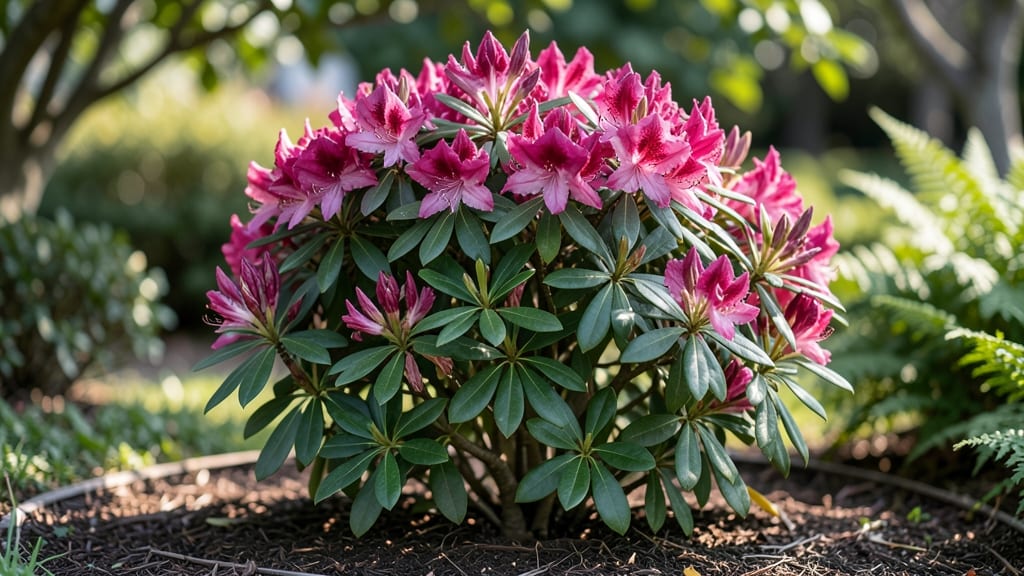
Waking up to bursts of color from the azalea flowering plant that last for weeks—not just spring, but sometimes into summer too—is pure magic. 🌸 These flowering shrubs thrive with surprisingly little effort once you match their needs to their natural preferences, and I’ve learned the exact balance that keeps my azaleas blooming like they’re in a botanical garden.
The secret isn’t complicated: acidic soil, morning sun, and consistent moisture. Most people overlook the soil test—azaleas need pH between 4.5 and 6.0, or they’ll refuse to flower. I use pine needles and peat moss to keep mine happy, and the difference in blooms is night and day.
By late spring, you’ll see clusters of flowers so vibrant they’ll make your neighbors ask for tips. The foliage stays lush year-round, and with proper pruning, your azalea will keep getting bushier and more productive for decades.
Winter care is the only tricky part—mulch heavily in colder zones to protect roots from freeze-thaw cycles. Even in harsh winters, my azaleas bounce back with fresh growth by April.
📚 In This Guide
- What you need
- Instructions
- Tips and common mistakes
- Wrapping up and next steps
What you need
- ● Azalea plants: Choose between evergreen (e.g., Rhododendron simsii) or deciduous varieties. Buy 1–3 plants for small gardens or 5+ for borders.
- ● Well-draining potting mix: 5–10 gallons (for pots) or 1–2 cubic yards (for in-ground planting). Use a peat-free, acidic mix (pH 4.5–6.0)—avoid garden soil!
- ● Organic mulch: Pine bark fines or pine straw (3–4 inches thick) to retain moisture and acidity.
- ● Slow-release fertilizer: Acid-loving plant fertilizer (e.g., Miracle-Gro Azalea, Camellia & Rhododendron) or osmocote (10–15 lbs per 100 sq ft).
- ● Garden trowel or spade (for digging holes).
- ● Pruning shears (sterilized with rubbing alcohol).
- ● Gloves (to protect from thorns or soil-borne pathogens).
- ● Watering can or hose with a gentle spray nozzle (azaleas hate soggy roots!).
- ○ pH test kit (optional but helpful to monitor soil acidity).
- ● Container with drainage holes (12–18 inches deep for potted azaleas; terracotta or plastic).
- ● Sunlight: Partial shade (3–6 hours of morning sun; avoid harsh afternoon rays).
- ● Climate: Hardy to USDA Zones 4–9 (choose cold-hardy varieties like ‘Girard’s Pink’ for colder zones).
- ● Water source: Consistent moisture (but no standing water!).
- ● Patience: Azaleas may take 1–2 years to establish and bloom fully.
- ● Epsom salt (1 tbsp/month in water) for magnesium boosts.
- ● Moss or sphagnum peat for extra acidity in pots.
- ● Shade cloth (30–50%) for hot climates.
- ● Decorative stones or pebbles to enhance container gardens.
Step-by-step guide to growing thriving azaleas
Here's how to coax stunning blooms from your azalea with simple, seasonal care.
🌱 Step 1: Select the Right Location and Plant Properly
Azaleas crave morning sun and afternoon shade—think dappled light under tall trees. Dig a hole twice as wide as the root ball but no deeper, then place the plant so the top of the root ball sits 1 inch above ground level. This prevents water from pooling around the stem and causing rot.
I always mix the original soil with 2 inches of acidic compost (azaleas hate alkaline soil) before backfilling. Water deeply right after planting to settle the roots. You'll know it's done right when the soil surface looks slightly crusted but not muddy.
☀️ Step 2: Water Deeply and Maintain Acidic Soil
Water once weekly in spring/fall and twice weekly in summer, delivering 1 gallon per plant each time. Check moisture by sticking your finger 2 inches into soil—water when it feels dry. Overwatering is the #1 killer of azaleas, so always let the top inch dry between waterings.
Feed with an acid-loving plant fertilizer every 6 weeks during growing season (spring through summer). I swear by a 30-10-10 formula—high nitrogen for foliage, low phosphorus to prevent leaf burn. Apply when soil is moist to avoid root scorch.
✂️ Step 3: Prune After Flowering for Next Year's Blooms
Wait until 4-6 weeks after flowering to prune—this gives the plant time to set next year's buds. Remove only dead, crossing, or overcrowded branches, cutting back to the nearest outward-facing bud. Never trim more than 1/3 of the plant in one season or you'll sacrifice next year's flowers.
Shape lightly for aesthetics, but azaleas naturally grow in beautiful mounds. I always sterilize shears with rubbing alcohol between cuts to prevent bacterial spread. You'll see fresh, vibrant growth within 2-3 weeks of pruning.
🪴 Step 4: Protect Through Winter and Spring
Once temperatures drop below 25°F, wrap young plants with burlap or use a thick layer of mulch (4-6 inches) around the base. Older plants handle cold better, but consistent winter protection prevents bud damage. Remove mulch in early spring when soil warms.
In late winter, apply a slow-release fertilizer to jumpstart spring growth. Watch for new shoots emerging from the base—this is your cue that winter dormancy is over. Azaleas reward patience with 3-4 weeks of spectacular blooms in spring.
Tips & tricks for perfect azalea care
Here's what nobody tells you about keeping azaleas thriving for years of vibrant blooms.
Location is Everything: That perfect morning sun and afternoon shade isn't just ideal—it's non-negotiable. I learned this the hard way after watching my first azalea struggle in full afternoon sun. Look for a spot where the plant gets bright light early in the day but gentle shade when the sun is strongest. If you're planting near trees, choose one where the canopy provides natural filtering rather than total shade.
Soil Secrets: The 2 inches of acidic compost I mentioned isn't just a suggestion—it's a game-changer. Azaleas despise alkaline soil, which is why I always test my soil pH before planting. Aim for 4.5-5.5 on the pH scale. You can also add a handful of sulfur to your compost mix for extra acidity boost. Remember, azaleas are forest floor plants—they thrive in the same acidic conditions as blueberries and rhododendrons.
Watering Wisdom: Those 2 inches of soil moisture check isn't just about timing—it's about technique. I always water deeply in the morning so the plant can absorb moisture before evening. If you notice yellowing leaves, it's often a sign of overwatering. Let the top inch dry between waterings, but never let the plant get completely bone-dry. In summer, that means twice-weekly watering with 1 gallon per plant, but adjust based on your local climate and rainfall.
Winter Protection: When temperatures drop below 25°F, that mulch isn't just decoration—it's insulation. I've seen azaleas survive harsh winters with proper protection, but I've also watched unprotected plants suffer frost damage. For young plants, use burlap wraps that allow airflow while blocking wind. For mature plants, that 4-6 inch mulch layer acts like a cozy blanket. Just remember to remove mulch in early spring when soil warms to prevent rot.
Pro Tips for Azalea Flowering Plant
- Here's what nobody tells you about keeping azaleas thriving for years of vibrant blooms.
- Location is Everything: That perfect morning sun and afternoon shade isn't just ideal—it's non-negotiable.
- Soil Secrets: The 2 inches of acidic compost I mentioned isn't just a suggestion—it's a game-changer.
Frequently asked questions
When is the best time to plant azaleas for spring blooms?
Plant azaleas in early spring or fall (4–6 weeks before the first frost) for optimal root establishment. Spring planting gives them time to settle before summer heat, while fall allows roots to grow before winter dormancy. Avoid planting in extreme heat or freezing temperatures—azaleas hate stress!
How often should I water my azaleas, and do they need special soil?
Azaleas thrive in moist, acidic soil (pH 4.5–6.0). Water deeply 1–2 times per week (more in summer), ensuring the top 2–3 inches of soil stay damp but not soggy. Mulch with pine bark or leaves to retain moisture and acidity. Pro tip: Test your soil—if it’s alkaline, amend with sulfur or peat moss!
Will azaleas survive winter, and how do I protect them?
Most azaleas are hardy to USDA Zones 5–9, but young plants or tender varieties may need winter care. Apply a 3–4 inch layer of mulch around the base (but not touching the stem) to insulate roots. In harsh winters, wrap containers in burlap or use frost blankets. Bonus: Prune in late winter to encourage bushier growth!
Why aren’t my azaleas blooming, and how can I fix it?
Common culprits:
- Too much sunlight (they prefer partial shade)
- Over-fertilizing with high-nitrogen feeds (use acid-loving plant fertilizer in early spring)
- Stress from drought or poor soil (test pH and improve drainage)
Can I grow azaleas in containers, and what’s the best variety for pots?
Dwarf varieties like ‘Girard’s Pink’ or ‘Hino Crimson’ thrive in containers. Use a well-draining mix with peat moss and repot every 2–3 years. Place pots in morning sun/afternoon shade and water consistently—containers dry out faster! Pro tip: Move pots indoors if temps drop below 20°F.
Wrapping up and next steps
Azaleas bring vibrant color and effortless beauty to any garden with their stunning blooms and low-maintenance charm. Whether you’re a seasoned gardener or just starting out, these flowering plants reward patience with months of eye-catching displays—and the best part? They thrive with minimal fuss! 🌸
Ready to transform your outdoor space? Start by choosing the perfect variety for your climate, then follow the simple steps to plant, care, and enjoy your azaleas year-round. Happy gardening—your future blooms will thank you! 🌿✨