
Planting
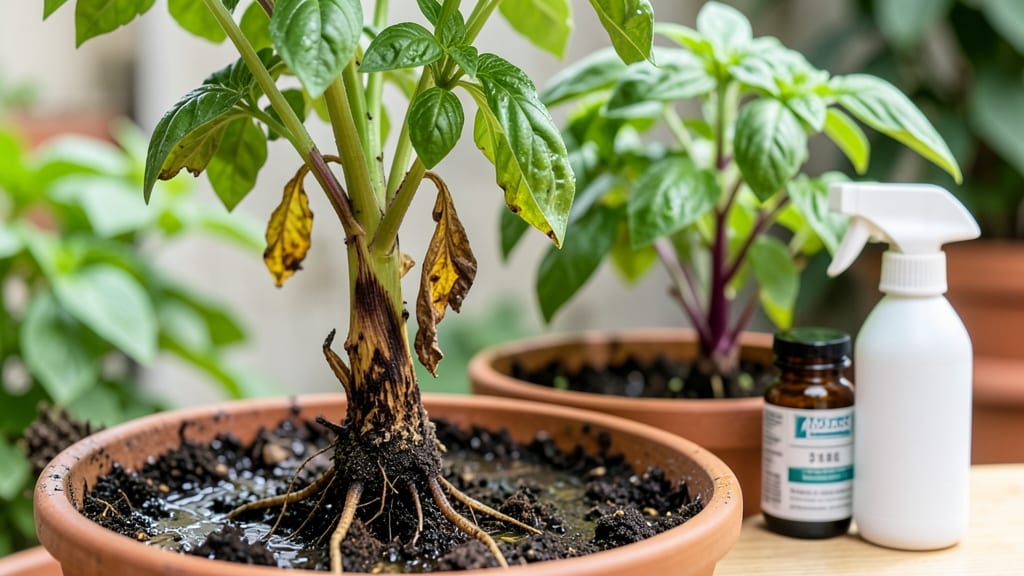
The base of your basil plant turning brown isn’t a death sentence—it’s a call for action. 🌿 I’ve nursed back more than a dozen plants from this exact problem, and the fix is simpler than you’d think, starting with a quick vinegar rinse and strategic pruning.
Most brown bases come from overwatering, poor drainage, or fungal infections hiding in the soil. The good news? You can spot the difference in seconds—mushy stems mean rot, while crispy brown edges point to stress.
A quick inspection tells you which fix to use: better drainage, less water, or a diluted vinegar spray. Within 48 hours of proper care, you’ll see fresh green growth pushing up from the base. The key is acting fast—once the rot spreads, even pruning can’t save the plant.
But when you catch it early, basil bounces back stronger than ever. This works for potted basil, container gardens, or even window-sill plants. No fancy tools needed—just a sharp pair of scissors, patience, and a spray bottle. Let’s get that plant thriving again!
Root Causes Behind Browning Basal Stems
When the base of your basil plant starts turning brown, it’s often a cry for help from the roots—or even the soil itself. Understanding the why behind this discoloration is the first step to reviving your plant.
Below, we break down the most common culprits, backed by science, so you can diagnose and act fast.
Basil thrives in moist but well-draining soil. When roots sit in waterlogged conditions, they suffocate due to a lack of oxygen—a process called anaerobic stress. This triggers the release of ethylene gas, a plant hormone that accelerates browning and cell death at the stem base.
🔍 How to spot it:
- The soil feels soggy even a day after watering.
- Brown, mushy stems at the base (not just dry or crispy).
- Yellowing leaves paired with wilting, despite moist soil.
💡 Science-backed fix: Basil roots need aeration. Amend heavy or clay soil with perlite or sand (20-30% mix) to improve drainage. If potted, ensure containers have drainage holes. Water only when the top 1 inch of soil is dry—stick your finger in to test!
Fungal pathogens like Pythium or Phytophthora (water molds) and bacteria such as Erwinia thrive in damp, warm conditions. They invade root tissues, blocking water and nutrient uptake, which manifests as brown, soft or blackened basal stems. Unlike overwatering, root rot often spreads upward, causing a foul smell.
🔍 How to spot it:
- Stems feel slimy or hollow when pressed.
- Black, thread-like fungal growth on roots.
- Leaves yellow rapidly, even with dry soil.
💡 Action plan:
- Isolate the plant immediately to prevent spread.
- Trim away all brown/mushy stems with sterilized scissors (soak in 1:10 bleach-water for 10 mins).
- Repot in fresh, sterile potting mix (add 1 tbsp copper fungicide per gallon of soil as a preventative).
- Water only at the soil line to avoid wetting leaves (a fungal buffet!).
While overwatering gets most of the blame, chronic underwatering can also cause basal browning. When soil dries out completely, roots plasmolyze—their cell walls shrink away from moisture, leading to irreversible damage. Additionally, if you’re using tap water high in chlorides or fluorides, salts accumulate in the soil, creating a hypertonic environment that draws water out of root cells, causing browning.
🔍 How to spot it:
- Soil is bone-dry and pulling away from pot edges.
- Brown stems are crispy or papery, not mushy.
- Leaves curl inward or feel leathery.
💡 Fix it fast:
- Give the plant a deep soak until water runs out the drainage hole (5-10 mins).
- Flush the soil with rainwater or distilled water (tap water can worsen salt buildup).
- Add 1 tbsp of Epsom salt per gallon of water monthly to replenish magnesium (basil’s favorite mineral).
Basil is a warm-weather lover and struggles when exposed to temperatures below 50°F (10°C). Cold snaps cause chilling injury, where cell membranes rupture, leading to brown, water-soaked patches at the stem base. Even drafts from AC units or windows can trigger this.
🔍 How to spot it:
- Brown areas are watery or translucent (not dry).
- Leaves develop yellow halos around veins.
- New growth is stunted or deformed.
💡 Warm it up:
- Move the plant to a sunny, warm spot (60-80°F / 15-27°C is ideal).
- Avoid placing near cold drafts or heaters.
- If outdoors, use a cloche or row cover for overnight protection.
- Prune only the brownest stems—healthy tissue can regrow once temperatures stabilize.
When basil is repotted or its roots are disturbed (e.g., during division), the plant may temporarily shut down to conserve energy. This stress can cause the basal stems to brown as the plant redirects resources to root regrowth. It’s not a death sentence—just a delayed recovery phase.
🔍 How to spot it:
- Browning occurs 1-2 weeks after repotting.
- Leaves wilt slightly but perk up with water.
- New growth appears slow but steady.
💡 Help it recover:
- Keep soil consistently moist (not soggy).
- Avoid fertilizing for 2-3 weeks—let roots establish first.
- Place in bright, indirect light to reduce stress.
Revive Your Basil’s Base Naturally
Now that you know the root causes behind that unsightly brown base on your basil plant, let’s roll up our sleeves and get it back to its vibrant, healthy self! These fixes are simple, effective, and tailored to the most common issues—whether it’s overwatering, disease, or environmental stress.
Follow the steps below, and your basil will be thriving in no time.
If your basil’s base is mushy, discolored, or smells foul, it’s likely suffering from overwatering and root rot. Here’s how to nurse it back to health:
🔥 Step 1: Stop Watering Immediately
Let the soil dry out completely before watering again. Basil prefers well-draining soil and hates soggy roots. If the pot has no drainage holes, consider repotting or adding perlite to improve aeration.
🍳 Step 2: Trim the Damaged Stems
Use sterilized scissors or pruning shears to snip off any brown, mushy, or blackened stems at the base. Cut just above a healthy node (a small bump where leaves grow) to encourage new growth.
👨🍳 Step 3: Repot in Fresh Soil
- Gently remove the plant from its pot and rinse the roots with water to dislodge excess soil.
- Trim any soft, black, or slimy roots—these are dead and won’t recover.
- Place the plant in a clean pot with fresh, well-draining potting mix (add compost or coconut coir for nutrients).
- Water lightly only when the top inch of soil feels dry.
⏰ Step 4: Adjust Your Watering Routine
- Water deeply but infrequently—basil prefers 1 inch of water per week, but adjust based on humidity and temperature.
- Avoid watering at night—this encourages fungal growth.
- Use a moisture meter if you’re unsure when to water.
💡 Prevention Tips
✔ Use terracotta pots (they dry out faster than plastic). ✔ Add perlite or sand to heavy soil to improve drainage. ✔ Water at the base (not overhead) to prevent fungal issues.
If the brown base looks dry, crusty, or covered in spots, a fungal or bacterial infection (like basil downy mildew or stem rot) may be the culprit. Here’s how to combat it:
🔪 Step 1: Prune Infected Areas
Cut off all brown, spotted, or discolored leaves and stems using sterilized tools (wipe with rubbing alcohol between cuts). Dispose of infected plant debris in the trash (not compost).
🌡️ Step 2: Apply a Natural Fungicide
Mix a vinegar spray (1 part white vinegar + 3 parts water) or a baking soda solution (1 tsp baking soda + 1 quart water + a drop of dish soap) to treat fungal issues.
Spray both sides of leaves and the base of the plant. Repeat every 5-7 days until the problem clears.
For bacterial infections, use a copper fungicide (like Bonide Copper Fungicide) as directed.
🎯 Step 3: Improve Air Circulation
- Space plants apart (at least 6-12 inches) to reduce humidity around the base.
- Use a small fan on low setting near the plant to keep air moving.
- Avoid overhead watering—water at the soil level instead.
✨ Prevention Tips
✔ Water in the morning so leaves dry quickly. ✔ Rotate pots occasionally for even sunlight exposure. ✔ Remove lower leaves that brush against wet soil to prevent spore spread.
If the browning is dry and crispy (not mushy or slimy), your basil may be underwatered, sunburned, or struggling with heat stress. Here’s how to fix it:
💦 Step 1: Check Soil Moisture
Stick your finger 1 inch into the soil—if it’s dry, water thoroughly. If it’s still damp, wait a few more days before watering again.
🌿 Step 2: Adjust Sunlight Exposure
- Move to partial shade if leaves are bleached or crispy (signs of sunburn).
- Provide afternoon shade in hot climates (10:00 AM–4:00 PM sun is ideal).
- Use shade cloth if growing outdoors in intense heat.
🌡️ Step 3: Protect from Extreme Heat
- Mist leaves lightly in the evening to help cool them down.
- Mulch around the base with straw or shredded leaves to retain moisture.
- Avoid fertilizing in peak heat—it stresses the plant.
💡 Prevention Tips
✔ Water deeply in the morning to reduce evaporation. ✔ Use a heat-tolerant variety like Genovese or Purple Ruffles if you live in a hot climate. ✔ Harvest regularly to encourage bushier, more resilient growth.
If your basil is weak but not dead, a vinegar soak can give it a quick boost:
- Fill a bowl with 1 cup water + 1 tbsp white vinegar.
- Submerge the base of the stems (not the leaves) for 10-15 minutes.
- Repot in fresh soil and place in bright, indirect light.
- Water lightly and watch for new growth in 3-5 days!
Remember: Consistency is key! Basil is a resilient herb, but it needs proper care to bounce back. With these fixes, your plant should be green, happy, and ready for harvest in no time. 🌿✨
Frequently asked questions
Why does my basil's base turn brown even when I water it regularly?
Overwatering is the #1 culprit! Basil roots need oxygen, and soggy soil creates anaerobic stress, causing brown, mushy stems. Check if your pot has drainage holes—if not, repot with perlite or sand (20-30% mix) to improve airflow. Water only when the top 1 inch of soil is dry.
Can I save my basil if the brown base smells bad?
Yes, but act fast! That foul odor means root rot from fungal/bacterial infection. Trim all mushy stems, repot in fresh, sterile soil (add 1 tbsp copper fungicide per gallon), and water only at the soil line. Isolate the plant to prevent spreading to other herbs.
How do I tell if my basil needs more or less water?
Stick your finger 1 inch into the soil—if it's dry, water deeply. If damp, wait 2-3 more days. Brown bases from underwatering feel crispy/dry, while overwatering causes mushy, blackened stems. For crispy bases, give a deep soak and use rainwater to avoid salt buildup.
Will pruning the brown stems help my basil recover?
Cut back to healthy green tissue just above a leaf node (where new growth emerges). Sterilize scissors with rubbing alcohol first. Pruning removes diseased tissue and redirects energy to fresh growth. After trimming, place in bright, indirect light and reduce watering temporarily.
Can I use vinegar to fix a brown basil base?
Yes! For fungal issues, mix 1 tbsp white vinegar + 1 cup water and soak the stem base (not leaves) for 10-15 minutes. For prevention, spray leaves weekly with 1:3 vinegar-water mix. Vinegar’s acidity disrupts fungal spores while being safe for basil. Always test on a small area first!