
Planting
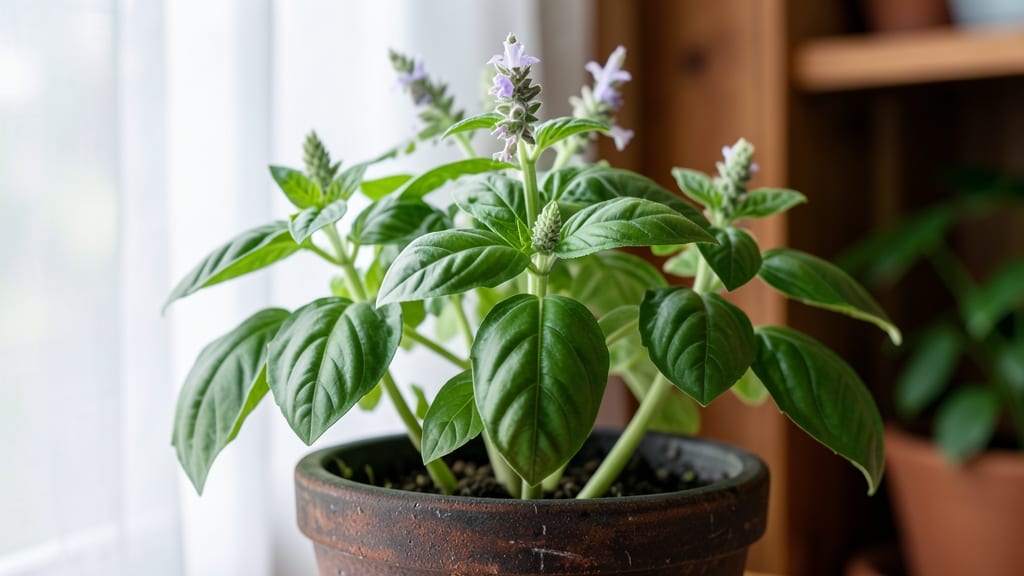
Your basil plant flowering seeds signal it's time to act—prune those blooms or lose your leafy harvest. 🌱 I learned this the hard way when my first homegrown basil bolted into flower, turning bitter and woody.
The secret to keeping basil productive is understanding when those tiny white flowers appear and what to do about them.
Basil thrives in warm soil and full sun, but it bolts quickly when days get longer. Start seeds indoors 6-8 weeks before last frost, then transplant after all danger of frost passes.
Keep plants spaced 12-18 inches apart—crowding stresses them and speeds up flowering. Rich, well-draining soil with compost keeps roots happy and delays bolting.
When you see those first flowering seeds appear, prune aggressively—cut back by ⅓ to ½ of the plant. This shock tactic forces new leaf growth instead of seed production.
Harvest leaves regularly too: pinching encourages bushier growth and delays flowering. With proper care, your basil stays leafy and flavorful for 6-8 weeks before needing replacement.
If you do want basil seeds, let a few flowers go to seed—just don’t let the whole plant bolt. Collect seeds when pods turn brown and brittle, then store them in a cool, dry place.
Next season, you’ll have fresh basil and seeds ready to grow. The key is timing: prune early, harvest often, and you’ll enjoy sweet basil all season long.
📚 In This Guide
- What you need
- Instructions
- Tips and common mistakes
- Wrapping up and next steps
What you need
- ● Basil plant: A healthy, potted basil plant (preferably Sweet Basil, Genovese, or Thai Basil)
- ● Clean, sharp pruning shears: Small bypass pruners (avoid dull tools to prevent crushing stems)
- ○ Gloves (optional): Nitrile or gardening gloves to protect hands from sap and dirt
- ● Watering can or spray bottle: For post-pruning hydration (1–2 cups of water)
- ○ Container or tray (optional): For propagating cuttings (if you want to grow new plants!)
- ● Sunlight access: Basil needs 6–8 hours of direct sunlight daily (indoor grow lights work too!)
- ● Well-draining soil: Potting mix with perlite or coconut coir (avoid compacted soil)
- ● Knowledge of flower spots: Check stems for tiny buds or flowers—these are your pruning targets!
Step-by-Step guide to pruning basil for leafy growth
Here’s how to keep your basil lush and productive by preventing unwanted flowers.
🌱 Step 1: Identify and Remove Flower Stems Early
Basil plants start flowering when they reach about 12-18 inches tall, and those blooms signal the end of leaf production. The moment you spot a flower bud—usually a tiny white or purple spike—pinch it off immediately with your fingers or clean pruning shears. This ensures your plant focuses energy on leaves instead of seeds.
I check my plants every 3-4 days during peak growth. The key is speed: once a flower stem appears, it’s already diverting nutrients away from your basil leaves. If you wait too long, the plant will shift into seed production, and those broad, flavorful leaves will turn bitter and small.
✂️ Step 2: Prune for Bushier Growth
After removing flower stems, prune the tips of the main stems just above a set of leaves where two leaves meet. This encourages the plant to branch out instead of growing tall and leggy. Use clean, sharp pruners to make a clean cut at a 45-degree angle—this prevents water from pooling and causing rot.
I like to prune every 2-3 weeks during active growth. You’ll notice new side shoots forming within 5-7 days—that’s your plant responding to the pruning. These new branches will produce even more leaves, giving you a fuller, more productive basil bush.
☀️ Step 3: Maintain Optimal Light and Water
Basil needs 6-8 hours of sunlight daily to stay vigorous and avoid early flowering. If your plant starts stretching toward the light or growing weak, it’s not getting enough. Move it closer to a south-facing window or supplement with a grow light kept 6 inches above the plant for 12-14 hours a day.
Water your basil when the top inch of soil feels dry—usually every 2-3 days in warm weather. Overwatering can stress the plant and trigger flowering, so let the soil dry out slightly between waterings. I always check the soil with my finger before watering to avoid soggy roots.
🌿 Step 4: Harvest Regularly to Encourage More Leaves
Harvesting is just as important as pruning. Pinch off the top sets of leaves (about ⅓ of the plant) when the stems are 4-6 inches tall. This stimulates new growth and keeps your basil bushy. Always harvest in the morning when the oils in the leaves are at their peak for flavor.
I harvest my basil every 5-7 days during the growing season. The more you harvest, the more your plant will produce. Just avoid taking more than ⅓ of the plant at once—this prevents stress and keeps your basil thriving for weeks.
Tips & tricks for pruning basil to prevent flowering
Keeping your basil focused on leaf production instead of seeds takes just a few simple tricks.
Timing is Everything: The 3-4 day check I mentioned in Step 1 is non-negotiable. I learned this the hard way—when I waited a full week between inspections, my basil went from lush green leaves to bitter, tiny ones in just 10 days. Those flower buds are sneaky and start diverting nutrients immediately. If you're busy, set a phone reminder for every 4 days during peak growing season.
Pruning Precision: When you're pruning in Step 2, look for that V-shaped junction where two leaves meet—this is your perfect pruning point. I always make my cuts just above this spot using clean shears, and I angle them slightly to prevent water from pooling. The 45-degree angle might seem fussy, but it keeps your basil healthy longer. If you're using fingers, pinch cleanly at the base of the stem to avoid tearing.
Light and Water Balance: The 6-8 hours of sunlight in Step 3 is your baseline, but watch for these signs of imbalance: if leaves start curling toward the light, it's stretching for more; if they yellow, you're overwatering. I've found that supplementing with grow lights for 12-14 hours (especially in winter) makes all the difference. And that top inch soil check? Use your finger—it's the only reliable way to gauge moisture without overestimating.
Harvesting Strategy: That ⅓ harvest rule in Step 4 is crucial, but timing matters too. I always harvest in the morning because that's when the essential oils are at their peak. The leaves will be most flavorful and vibrant. Also, never harvest more than ⅓ at once—this prevents shock to your plant. If you need more leaves quickly, spread your harvests over multiple days instead of taking everything at once.
Pro Tips for Basil Plant Flowering Seeds
- Keeping your basil focused on leaf production instead of seeds takes just a few simple tricks.
- Timing is Everything: The 3-4 day check I mentioned in Step 1 is non-negotiable.
- Pruning Precision: When you're pruning in Step 2, look for that V-shaped junction where two leaves meet—this is your perfect pruning point.
Frequently asked questions
Got questions about basil flowering and seed production? You’re not alone! Here are answers to the most common concerns—so you can focus on lush, leafy basil instead of unwanted blooms.
Why does my basil plant flower?
Basil flowers as a natural part of its life cycle, signaling it’s ready to produce seeds. While beautiful, flowering shifts energy from leaves to blooms, making them less flavorful and tender. Pinching off flowers early keeps your basil leafy and productive!
How long does it take for basil to flower from seed?
Most basil varieties flower 6–8 weeks after germination, especially in warm conditions. If you’re growing from seed, stay vigilant—prune early to delay flowering and maximize leaf harvest. Slow-release fertilizer can also help prolong the leafy phase.
Can I save seeds from flowering basil?
Yes! Let some flowers mature into seed pods (they’ll turn brown and dry). Harvest seeds by crushing the pods over a paper bag. Store them in a cool, dry place for up to 2 years. Pro tip: Label varieties—seeds from hybrid basil may not grow true to type!
What should I do if my basil is already flowering?
Don’t panic! Prune the flower stems back to a leaf node to redirect energy to new growth. For heavily bloomed plants, trim 1/3 of the plant to encourage bushier regrowth. Avoid fertilizing right after pruning—wait until new leaves appear.
Does heat cause basil to flower faster?
Basil flowers more quickly in hot (above 85°F/29°C) or dry conditions. To slow it down:
- Provide morning sun, afternoon shade in peak summer.
- Water consistently—dry soil stresses plants.
- Use a light mulch to keep roots cool.
Can I regrow basil from cuttings after flowering?
Yes! Even flowering basil can root from cuttings. Take 4–6 inch stems just below a leaf node, strip lower leaves, and place in water or moist soil. Avoid using stems with fully opened flowers—they root poorly. New growth will be leaf-focused!
Wrapping up and next steps
Growing basil from seeds and keeping it thriving is all about balance—patience, proper care, and knowing when to act.
Remember, flowering isn’t a failure—it’s nature’s way of telling you it’s time to prune and redirect energy back to those lush, flavorful leaves! 🌿 With the right techniques, you’ll enjoy a bountiful harvest of fresh basil for months.
Ready to take the next step? Start by pinching those flowers early and watch your basil plant reward you with vibrant, leafy growth. Happy gardening!