
Planting
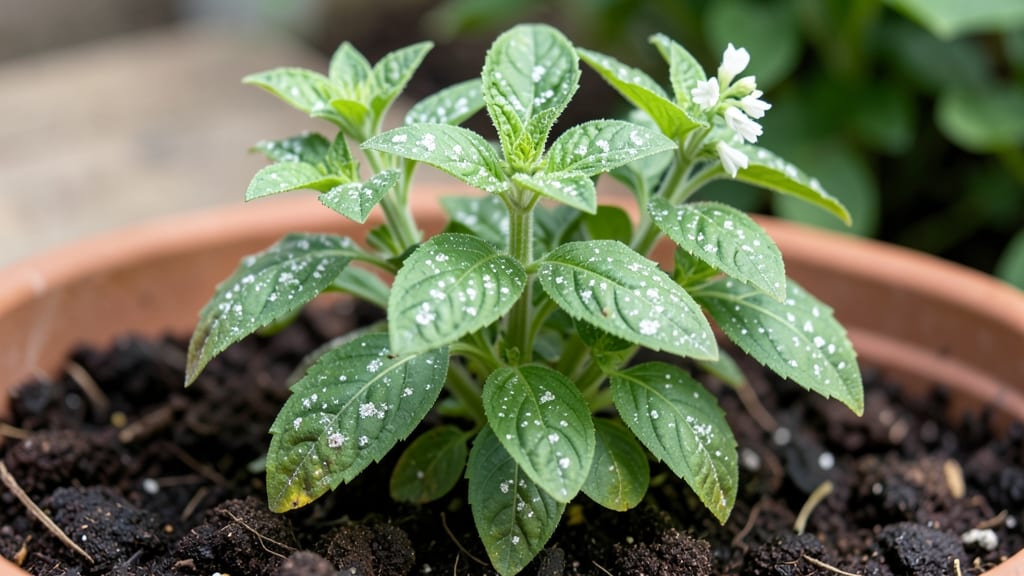
If your basil plant has white spots, act fast—fungal blight is moving in, and it spreads faster than you think. 🌱 I’ve seen healthy plants turn into sad, spotted messes in just 72 hours—this is how to stop it before it ruins your harvest.
The culprit is usually downy mildew or powdery mildew, thriving in humid conditions. Spider mites can also cause white webbing and spots, but they leave a different kind of damage. The key is acting fast: isolate the plant, prune infected leaves, and avoid overhead watering.
Within 3 days, you’ll see results if you treat it right—neem oil sprays or a baking soda mix (1 tsp per quart of water) work wonders. I’ve saved basil plants from total collapse using these methods, and your kitchen garden can too.
Prevention is easier: space plants for airflow, water at the base, and clean up fallen leaves. This isn’t just about saving one plant—it’s about keeping your whole garden healthy.
Root Causes Behind White Spots
When your basil plant develops white spots, it’s often a cry for help from the plant itself. These spots rarely appear without reason, and understanding the underlying causes is the first step toward saving your herb garden.
Below, we break down the most common culprits—from sneaky fungi to environmental stressors—and explain why they trigger this distress signal.
Fungi like powdery mildew and downy mildew are the top suspects when white spots show up on basil leaves. These pathogens thrive in humid, stagnant conditions and spread like wildfire when leaves stay damp for too long.
- Powdery Mildew: This fungus creates a white, powdery coating on leaves, often starting on the undersides. It blocks sunlight, weakening the plant and stunting growth. Spores spread via wind or water splashes, making crowded plants or poor airflow prime targets.
- Downy Mildew: Less obvious but equally destructive, this fungus produces fuzzy, white or gray patches on the undersides of leaves. Unlike powdery mildew, it requires moisture to spread, often appearing after heavy dew or overhead watering.
💡 Pro Tip: Check the leaf undersides first—if you see white fuzz or spots, fungi are likely the culprit. Isolate the plant immediately to prevent spread.
Basil plants hate soggy roots. When soil stays too wet—either from overwatering or poor drainage—it creates the perfect breeding ground for fungal growth. White spots can also signal edema, a condition where excess water in the roots causes cells to burst and form crusty, white patches on leaves.
- Signs of Overwatering:
- Yellowing leaves
- Mushy stems
- White spots that feel crusty to the touch
- Why It Happens: Basil roots need well-draining soil and air circulation. If water pools at the base, roots suffocate, and fungi or bacteria seize the opportunity to infect the plant.
🌡️ Quick Fix: Let the top inch of soil dry out before watering again. If your pot lacks drainage holes, repot your basil into a container with perlite or sand to improve airflow.
Basil is a warm-weather lover, and extreme conditions—whether too hot, too cold, or overly humid—can weaken its defenses, making it susceptible to white spots. While these spots aren’t always fungal, stress-related damage can create white, necrotic patches as the plant struggles to recover.
- High Humidity: Basil prefers 40-60% humidity. Anything above 70% encourages fungal spores to germinate. Greenhouses, kitchens, or bathrooms with poor ventilation are common culprits.
- Temperature Shocks: Sudden drops below 50°F (10°C) or scorching heat above 90°F (32°C) can cause leaf burn, appearing as white or yellow patches.
- Poor Airflow: Stagnant air traps moisture against leaves, mimicking the conditions fungi love. Crowded plants or containers in shaded corners are at higher risk.
✨ Solution: Move your basil to a bright, indirect spot with good airflow. Use a small fan on low setting if humidity is an issue, or mist leaves in the morning (not evening) to allow them to dry quickly.
While pests like whiteflies or aphids don’t directly cause white spots, their feeding habits can weaken basil, making it more vulnerable to fungal infections. These insects excrete honeydew, a sticky residue that fosters sooty mold—a black or white fungal growth that coats leaves.
- How It Starts:
- Pests feed on sap, causing yellowing or curling leaves.
- Honeydew attracts ants and promotes sooty mold.
- White spots may appear as mold spreads, especially in humid conditions.
- Key Indicators: Look for tiny white insects on leaf undersides or sticky residue on leaves.
🔥 Act Fast: Spray leaves with neem oil or insecticidal soap to eliminate pests, then clean leaves with a damp cloth to remove honeydew.
Now that you know the why, the next step is action. In the following sections, we’ll cover how to diagnose the exact issue and 3-day recovery steps to restore your basil’s health—no more white spots in sight! 🚀
Quick Fixes for Basil’s White Spots
If your basil plant has developed white spots, acting fast is key to saving your harvest. These spots are often signs of fungal infections (like powdery mildew or downy mildew) or environmental stress, but with the right steps, you can reverse the damage and prevent future outbreaks.
Below, we’ve mapped out targeted solutions based on the most common causes—plus prevention tips to keep your basil thriving.
Before treating, confirm what’s wrong.
Run through this fast checklist: - Powdery mildew? → White, powdery spots (like dust) on upper leaves. - Downy mildew? → Yellow spots on top, fuzzy white growth on undersides. - Bacterial leaf spot? → Water-soaked spots that turn white/yellow with brown edges. - Environmental stress? → White spots paired with crispy edges or wilting.
Pro Tip: 💡 Use a hand lens or phone magnifier to check leaf undersides—this is where fungal spores love to hide!
Fungal spores spread like wildfire, so isolate and sanitize first.
🔥 Remove Infected Leaves
- Snip off all leaves with white spots using sterilized scissors (wipe with rubbing alcohol).
- Dispose of them in the trash (not compost)—fungi can survive in soil.
- Pro Tip: ✂️ If >30% of the plant is infected, prune back aggressively to encourage new growth.
🚿 Wash the Plant (Gently!)
- Mist leaves with a 1:10 water-vinegar spray (or hydrogen peroxide at 3%) to kill surface spores.
- For severe cases, dip leaves in a neem oil solution (1 tsp neem oil + 1 tsp mild soap per quart of water) for 10 minutes, then rinse.
Choose your battle plan based on severity:
| Treatment | How to Use | Best For |
|---|---|---|
| Neem Oil Spray | Mix 1 tbsp neem oil + 1 tsp soap in 1 quart water. Spray every 5–7 days for 2 weeks. | Mild powdery/downy mildew |
| Baking Soda Spray | 1 tsp baking soda + 1 quart water + a few drops of soap. Spray weekly. | Early-stage powdery mildew |
| Copper Fungicide | Follow label instructions (e.g., Copper Soap). Use every 7–10 days. | Bacterial spots or stubborn fungi |
| Hydrogen Peroxide | 3% solution (1:10 dilution). Spray every 3 days until spots fade. | Surface fungal control |
Pro Tip: 🌡️ Apply treatments in the morning so leaves dry quickly—wet leaves at night = fungal paradise!
Fungi thrive in humid, shaded, or crowded conditions. Fix these ASAP:
⚡ Improve Airflow
- Space plants 12–18 inches apart (or prune nearby foliage).
- Use a small fan on low setting near the plant for 10 mins/day (trust us, it works!).
☀️ Boost Sunlight
- Basil needs 6+ hours of direct sun daily. Move pots to a sunnier spot or supplement with grow lights.
- Pro Tip: 🌿 If indoors, place near a south-facing window or under LED grow bulbs.
💧 Fix Watering Habits
- Water at soil level (not overhead) to avoid wetting leaves.
- Water in the morning so leaves dry by evening.
- Use drip irrigation or a watering can with a narrow spout for precision.
🌡️ Control Humidity
- Keep humidity below 70% (use a dehumidifier or open windows for airflow).
- Space plants apart—crowding = trapped moisture.
Once your basil recovers, lock in those gains with these habits:
- Rotate crops: Don’t plant basil in the same spot yearly (fungi linger in soil). - Sterilize tools: Wipe pruners with rubbing alcohol between uses. - Test soil: Use a pH test kit—basil prefers 6.0–7.0 pH.
Amend soil if needed. - Harvest regularly: Pinch off flowers and outer leaves to encourage airflow. - Companion plant: Grow marigolds or garlic nearby—they repel fungi naturally!
With daily treatments + condition fixes, you’ll see improvement in 3–7 days. For severe cases:
- Powdery mildew: 1–2 weeks to fully clear.
- Downy mildew: 2–3 weeks (may need multiple sprays).
- Bacterial spots: 10–14 days (often requires copper fungicide).
Pro Tip: ✨ Harvest lightly during treatment—stressed plants heal faster with less fruit!
Frequently asked questions
Are white spots on basil always caused by fungus?
Not always! While powdery mildew and downy mildew are common culprits, white spots can also signal edema (from overwatering), insect damage (like spider mites), or even environmental stress from humidity or temperature swings. Always check leaf undersides first—if you see fuzzy growth, it’s likely fungal.
Can I still use basil leaves with white spots for cooking?
Only if the spots are very mild and you remove the affected areas. For fungal infections, never use infected leaves—they can contaminate your food. If spots are widespread, it’s safer to discard those leaves and focus on treating the plant to restore healthy growth for future harvests.
How do I tell if my basil has powdery mildew vs. downy mildew?
Check the leaf undersides—powdery mildew appears as white, dusty patches on both sides, while downy mildew shows up as fuzzy, white growth only on the undersides. Powdery mildew also thrives in dry conditions, while downy mildew needs high humidity to spread.
Will neem oil harm my basil plant if used too often?
Neem oil is safe when used correctly, but don’t overapply. Stick to every 5–7 days for 2 weeks max. Too much can stress the plant. Always mix it with mild soap (1 tsp per quart) to help it stick to leaves, and apply in the morning so leaves dry quickly.
Can I save a basil plant with 80% white spots?
It’s possible, but act fast! Prune back all infected leaves (even if healthy-looking), isolate the plant, and treat with copper fungicide or neem oil. If the roots are still healthy, new growth should emerge within 2–3 weeks. For severe cases, consider propagating from healthy stems to start fresh.