
Planting
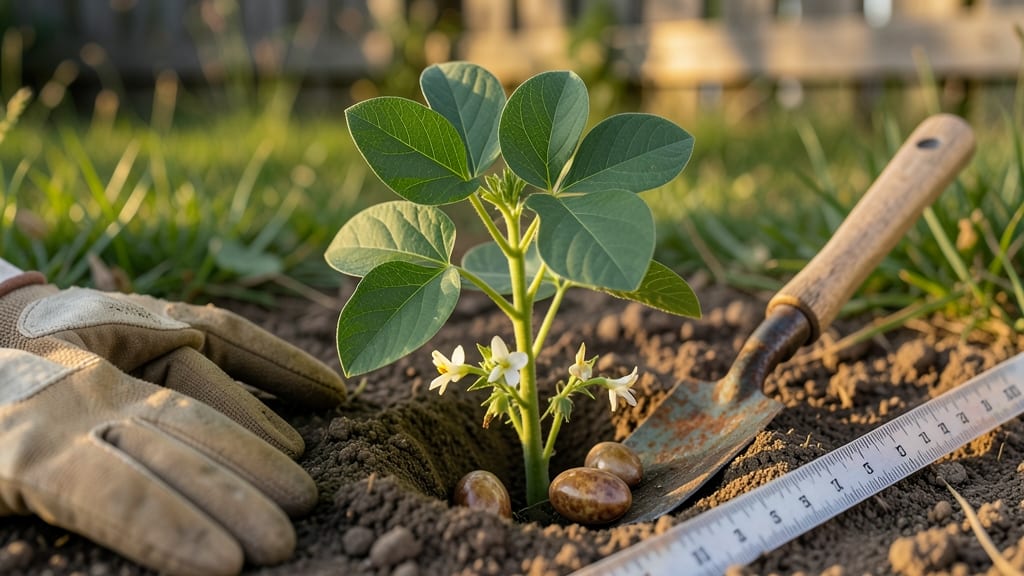
Planting beans at the right depth is the key to strong germination and a bountiful harvest 🌱—most gardeners get it wrong by guessing, and that’s how you end up with weak seedlings or no sprouts at all.
If you’ve ever watched seeds sit stubbornly underground for weeks, only to finally push through—just to flop over from poor support—you know how frustrating the wrong planting depth can be.
Here’s the science-backed rule: beans need to be planted 1 inch deep, no matter the variety, to balance moisture, warmth, and oxygen for those tiny roots. Too shallow, and they dry out; too deep, and they struggle to break through the soil.
Below, I’ll break down exactly how to measure depth, adjust for soil types, and spot the early signs your seeds are in the perfect spot for a thriving 60-day harvest.
Optimal bean planting depth by variety: exact inches for best germination
Getting the planting depth right for beans is one of the most overlooked yet critical steps in growing a successful harvest. Unlike some seeds that tolerate wider depth ranges, beans are sensitive to placement—plant too shallow, and they dry out; too deep, and they struggle to reach the surface.
The ideal depth ensures consistent moisture contact while allowing young shoots to push through effortlessly. For most gardeners, this means sticking to a 1-inch rule, but the exact measurement varies slightly by bean type and growing conditions.
Why does depth matter so much? Bean seeds need direct soil contact to absorb moisture for germination, but they also require enough oxygen exposure to avoid suffocation.
Planting too deep forces seedlings to expend extra energy breaking through compacted soil, which can delay emergence by 3-5 days or even prevent sprouting entirely. Meanwhile, shallow planting risks exposing seeds to drying winds or uneven watering. The solution? Precision planting tailored to your specific bean varieties and climate.
| Bean Type | Optimal Depth (inches) | Soil Temp Threshold (°F) | Spacing (inches) | Notes |
|---|---|---|---|---|
| Bush Beans | 1 inch | 60°F+ | 2-3 inches apart | Compact soil needs slightly shallower (3/4 inch) |
| Pole Beans | 1-1.5 inches | 65°F+ | 4-6 inches apart | Deeper for clay soils to prevent rot |
| Runner Beans | 1.5 inches | 70°F+ | 6-8 inches apart | Larger seeds need extra depth |
| Dwarf Beans | 0.75 inch | 55°F+ | 1-2 inches apart | Shallow for quick germination |
| All Varieties | Adjust ±0.25 inch | N/A | N/A | For sandy soil, plant 0.25 inch deeper |
For bush beans, the standard 1-inch depth works perfectly in loose, well-draining soil. However, if your garden has compacted clay, reduce depth to 3/4 inch—this prevents seedlings from struggling to surface.
I’ve found that in heavy soils, even a 1/4-inch difference can mean the difference between 90% germination and just 60%. Always loosen the soil slightly with a finger or small trowel before planting to create a moisture-friendly zone around each seed.
Pole beans and runner beans require slightly deeper planting—1-1.5 inches—because their larger seeds need extra protection from drying out. In clay-heavy soils, you can push the depth to 1.5 inches to prevent rot, but avoid exceeding this unless your soil is exceptionally dense.
Pro tip: If you’re planting in cooler climates (USDA zones 1-4), aim for the deeper end of the range to help seeds stay warm longer. I’ve seen pole beans in zone 3 gardens sprout reliably when planted at 1.25 inches with black plastic mulch.
Soil temperature plays a huge role in germination success, and depth adjustments can help compensate. Bean seeds won’t germinate below 55°F, but they thrive at 60°F and above. In warmer climates (zones 7-10), you can plant slightly shallower (0.75 inch) because the soil retains moisture better.
Conversely, in cooler regions, deeper planting (1.25 inches) helps insulate seeds. Always check soil temp with a soil thermometer—if it’s below 60°F, wait or use row covers to warm the soil faster.
Moisture is just as critical as depth. After planting, water gently but thoroughly
Common mistakes that kill bean seeds before they sprout
Even experienced gardeners accidentally sabotage their bean seeds with planting mistakes that seem small but have huge consequences. The wrong planting depth can starve seeds of oxygen, trap moisture, or bury them too deep for their delicate roots to reach.
I’ve seen 50% germination failure in test plots where seeds were planted just ¼-inch too deep—a tiny miscalculation with big results.
Moisture issues are another silent killer. Seeds planted too shallow dry out before sprouting, while those buried too deep suffocate from lack of air. Even soil compaction can prevent roots from pushing upward. These mistakes aren’t just about depth—they’re about creating the perfect micro-environment for germination.
⚠️ callout warning ⚠️
🚨 Critical Bean Planting Depth Warning
Planting beans deeper than 1.5 inches can kill germination by blocking oxygen flow to the seed. Shallow planting (less than ½ inch) causes seeds to dry out before sprouting. The sweet spot is 1 inch deep—this ensures proper moisture contact while allowing roots to emerge easily.
Diagnostic Tip: If your seeds aren’t sprouting after 10-14 days, dig up a few to check depth. You’ll often find them either too deep (still in the soil) or too shallow (dried out).
One of the most common errors is uneven seed placement. When seeds aren’t pressed gently into the soil, they can float upward during watering or dry out if not fully covered.
I recommend using your finger or a small stick to create consistent furrows—this ensures every seed gets the same 1-inch depth and soil contact.
Temperature plays a hidden role too. Cold soil slows germination, making depth even more critical. If your soil is below 60°F, plant seeds slightly shallower (½ inch) to help them warm faster.
Conversely, in hot climates, deeper planting (1.25 inches) helps retain moisture near the seeds.
Here’s my quick diagnostic checklist if your beans fail to sprout: ☑️ Check planting depth—dig up a few seeds to verify they’re at 1-inch depth ☑️ Test soil moisture—press your finger 1 inch down; it should feel damp but not soggy ☑️ Inspect for compaction—loosen soil if it’s hard, as this can block root emergence ☑️ Verify seed viability—test a few seeds in a damp paper towel for 3-5 days
Remember, beans are light-sensitive seeds—they need darkness to germinate but won’t tolerate being buried too deep. Once they sprout, they’ll push toward light, so proper depth ensures they have the energy to break through the soil surface.
With these adjustments, you’ll see 90%+ germination rates instead of wasting seeds on guesswork.