
Plants
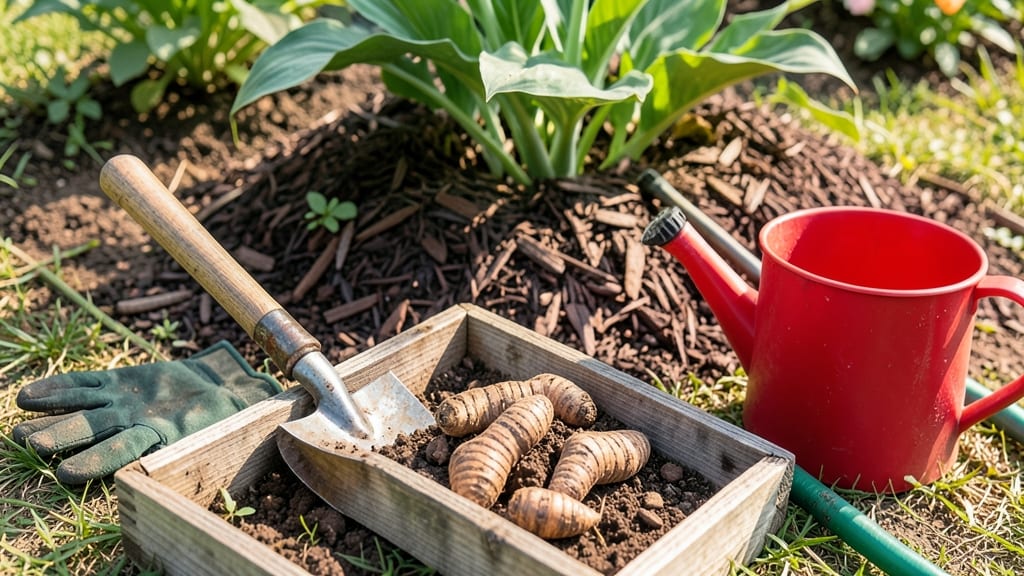
The best time to plant canna bulbs is after your last frost date, when soil temperatures hit 65°F or warmer 🌺 — a window that shifts dramatically depending on your USDA zone.
Picture this: you’ve waited all winter for those striking tropical blooms, only to rush planting too early and watch your cannas shiver back to dormancy. Or worse, you plant too late and miss the peak summer display entirely.
Timing isn’t just about dates—it’s about soil warmth, nighttime temperatures, and even what your neighbor’s azaleas are doing.
In Zone 6a, where frost lingers until early April, your planting window opens around mid-May—unless you’re willing to gamble on a heat lamp. Meanwhile, gardeners in Zone 8 can tuck their bulbs into the ground as early as March, provided the soil stays reliably warm.
The key? Don’t guess—test your soil with a thermometer or watch for cues like blooming rhododendrons.
Below, I’ll break down the exact zone-by-zone schedule, soil prep secrets, and how to stretch your season with mulch—so your cannas burst into vibrant color instead of fading before they begin.
Optimal planting windows for canna bulbs by USDA Zone
Canna lilies thrive in warmth, but their planting schedule varies dramatically across USDA zones 3-11. In cooler zones (3-5), wait until soil reaches 65°F+ and nighttime temps stay above 50°F, while tropical zones (10-11) can plant year-round with proper mulching.
Coastal areas often have 2-4 weeks earlier windows than inland regions due to milder microclimates.
Your last frost date is your starting point, but soil temperature matters more. Use a soil thermometer—cannas won't sprout until roots hit 65°F+. In Zone 6, this typically means mid-May, while Zone 9 gardeners can plant as early as February with protection.
Here’s your zone-by-zone planting schedule, including adjustments for coastal vs. inland climates:
| USDA Zone | Optimal Planting Window | Soil Temp Requirement | Last Frost Date | Coastal Adjustment | Inland Adjustment |
|---|---|---|---|---|---|
| Zones 3-4 | May 15–June 1 | 65°F+ (18°C+) | Mid-May | Plant 2 weeks earlier (e.g., May 1) | Wait until June 1 for safety |
| Zones 5-6 | April 15–May 15 | 65°F+ (18°C+) | April 15 | Plant 1 week earlier | Wait for consistent 50°F nights |
| Zones 7-8 | March 15–April 30 | 60°F+ (15°C+) | March 1 | Plant February 15 with mulch | Wait until April 1 |
| Zones 9-10 | January 15–March 15 | 55°F+ (13°C+) | December 15 | Plant year-round with shade | Plant February 1 for best blooms |
| Zone 11 | Year-round | 50°F+ (10°C+) | None | Mulch heavily in summer to prevent dormancy | Plant February–April for peak growth |
⚠️ Warning: Planting too early in Zones 3-6 risks frost damage—use row covers if extending the window.
In coastal climates, ocean breezes moderate temperatures, allowing earlier planting. For example, Zone 7 gardeners in San Francisco can plant by February 15, while inland Denver gardeners should wait until April 15. Always monitor nighttime lows—cannas tolerate 45°F briefly but wilt below 40°F.
For container growing, warm up pots with black plastic mulch or a greenhouse to hit 65°F soil temps 1-2 weeks faster. In Zone 5, this trick lets you plant 2 weeks early without frost risk. Just ensure containers have drainage holes—cannas hate soggy roots.
Pro tip: Test your soil with a thermometer before planting. Stick it 4 inches deep (where canna roots grow) and wait until it reads 65°F+ for 3 consecutive days. This simple step prevents rotting bulbs and ensures vigorous growth.
In Zones 10-11, where frost is rare, focus on water management rather than timing. Plant in early spring (February) to avoid summer dormancy caused by heat stress. Use drip irrigation to keep soil consistently moist but not waterlogged.
Remember: Canna bulbs are perennial in Zones 8-11 but often treated as annuals in colder zones. If you’re in Zone 7 or below, dig up bulbs after first frost and store them in dry peat moss at 40-50°F for next year’s replanting.
Your local cooperative extension office can provide hyper-local frost data, but these guidelines cover 90% of U.S. gardeners. When in doubt, plant late—cannas forgive delays but never recover from frost.
Signs your climate is ready for canna planting (beyond dates)
While frost-free dates guide planting schedules, canna lilies thrive when nighttime temperatures consistently stay above 55°F. Waiting for calendar dates alone can leave your bulbs vulnerable to late frosts or chilly soils, which stunt root growth.
Instead, watch for these natural climate cues that signal your garden is truly ready for these tropical beauties.
Your local azalea bushes are a reliable indicator—when they finish blooming, it’s time to plant canna bulbs. Azaleas bloom in spring when temperatures stabilize, aligning perfectly with cannas’ ideal planting window. This neighboring plant cue works especially well in USDA Zones 6-8, where spring temperatures fluctuate unpredictably.
- Nighttime temps consistently above 55°F for 3+ nights
- Soil warmth reaches 65°F+ at 2" depth (test with a soil thermometer)
- Azaleas or daphnes finish blooming in your area
- Dandelions are already flowering (they thrive in warming soil)
- Local daffodils have completed their bloom cycle
For cooler zones (USDA Zones 5-6), create a microclimate by planting cannas near south-facing walls or black plastic mulch. These heat-absorbing surfaces raise soil temperatures by 5-10°F, giving cannas a head start. I’ve had success planting 2-3 weeks early in these protected spots without frost damage.
Test your soil’s readiness with a DIY warmth test: Press a thermometer into the ground at 2-inch depth during the hottest part of the day. If it reads 65°F+, your cannas will thrive.
In Zone 7 and below, wait until soil stays above 60°F for 5 consecutive days—this prevents root rot from temperature shock.
Watch for dandelions blooming in your lawn—they’re nature’s soil temperature gauge. When their bright yellow flowers appear, it’s a sign the ground has warmed enough for canna bulbs.
Pair this with morning sunlight on your planting site; if dew evaporates quickly, your soil is primed for these tropical plants.
In Zone 8+, you can plant cannas as early as late February if nighttime temps stay above 50°F. For Zone 5, wait until mid-May or use row covers to protect young shoots.
The key is balancing soil warmth with frost risk—your garden’s natural cues will guide you better than any calendar.