
Planting
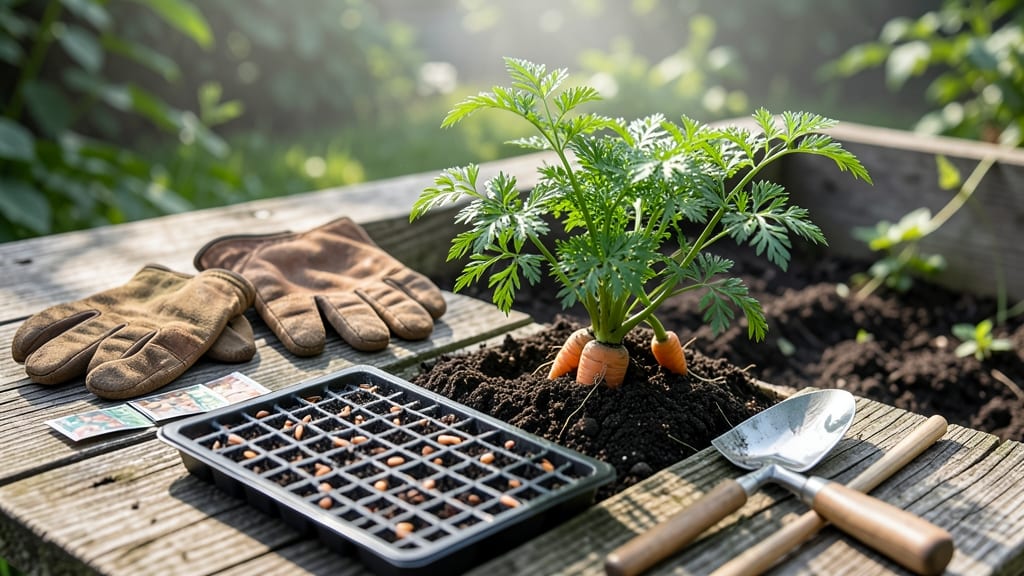
Planting carrot seeds at the best time means cooler soil temperatures and loose, rock-free ground — the two secrets to fast germination and straight roots.
Struggling to grow crisp, sweet carrots? The secret often lies in timing—planting carrot seeds at the wrong temperature can mean slow germination or total failure. Master these soil temperature triggers to unlock faster, more reliable harvests this season.
In USDA Zone 6a, aim for early spring (April–June) or late summer (August–September) when soil hovers between 45°F and 85°F. Too warm, and seeds bolt; too cold, and they rot. I’ll show you how to check soil temps the easy way and adjust for your region.
Beyond timing, we’ll cover 3 key steps for success: soil prep, spacing, and post-planting care. Skip these, and you’ll end up with gnarled roots or patchy germination. Let’s get those 🥕 growing right.
Ideal soil temperature ranges for carrot seed germination
Carrot seeds are famously fussy about germination timing, and soil temperature plays the starring role. While most gardeners focus on planting dates, the actual trigger for successful sprouting lies beneath the surface—in your soil's warmth.
For carrots (Daucus carota), the sweet spot sits between 45°F and 85°F, but not all temperatures within this range create equal results.
At the lower end (45-55°F), germination slows dramatically, stretching from 14-21 days to 30+ days. This cold delay invites pests like carrot rust flies to move in before your seedlings even appear.
Meanwhile, at the upper limit (75-85°F), seeds may sprout too quickly, producing weak, leggy seedlings prone to bolt or rot in hot conditions.
The optimal germination window for most carrot varieties falls between 55-70°F, where seeds typically sprout in 7-14 days. This range balances speed with vigor, giving your carrots the best start.
Understanding these triggers helps you time plantings for faster harvests and avoids the frustration of waiting months for tiny sprouts.
Regional adjustments are key—gardeners in USDA Zones 3-5 should focus on spring plantings (April-May) when soil warms to 50°F+, while Zones 6-10 can extend into fall (August-September) for cooler-season harvests. The secret? Use a soil thermometer to check before planting.
For gardeners in cooler climates (Zones 3-5), the best strategy is to plant carrot seeds as soon as soil reaches 50°F in spring, using black plastic mulch to warm the soil faster.
In warmer zones (6-10), focus on fall plantings when daytime highs drop below 80°F—this mimics the ideal 55-70°F range naturally.
Pro tip: If your soil runs cold, try successive plantings every 2 weeks in spring. This staggered approach ensures a continuous harvest while giving each batch its best shot at optimal germination temperatures.
For example, in Zone 7, plant the first batch in late March (soil ~50°F) and follow with April and May sowings as temperatures rise.
Heat-loving varieties like 'Danvers Half Long' tolerate slightly warmer soils (up to 75°F), but even they struggle above 80°F. For high-summer plantings, opt for shade cloth or drip irrigation to keep soil temperatures in check.
Always pair your planting date with a soil check—never rely on air temperature alone.
One common myth is that carrots can germinate in any temperature if given enough time. While technically true, the trade-off is pest pressure and seedling weakness.
For example, seeds planted at 40°F may finally sprout after 45 days, but they’ll be tiny, slow-growing, and vulnerable to carrot fly larvae long before they mature.
To test your soil’s readiness, bury a soil thermometer 2 inches deep (the typical planting depth for carrot seeds) and wait 30 minutes for an accurate reading. If it’s below 50°F, wait another week or use row covers to accelerate warming.
This small step can cut your germination time in half and prevent the heartbreak of empty rows after weeks of waiting.
Remember: Carrot seeds are tiny (about 1/8 inch long) and contain two seed leaves that need energy to break through the soil. Cold soil saps that energy, while ideal temperatures (55-70°F) ensure those first leaves emerge strong and ready to photosynthesize.
With the right soil warmth, you’ll see those tiny green hooks appear in just 7-14 days—a gardener’s dream!
How to prepare your garden for perfect carrot seed planting timing
Getting your garden ready for carrot seeds isn't just about digging holes—it's about creating the perfect conditions for fast germination and straight roots. Start by choosing a sunny location with at least 6-8 hours of sunlight daily.
Carrots need warmth to sprout, but they also crave loose, rock-free soil to grow properly. If your soil is heavy clay, consider amending it with compost or sand to improve drainage and prevent forked roots.
Before planting, test your soil temperature—it should be between 45-85°F for best results. Use a soil thermometer to check, especially if you're in a cooler climate. If temperatures are too low, wait a few weeks or use a black plastic mulch to warm the soil faster.
Remember, consistent moisture is key, so prepare to water gently but frequently after planting.
🌱 Pro Tip: Best Time to Plant Carrot Seeds
Spring Planting: 2-3 weeks after your last frost when soil reaches 50°F.
Fall Planting: 8-10 weeks before first frost for a winter harvest. Avoid planting when soil temps exceed 85°F—seeds may rot.
Loosen the soil to a depth of 12 inches using a garden fork or tiller. This helps roots penetrate easily and reduces the risk of forked carrots. Remove all rocks and debris—even small pebbles can disrupt root growth.
For container gardening, use a lightweight potting mix designed for vegetables, ensuring it drains well. Add a 1-inch layer of compost to the top of your prepared bed to provide nutrients without overwhelming young seedlings.
Companion planting can also boost your carrot's success. Pair them with leeks, onions, or rosemary to deter pests like carrot flies, while avoiding dill or fennel, which can stunt their growth. Plant radishes nearby—they germinate quickly and mark carrot rows without competing for space.
After sowing seeds, gently press them into the soil with your finger, ensuring they're only 1/4-inch deep—carrot seeds need light to sprout!
Watering is critical in the first week. Keep the soil evenly moist but never soggy—use a fine mist setting on your hose or a watering can to avoid disturbing seeds. Mulch with straw or shredded leaves to retain moisture and suppress weeds.
Thin seedlings to 2-3 inches apart once they're 2 inches tall, giving them room to grow into full-sized carrots. Patience pays off—thin too early, and you'll stress the plants.
Finally, monitor for pests like carrot rust flies or aphids. Use row covers early in the season to protect young plants, and handpick any visible pests. With these steps, you'll create an ideal environment for fast, healthy germination and sweet, straight carrots all season long. Happy planting! 🥕