
Planting
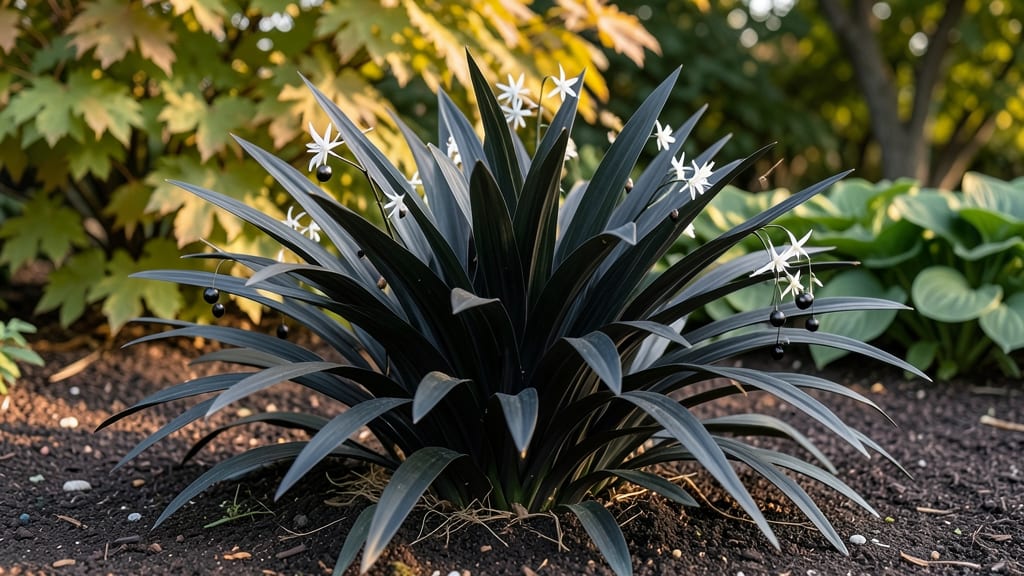
Black bush plants turn any garden into a dramatic statement. 🌿 These striking evergreens thrive where others falter—shady corners, urban courtyards, even under trees—with their deep purple-black foliage that pops against any backdrop.
Start with the right variety: Dracaena marginata (dragon tree) for architectural drama, Coprosma for glossy foliage, or Cotoneaster for berries and structure. They all love well-draining soil and tolerate shade, making them perfect for problem areas. Just avoid soggy roots—these plants hate wet feet.
With minimal pruning and occasional watering, you’ll end up with a lush, low-maintenance focal point that adds depth and texture. The glossy leaves reflect light beautifully, creating a rich contrast in shady spots where other plants struggle. Plus, they’re deer-resistant—ideal for rural gardens too.
Whether you’re filling a shadowy corner or adding height to a mixed border, black bush plants deliver drama with ease. Here’s how to get started with the right soil, light, and care routine for your climate.
📚 In This Guide
- What you need
- Instructions
- Tips and common mistakes
- Wrapping up and next steps
What you need
- ● Black bush plant tubers or cuttings: 2–3 healthy tubers (about 2–3 inches in diameter) or 3–4 stem cuttings (4–6 inches long) with at least 1–2 nodes.
- ● Well-draining potting mix: 1–2 bags (1 cubic foot each) of a blend designed for tropical plants (e.g., 60% peat moss, 20% perlite, 20% compost).
- ○ Growing containers (optional but recommended): 2–3 pots (12–16 inches in diameter) with drainage holes, or
- ● A raised garden bed (12x12 inches minimum) if planting directly in the ground.
- ● Slow-release fertilizer: 1–2 cups of balanced organic fertilizer (10-10-10 or similar) mixed into the soil.
- ● Garden trowel or small shovel for planting.
- ● Pruning shears (sterilized with rubbing alcohol) for trimming cuttings.
- ● Spray bottle with water for misting (especially if starting from cuttings).
- ○ Mulch (optional): 1–2 inches of shredded bark or leaves to retain moisture.
- ○ Shade cloth (optional): 30–50% coverage if your garden gets harsh afternoon sun.
- ● Watering can or hose with a gentle spray nozzle.
- ● 🌡️ Soil temperature: Wait until soil is at least 60°F (15°C) before planting tubers to avoid rot.
- ● ✨ Humidity boost: Place a tray of water near cuttings to mimic tropical conditions.
- ● 🎯 Location: Choose a spot with partial to full shade (2–6 hours of indirect light daily).
Step-by-step guide to cultivating a striking black bush plant
Here's how to transform your shady garden corner into a dramatic focal point with these bold, low-maintenance plants.
🌱 Step 1: Select the Right Black Bush Variety for Your Space
Choose between Dracaena marginata 'Black', Coleus scutellarioides 'Black Magic', or Heuchera 'Black Beauty' based on your climate. I always opt for Dracaena marginata for its architectural form—its deep black leaves create instant visual drama. If you prefer a bushier habit, Heuchera delivers lush foliage with striking purple-black tones that glow in filtered light.
Check your hardiness zone first—Dracaena thrives in zones 10-12, while Heuchera handles zones 4-9. Both perform best in partial to full shade, but Coleus tolerates more sun if you're in a cooler region. The key is matching the plant's native light preferences to your garden's microclimate.
🪴 Step 2: Prepare the Planting Site with Well-Draining Soil
Amend your native soil with 2-3 inches of organic compost to improve drainage—black bush plants despise soggy roots. I mix in perlite (about 1 part perlite to 4 parts soil) to prevent compaction, especially in clay-heavy gardens. Test your soil's moisture retention by squeezing a handful: if it forms a tight ball, add more perlite or coarse sand.
Dig a hole twice as wide as the plant's root ball but only as deep as the container it came in. Loosen the sides of the hole with a fork to encourage root spread. If planting multiple bushes, space them 18-24 inches apart—this gives foliage room to fill in without overcrowding. The goal is to mimic their natural growing conditions where roots breathe freely.
☀️ Step 3: Plant and Water for Immediate Establishment
Remove the plant from its container and gently tease the roots if they're circling. Place it in the hole so the top of the root ball sits level with the surrounding soil—burying too deep suffocates the stem. Backfill with native soil mixed with compost, pressing lightly to eliminate air pockets. Water immediately with a slow trickle until moisture seeps 6 inches deep—this prevents transplant shock.
Mulch with 2-3 inches of shredded bark to retain moisture and suppress weeds. Keep mulch 2 inches away from the stem to prevent rot. The first week is critical: water every 2-3 days until new growth appears. You'll know it's working when you see fresh black or deep purple leaves emerging from the center.
🌿 Step 4: Maintain with Minimal Care for Year-Round Drama
Black bush plants thrive on neglect once established. Water deeply once a week during dry spells, but check the soil first—top 2 inches should feel dry before watering again. Overwatering causes yellowing leaves, while underwatering makes foliage crisp at the edges. I use a moisture meter to avoid guesswork, especially in containers.
Fertilize lightly in spring with a balanced 10-10-10 formula diluted to half strength. Too much fertilizer burns roots and dilutes the bold colors. Prune leggy stems in early spring to encourage bushier growth—cut back to just above a leaf node where new growth will sprout. The result? A fuller plant with even darker foliage that stands out against lighter garden companions.
⏰ Step 5: Overwinter for Next Season's Growth
In colder zones, protect Heuchera with a 4-6 inch layer of mulch before the first frost. Dracaena needs winter care too—bring potted plants indoors to a bright, cool room (50-60°F) where they'll rest until spring. Check soil moisture monthly during dormancy—water sparingly to prevent root rot.
Prune dead or damaged leaves in late winter to make room for fresh growth. The reward? By early spring, your black bush plants will burst with new leaves that deepen in color, ready to anchor your shade garden's design. This is the moment they truly shine—when their rich tones contrast against spring blooms and fresh green foliage.
Tips & tricks for cultivating striking black bush plants
Here's what nobody tells you about growing these dramatic plants that'll make all the difference in your shade garden.
Variety Selection Matters: When choosing between Dracaena marginata 'Black' and Heuchera 'Black Beauty', consider their growth habits. The Dracaena grows vertically with striking architectural form, perfect for creating vertical interest in shady corners. Meanwhile, Heuchera spreads wider, ideal for ground cover or mass planting. I've found that Coleus scutellarioides 'Black Magic' offers a middle ground with bushy growth and vibrant foliage that thrives in slightly more sun.
Soil Preparation is Non-Negotiable: The 1:4 perlite-to-soil ratio is your best friend for preventing root rot, especially in clay-heavy soils. I've learned this the hard way—after planting Heuchera in unamended clay, I watched as the leaves turned yellow and wilted within weeks. The key is that loose, airy mix that mimics their natural growing conditions. For container plants, use a cactus/succulent mix with added perlite for even better drainage.
Watering Wisdom for Year-Round Health: Those first two weeks after planting are critical—watering every 2-3 days establishes strong roots. But once established, black bush plants are remarkably drought-tolerant. I've seen Dracaena survive weeks without water in my indoor collection, though the leaves do become slightly crisp at the edges. The top 2 inches dry test is foolproof: stick your finger in and feel for moisture before watering again. This prevents both overwatering and underwatering, both of which dull those dramatic colors.
Pruning Pays Off: That early spring pruning to just above a leaf node isn't just about tidying up—it's about encouraging bushier growth. I've noticed that plants I prune aggressively develop leaves that are even darker than their unpruned counterparts. For Dracaena, you can prune at any time, but timing your prune with new growth in spring gives the plant the best chance to recover quickly. The result? A fuller plant with more intense color that commands attention in your garden.
Pro Tips for Black Bush Plant
- Here's what nobody tells you about growing these dramatic plants that'll make all the difference in your shade garden.
- Variety Selection Matters: When choosing between Dracaena marginata 'Black' and Heuchera 'Black Beauty', consider their growth habits.
- Soil Preparation is Non-Negotiable: The 1:4 perlite-to-soil ratio is your best friend for preventing root rot, especially in clay-heavy soils.
Frequently asked questions
Got questions about growing black bush plant (Dichondra argentea 'Black Lace' or similar varieties)? You’re not alone! Here are answers to the most common queries to help you cultivate lush, velvety foliage with ease.
What’s the best sunlight for a black bush plant?
The black bush plant thrives in partial to full shade—think dappled sunlight or filtered light (e.g., under tall trees). Avoid harsh midday sun, which can scorch its delicate leaves. In hot climates, morning sun with afternoon shade works best. Pro tip: If leaves fade to green, it’s getting too much light!
How long does it take for a black bush plant to fill out?
With ideal conditions (moist, well-draining soil and shade), you’ll see noticeable growth in 4–6 weeks. Full, bushy coverage typically takes 3–6 months, depending on pruning and care. Pinch back leggy stems early to encourage a denser habit. Speed it up: Use a slow-release fertilizer at planting!
Why are my black bush plant leaves turning brown or crispy?
Brown edges or crispiness usually signals underwatering or overwatering. This shade-loving plant prefers consistently moist (not soggy) soil. Check the top inch of soil—if it’s dry, water deeply. If roots sit in water, improve drainage or reduce frequency. Fix it: Mulch to retain moisture and prevent extremes.
Can I grow a black bush plant in containers?
Containers are perfect for this trailing or mounding plant. Choose a pot with drainage holes and use a lightweight potting mix. Opt for 12–18 inches wide to accommodate its spreading habit. Repot every 2–3 years or when roots circle the edges. Bonus: Pair it with ferns or ivy for a lush, textured display!
What are some low-maintenance alternatives to black bush plant?
If you love the look but want easier care, try:
- Sweet potato vine (Ipomoea batatas): Fast-growing, drought-tolerant, and comes in purple/chartreuse.
- Creeping fig (Ficus pumila): Hardy, shade-friendly, and great for vertical gardens.
- Heuchera (Coral Bells): Striking foliage in deep purples/blacks; thrives in partial shade.
All three offer bold color with minimal fuss!
Wrapping up and next steps
Growing a black bush plant is a rewarding way to add drama and depth to your shade garden—no green thumb required! With the right spot, soil, and a little patience, you’ll enjoy its striking foliage year after year.
Whether you’re a seasoned gardener or just starting, this bold beauty proves that shade gardens can be just as vibrant as sunny ones.
Ready to take the next step? Start small:
- Pick a single plant to experiment with.
- Monitor its progress and adjust care as needed.
- Share your success (or lessons!) with fellow plant lovers—community gardens thrive on shared knowledge! 🌱