
Planting
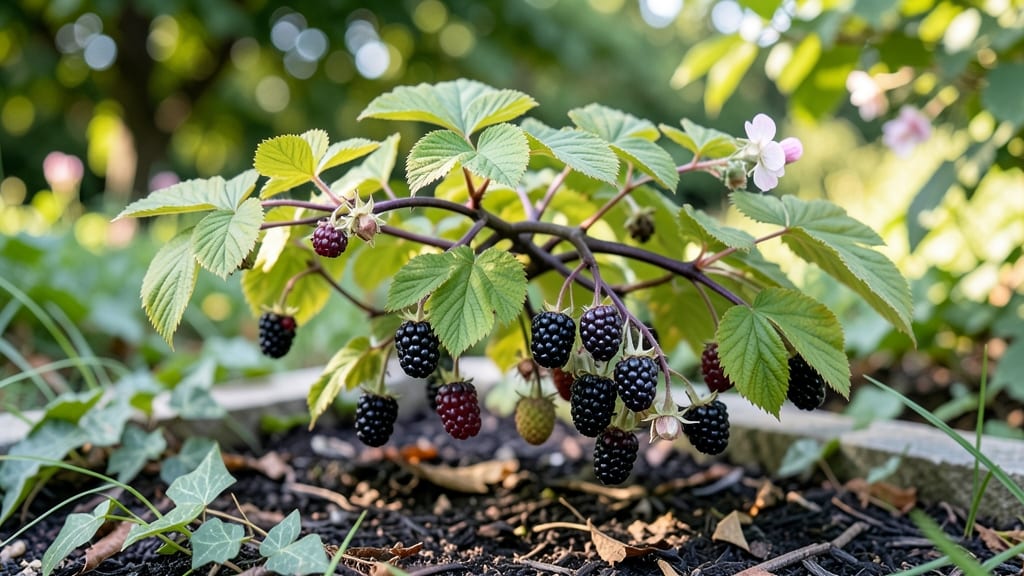
Black raspberry plants deliver shockingly lush canes and sweet-tart fruit with less fuss than you'd expect. 🌿 I've grown them for years, and the secret lies in their adaptability—thrive in partial shade, tolerate poor soil, and even handle neglect better than many garden stars.
The key is understanding their growth habits and seasonal rhythms, not constant babying. These vines reward patience with juicy, deep-black berries that ripen in late summer, plus stunning foliage that turns golden in fall.
You'll need well-draining soil, consistent moisture (but not soggy roots), and 3-4 feet of space between canes. The real magic happens when you prune correctly—removing old canes in early spring opens space for new growth that produces heavier harvests every year.
Winter care is minimal for hardy varieties like 'Boyne' or 'Jennings': just mulch heavily and protect young plants from late frosts. Pests like Japanese beetles or cane borers rarely become major issues if you monitor leaves regularly. The biggest mistake?
Over-fertilizing, which leads to leafy growth at the expense of fruit. Perfect for small gardens, fence lines, or even containers with dwarf varieties. Here's how to set up your black raspberries for effortless productivity—no green thumb required.
📚 In This Guide
- What you need
- Instructions
- Tips and common mistakes
- Wrapping up and next steps
What you need
- ● Black raspberry canes: 2–3 healthy, disease-free canes (bare-root or potted, depending on season). Look for varieties like Black Hawk or Jennings.
- ● Well-draining soil: A mix of native soil + compost (aim for 6.0–6.5 pH). Avoid heavy clay.
- ● Organic mulch: 2–3 inches of straw, wood chips, or shredded leaves to retain moisture and suppress weeds.
- ● Fertilizer: Balanced 10-10-10 or organic options like composted manure or a slow-release raspberry-specific fertilizer.
- ● Support system: A 6–8 ft tall trellis, fence, or wire mesh (at least 3 ft wide) to guide vertical growth.
- ● Watering can or hose: With a gentle spray nozzle to avoid damaging canes.
- ● Pruners: Sharp, clean bypass pruners (disinfect with rubbing alcohol between cuts).
- ● Gloves: Heavy-duty gardening gloves to protect against thorns.
- ● Drip irrigation system for consistent moisture.
- ● Bird netting to protect ripe berries from pests.
- ● Soil pH test kit to monitor acidity levels.
- ● Epsom salt (magnesium sulfate) for micronutrient boosts during fruiting.
- ● Row cover fabric for early-season frost protection.
Step-by-step instructions for cultivating thriving black raspberry vines
Here’s how to establish a productive black raspberry patch with minimal fuss—no fancy equipment or endless pruning required.
🌱 Step 1: Choose the Perfect Planting Site
Black raspberries thrive in full sun—select a spot that receives at least 6-8 hours of direct sunlight daily. I always scout for a location with morning sun and afternoon shade if your climate gets scorching summers, as this prevents leaf scorch while maximizing fruit production. The soil should drain well but retain moisture; if your yard has heavy clay, amend with 2-3 inches of compost mixed into the top 12 inches of soil.
Test your soil’s pH—black raspberries prefer slightly acidic to neutral soil (pH 6.0-6.5). If your soil tests higher, incorporate sulfur or peat moss to lower the pH gradually. Avoid low-lying areas where water pools after rain, as soggy roots lead to root rot and weak canes.
🪴 Step 2: Plant Canes at the Right Depth and Spacing
Dig holes 18-24 inches apart for each cane, spacing rows 6-8 feet apart to allow airflow and easy harvesting. The hole should be just deep enough to accommodate the root ball without bending the canes. Black raspberries have shallow roots, so bury the crown (where roots meet stems) at soil level—planting too deep suffocates the plant, while planting too shallow exposes roots to drying.
Gently loosen the roots of container-grown canes before placing them in the hole. Backfill with native soil mixed with 1 cup of balanced fertilizer (10-10-10) per hole, then water deeply to settle the soil. Mulch around the base with 2-3 inches of straw or wood chips, keeping it 3-4 inches away from the crown to prevent rot.
☀️ Step 3: Water Deeply and Establish a Routine
Black raspberries need consistent moisture, especially during the first growing season. Water 1-2 inches per week, aiming for deep waterings (6-8 inches into the soil) every 4-5 days rather than light daily sprinkles. You’ll know you’re doing it right when the top 2 inches of soil feel damp but not soggy—stick your finger in to check.
Once established, black raspberries are drought-tolerant but produce best with steady moisture. During fruiting season, increase watering to 1.5 inches per week, focusing on the root zone. Avoid wetting the leaves when possible to reduce disease risk—use drip irrigation or soaker hoses for targeted watering.
✂️ Step 4: Prune for Productivity and Airflow
Prune in late winter or early spring before new growth begins. Remove dead, diseased, or weak canes at the base, then cut back any remaining canes to 4-5 feet tall. Black raspberries produce fruit on second-year canes, so leave 6-8 of the strongest, most vigorous canes per plant—this ensures a bountiful harvest while preventing overcrowding.
Throughout the season, watch for suckers (shoots growing from the base) and wild canes (thin, spindly growth). Remove these immediately—they drain energy from your productive canes. After harvest, cut back any fruited canes to the ground to encourage new growth for next year’s crop.
🌿 Step 5: Fertilize and Protect for Long-Term Health
Feed black raspberries in early spring with a balanced fertilizer (10-10-10) at ½ pound per 100 square feet. In mid-summer, switch to a low-nitrogen, high-phosphorus formula (5-10-10) to support fruit development. Avoid high-nitrogen fertilizers after June, as they promote leafy growth at the expense of fruit.
Protect your plants from pests like Japanese beetles and raspberry cane borers by applying neem oil or insecticidal soap as needed. For birds and wildlife, cover plants with floating row covers during fruiting season if necessary. With proper care, your black raspberries will reward you with sweet, flavorful berries for years to come.
Tips & tricks for perfect black raspberry plant care
Here's what nobody tells you about growing black raspberries that actually produces fruit year after year.
Sunlight Strategy: While 6-8 hours of daily sun is ideal, pay close attention to your climate. In hotter regions, I've found that morning sun with afternoon shade prevents leaf scorch while still maximizing fruit production. If you notice leaves curling or turning brown in the afternoon, consider providing some shade during peak heat hours—this keeps your plants healthy for better yields.
Soil Preparation Secret: Before planting, I always dig in 2-3 inches of compost into the top 12 inches of soil. This improves drainage while retaining moisture—critical for black raspberries. For heavy clay soils, mix in coarse sand or perlite to create better aeration. The goal is soil that feels like a well-wrung sponge: damp but not waterlogged. Test your soil's pH too; black raspberries prefer slightly acidic to neutral (6.0-6.5), and you can adjust with sulfur or peat moss if needed.
Watering Wisdom: The 1-2 inches per week guideline works well, but timing matters just as much. Water deeply in the morning so leaves have time to dry before evening, reducing fungal diseases. I use a moisture meter to check that water penetrates 6-8 inches into the soil—this encourages deep root growth. During fruiting season, increase to 1.5 inches per week, focusing on the root zone rather than wetting leaves.
Pruning Precision: When pruning in late winter, I always leave 6-8 of the strongest canes at 4-5 feet tall. These second-year canes produce the best fruit. Throughout the season, remove suckers and wild canes immediately—they steal energy from your productive canes. After harvest, cut back any fruited canes to the ground to redirect the plant's energy into next year's growth. This systematic approach keeps your black raspberries productive for decades.
Pro Tips for Black Rasberry Plant
- Here's what nobody tells you about growing black raspberries that actually produces fruit year after year.
- Sunlight Strategy: While 6-8 hours of daily sun is ideal, pay close attention to your climate.
- Soil Preparation Secret: Before planting, I always dig in 2-3 inches of compost into the top 12 inches of soil.
Frequently asked questions
Got questions about growing black raspberry plants? You’re not alone! Here are answers to the most common queries to help you cultivate thriving vines with ease.
How long does it take for black raspberry plants to bear fruit?
Patience is key! Black raspberry plants typically take 2–3 years to produce fruit after planting. The first year focuses on root and cane establishment, while the second year yields light crops. By year three, you’ll enjoy a full harvest if conditions are ideal (sun, soil, and pruning!).
Can black raspberries grow in hot climates?
Yes, but with care! Black raspberries prefer moderate temperatures (60–80°F) and may struggle in extreme heat (above 90°F). To help them thrive:
- Provide afternoon shade during peak summer.
- Mulch heavily to retain moisture.
- Water deeply early in the morning to reduce evaporation.
Do black raspberry plants need pruning? If so, when?
Pruning keeps vines productive and healthy. Here’s a quick guide:
- Winter (dormant season): Remove dead, diseased, or weak canes at ground level.
- Spring (early): Cut back last year’s fruited canes (they won’t produce again). Leave 12–15 healthy canes per plant.
- Summer (ongoing):** Thin new shoots to improve airflow and fruit size.
Why aren’t my black raspberries ripening?
Several factors can delay ripening, but don’t worry—it’s often fixable! Check these common culprits:
Issue
Solution
Insufficient sunlight
Move plants to a sunnier spot (6+ hours/day) or thin nearby foliage.
Overwatering or poor drainage
Ensure soil is well-draining and water only when the top inch is dry.
Nutrient deficiency (especially nitrogen or phosphorus)
Apply a balanced fertilizer (10-10-10) in early spring.
Pests (e.g., Japanese beetles, spider mites)
Use organic sprays (neem oil) or introduce beneficial insects like ladybugs.
Are black raspberries different from blackberries?
While they look similar, they’re not the same:
- Black raspberries:
- Grow on separate canes each year (primocanes vs. floricanes).
- Fruit forms on second-year canes (floricanes).
- Taste tart-sweet with a hollow center.
- Blackberries:
- Produce fruit on both first- and second-year canes (everbearing varieties).
- Fruit is firmer, less hollow, and often sweeter.
Wrapping up and next steps
Growing a black raspberry plant is a rewarding journey that brings delicious fruit with minimal fuss! 🌱 With the right soil, sunlight, and a little patience, you’ll enjoy a thriving vine that produces flavorful berries year after year.
Whether you’re a beginner or an experienced gardener, these tips make the process simple and stress-free.
Ready to take the next step? Start by selecting healthy plants and giving them the care they deserve—your future harvest will thank you! 🍇