
Planting
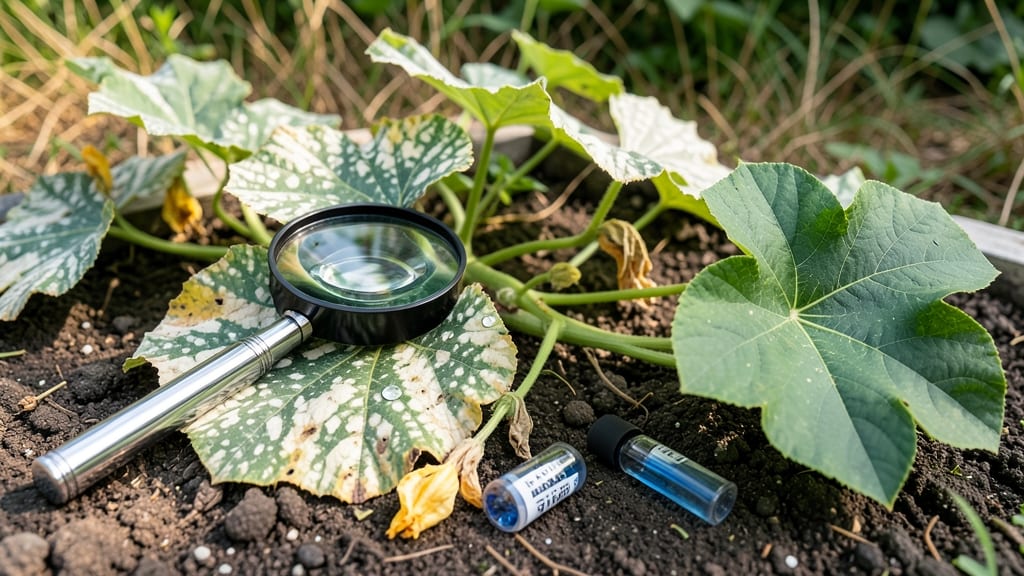
Pumpkin plant leaves turning white?
That powdery white dust isn’t just ugly—it’s likely powdery mildew, and it spreads fast if you ignore it. 🌱 I’ve seen entire vines collapse from this fungal infection, but the good news is you can turn things around with 3 simple steps that don’t require harsh chemicals.
The key is acting early and keeping your plants healthy.
Most white leaves start with powdery mildew, but nutrient deficiencies (like too much nitrogen) or environmental stress (like poor airflow) can cause similar symptoms. Check the undersides of leaves first—if you see white spots there, it’s almost always mildew.
The sooner you spot it, the easier it is to fix before the whole plant looks like it’s been dusted with flour.
You’ll restore those leaves to a deep, healthy green in just 1-2 weeks with a mix of preventive sprays (like neem oil), proper spacing (so air circulates), and a balanced fertilizer.
The best part? These fixes work for squash, cucumbers, and melons too. No more sad, white leaves ruining your harvest—just strong, productive vines.
Whether you’re growing in the ground or containers, these steps adapt easily. The only real rule is consistency: check your plants every 3-4 days during humid weather, and you’ll catch problems before they spiral. Let’s get those pumpkins back to their vibrant best!
Root Causes of Pale Pumpkin Leaves
When your pumpkin plant’s leaves start turning white, it’s often a cry for help from the roots—or something lurking in the environment. Understanding the why behind this discoloration is the first step to saving your harvest.
Below, we break down the most common culprits, their science, and how they disrupt your pumpkin’s health.
---
Pumpkin plants thrive in warmth, but too much direct sunlight—especially during scorching afternoons—can bleach leaves white.
This happens when: - Excessive UV exposure damages chlorophyll (the green pigment responsible for photosynthesis). - Transpiration overload occurs: the plant loses water faster than roots can absorb it, leading to sunburn-like bleaching on leaf edges. - High temperatures (above 90°F/32°C) disrupt cellular function, causing oxidative stress and white, papery patches.
Actionable clue: Check for white, crispy patches on upper leaves (facing the sun) while lower leaves stay green.
---
White leaves can signal root suffocation from soggy soil.
Here’s how it happens: - Oxygen deprivation in waterlogged roots triggers anaerobic conditions, where roots can’t absorb nutrients efficiently. - Fungal infections (like Phytophthora or Pythium) thrive in wet soil, clogging root vessels and causing chlorosis (loss of green pigment). - Salt buildup from tap water or fertilizers accumulates in soil, toxic to roots, leading to white, wilted foliage.
Actionable clue: Soil feels slimy or smells sour when squeezed. Leaves may also show yellowing between veins before turning white.
---
Pumpkins need 16 essential nutrients, and missing key ones can bleach leaves white: - Magnesium deficiency (often from over-fertilizing with nitrogen) causes interveinal chlorosis (white patches between veins) as chlorophyll breaks down. - Zinc or iron deficiency (common in alkaline soils) disrupts chlorophyll production, leading to white, brittle new growth. - Excessive phosphorus can lock out other nutrients, starving leaves of green pigment.
Actionable clue: - White veins = Magnesium issue. - White tips on new leaves = Zinc/iron problem. - Slow growth + white leaves = Phosphorus overload.
--- Certain pests and pathogens feed on leaf tissue, leaving behind white, skeletonized, or powdery residues: - Powdery mildew (Podosphaera xanthii) coats leaves in white, talcum-like fungus, blocking sunlight and suffocating cells. - Spider mites suck sap, causing stippling (white dots) and eventual leaf death. - Aphids excrete honeydew, which fosters sooty mold (a black fungus that can appear alongside white-spotted leaves).
Actionable clue: - White powder (mildew) vs. tiny webs (mites) vs. sticky residue (aphids). - Check undersides of leaves first—pests love the shade!
--- Beyond pests and water, airborne issues can turn leaves white: - High humidity + poor airflow = Powdery mildew (see above). - Windburn (dry, abrasive winds) scours leaf surfaces, causing white, papery patches on exposed sides. - Air pollution (ozone, sulfur dioxide) damages chloroplasts, leading to bleached, necrotic spots.
Actionable clue: - White patches on windward (upwind) sides of leaves. - No visible pests but leaves still look "burned."
--- Mistakes in fertilizers, herbicides, or pesticides can bleach leaves white: - Over-salting soil (from too much synthetic fertilizer) burns roots, halting nutrient uptake. - Herbicide drift (e.g., glyphosate) can disrupt cell membranes, causing white, blistered patches. - Chlorine in tap water (if used for foliar sprays) oxidizes leaf tissue, leading to white, crispy edges.
Actionable clue: - White damage appears suddenly after fertilizing or spraying. - No pest signs, but leaves look chemically "cooked."
Quick Fixes for Pale Pumpkin Leaves
Reviving your pumpkin plant’s lush green leaves starts with identifying the root cause—and then taking action. Whether it’s a nutrient deficiency, pest invasion, or environmental stress, these step-by-step solutions will help restore your plant’s vibrancy.
Let’s dive into the fixes tailored to each common issue, plus prevention tips to keep your pumpkin thriving.
---
If your pumpkin leaves are turning white or pale due to a lack of essential nutrients, here’s how to correct it:
#### 🔥 Step 1: Test Your Soil Before adding anything, check your soil’s health.
Grab a small sample from the root zone and test it for: - pH levels (ideal: 6.0–6.8 for pumpkins) - Nitrogen (N), Phosphorus (P), Potassium (K) balance Use a DIY soil test kit (available at garden centers) or send a sample to a local extension office for a detailed report.
#### 🍳 Step 2: Apply the Right Fertilizer Pumpkins need a balanced fertilizer with a higher phosphorus content to support flowering and fruiting.
Here’s what to use: - For Nitrogen Deficiency (Pale Yellow Leaves): - Quick Fix: Sprinkle blood meal or fish emulsion around the base (follow package instructions). - Long-Term: Switch to a 10-10-10 or 5-10-10 fertilizer (N-P-K ratio). - For Magnesium Deficiency (White Edges or Spots): - Quick Fix: Dust Epsom salt (magnesium sulfate) lightly over the soil (1 tablespoon per gallon of water, applied weekly). - Prevention: Add compost or aged manure to boost magnesium naturally. - For Iron Deficiency (Chlorosis – Yellow Between Veins): - Quick Fix: Use an iron chelate spray (available at garden stores) or mix 1 teaspoon of iron sulfate per gallon of water and spray on leaves. - Prevention: Avoid overwatering and ensure good drainage.
#### 👨🍳 Step 3: Feed the Roots Properly - Avoid over-fertilizing, which can burn roots. Instead, side-dress (apply fertilizer alongside roots) every 3–4 weeks during the growing season. - Mulch with straw or shredded leaves to retain moisture and nutrients while preventing soil erosion.
---
If pests or fungal infections are causing white spots or powdery residue, act fast to prevent spread.
#### 🔪 Step 1: Identify the Culprit - Powdery Mildew: White, powdery coating (especially on upper leaves). - Spider Mites: Tiny white webs and stippled leaves. - Aphids: Sticky residue (honeydew) and curled leaves. - Fungal Spots: White or grayish patches with yellow halos.
#### 🌡️ Step 2: Remove and Isolate Affected Leaves - Prune heavily infected leaves with sterilized scissors and dispose of them in the trash (not compost). - Isolate the plant if possible to prevent spreading to other garden areas.
#### 🎯 Step 3: Apply Natural or Chemical Treatments | Problem | Solution | Prevention Tip | |----------------------|------------------------------------------------------------------------------|-----------------------------------------------------------------------------------| | Powdery Mildew | Spray with neem oil (1 tsp per quart of water) or baking soda mix (1 tbsp baking soda + 1 tsp soap + 1 gallon water).
Repeat every 7–10 days. | Improve air circulation with spacing or pruning.
Water early in the day so leaves dry quickly. | | Spider Mites | Blast off mites with a strong spray of water, then apply insecticidal soap or horticultural oil. | Introduce predatory mites or ladybugs as natural predators.
Keep humidity moderate. | | Aphids | Spray with soapy water (1 tsp mild soap per quart) or neem oil.
Repeat as needed. | Encourage ladybugs and lacewings by planting dill, fennel, or marigolds nearby. | | Fungal Infections| Use copper fungicide or organic options like garlic spray (blend 1 garlic bulb + 1 quart water, strain, and spray). | Avoid overhead watering; water at the base of the plant.
Remove debris regularly. |
---
If your pumpkin leaves are turning white due to environmental factors, adjust these conditions:
#### 🌡️ Step 1: Check Watering Habits - Overwatering: Leads to root rot and nutrient washout. - Fix: Let the top 1–2 inches of soil dry out between waterings.
Use a moisture meter if unsure. - Prevention: Improve drainage with perlite or sand in heavy clay soils. - Underwatering: Causes stress and nutrient uptake issues. - Fix: Water deeply 1–2 times per week (more in extreme heat). Use drip irrigation for consistency.
#### 🔥 Step 2: Optimize Sunlight and Temperature - Too Much Sun (Bleached Spots): Move plants to partial shade (especially in hot climates) or provide light shade cloth. - Too Little Sun (Weak Growth): Ensure 6–8 hours of direct sunlight daily.
Use a grow light if indoors. - Temperature Stress: Pumpkins thrive in 70–85°F (21–29°C). If nights drop below 50°F (10°C), use row covers or black plastic mulch to retain heat.
#### ✨ Step 3: Boost Airflow and Space - Crowded Plants: Thin seedlings to 2–3 feet apart to prevent fungal diseases and improve airflow. - Poor Ventilation: Use a fan on low setting near plants to mimic wind and reduce humidity around leaves.
---
Keep your pumpkin plants lush and healthy with these proactive strategies: - 💡 Rotate Crops: Avoid planting pumpkins in the same spot yearly to prevent nutrient depletion and disease buildup. - 🌱 Use Compost: Mix well-aged compost into the soil before planting for a nutrient-rich foundation. - 🚫 Monitor Early: Check leaves weekly for early signs of stress, pests, or disease. - 🌿 Companion Planting: Grow marigolds, nasturtiums, or basil nearby to repel pests and attract beneficial insects. - 📅 Plant at the Right Time: Start seeds 2–3 weeks before the last frost for optimal growth timing.
--- By addressing the root cause and following these simple, actionable steps, your pumpkin plant’s leaves should regain their rich green color within 1–2 weeks. Stay consistent with care, and you’ll be harvesting vibrant, healthy pumpkins in no time! 🎃🌿
Frequently asked questions
Why do pumpkin leaves turn white in patches but stay green in others?
This is often powdery mildew, a fungal infection that thrives in warm, humid conditions. The white patches block sunlight, causing affected areas to turn white while healthy tissue remains green. Check leaf undersides—if you see fuzzy white growth, it's definitely mildew. Act fast with neem oil or baking soda spray to prevent spread.
Can I still harvest pumpkins if the leaves are turning white?
Yes, but focus on existing fruit first. White leaves mean the plant is stressed, so new growth may be affected. Harvest mature pumpkins immediately to reduce strain, then treat the leaves to restore plant health. If only a few leaves are affected, your harvest shouldn't be impacted.
How do I tell if white leaves are from powdery mildew vs. nutrient deficiency?
Powdery mildew appears as a white, dusty coating (like flour) on leaf surfaces, especially on upper leaves. Nutrient deficiencies cause white patches between veins (magnesium) or white tips (zinc/iron). The key difference: mildew is fuzzy and spreads quickly, while deficiencies appear more uniform and progress slowly.
Will pruning white leaves help my pumpkin plant recover?
Prune heavily infected leaves immediately to prevent the fungus from spreading. Use sterilized scissors and dispose of pruned leaves in the trash (not compost). This improves airflow and redirects the plant's energy to healthy growth. Follow up with a fungicide spray for best results.
Can I use household items to treat white leaves on pumpkins?
Yes! Mix 1 tablespoon baking soda + 1 teaspoon mild dish soap + 1 gallon water for a natural fungicide. Spray on leaves every 7-10 days until white patches disappear. For pests like spider mites, use a soapy water spray (1 tsp soap per quart of water) to blast them off leaves.