
Planting
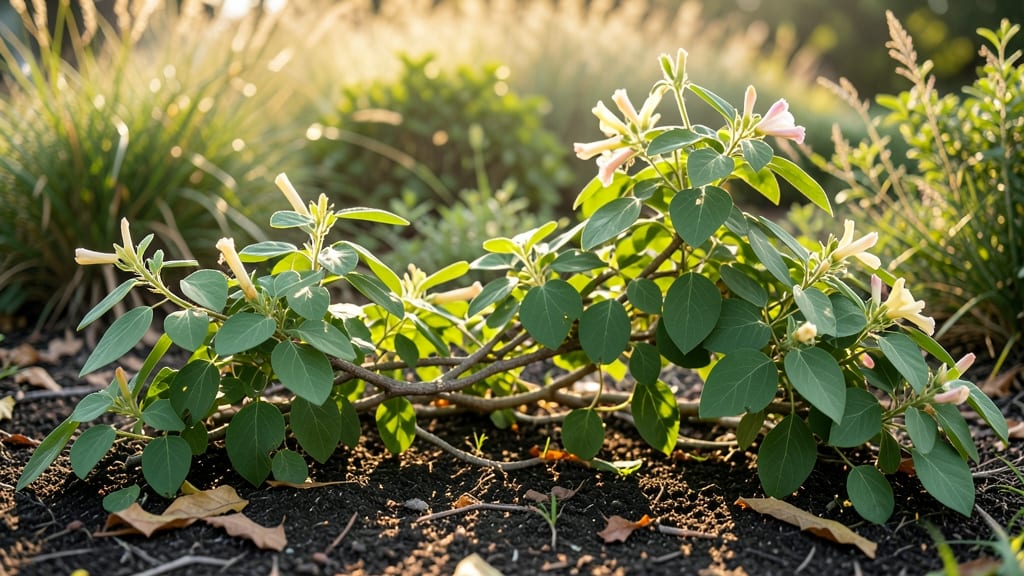
Your honeysuckle plant leaves turning yellow can be a warning sign that something needs attention—but it’s also a fixable problem.
Picture this: you’ve nurtured your climbing 🌸 honeysuckle all spring, only to wake up one morning and find the once-vibrant leaves now pale and drooping. Before you panic, know this is rarely a death sentence.
The key lies in understanding whether your plant is thirsty, starving, or fighting off an unseen invader.
Overwatering, nutrient deficiencies, and fungal infections like powdery mildew are the top culprits behind yellowing honeysuckle leaves. Each leaves its own clues—from crispy edges to splotchy patches—and knowing how to read them saves time and frustration.
In this guide, I’ll walk you through the three most common causes, how to diagnose them quickly, and the step-by-step fixes to bring your honeysuckle back to full, healthy green. No guesswork, just actionable solutions.
3 Most common reasons honeysuckle leaves turn yellow (and how to diagnose them)
Yellowing honeysuckle leaves can be alarming, but the good news is most issues stem from three common causes. Each problem has distinct visual clues that help you diagnose the exact issue.
By identifying these symptoms early, you can take targeted action to restore your plant's health and prevent further damage. Let's break down the most frequent culprits affecting your honeysuckle vine.
First-time gardeners often confuse yellow leaves with normal aging, but honeysuckle leaves typically maintain their vibrant green color throughout the growing season. When you notice uneven yellowing, crispy edges, or spotted patterns, these are clear signals your plant needs attention.
The key is examining the leaf pattern, stem condition, and soil moisture to pinpoint the exact problem.
I've seen honeysuckle plants recover beautifully once the root cause is addressed. Whether it's overwatering, nutrient deficiencies, or fungal infections, each condition requires a different approach. Let's examine these three most common reasons with their distinctive symptoms so you can make an accurate diagnosis.
🌱 Visual Diagnosis Tip: Always check the underside of leaves first - this is where many fungal issues first appear. Also, gently scratch the bark to see if there's black sooty mold (common with aphid infestations that often accompany nutrient deficiencies).
| Issue | Leaf Symptoms | Stem/Plant Condition | Soil Condition | Quick Fix |
|---|---|---|---|---|
| Overwatering | Yellowing starts at leaf tips, progresses inward. Leaves feel soggy or mushy. Brown crispy edges appear. | Stems appear soft when pressed. Roots smell rotten. Plant may wilt despite wet soil. | Waterlogged soil. Top inch stays wet for days. May have white mold growth. | Stop watering immediately. Let soil dry completely between waterings. Improve drainage with perlite or gravel. |
| Nutrient Deficiency | Pale yellow leaves (chlorosis) starting on older leaves first. Veins remain green. Leaves may curl or pucker. | Stems appear thin or weak. May have aphid colonies (black sooty mold). Slow growth. | Poor soil with low organic matter. May be alkaline (pH > 7.0). Nutrient-poor. | Apply balanced fertilizer (10-10-10). Add compost to soil. For alkaline soil, use sulfur to lower pH. |
| Fungal Infection | Yellow spots with brown edges. Spots may have fuzzy white or black centers. Leaves develop holes. | Stems may have black cankers. Plant growth appears stunted. Leaves may droop. | Compacted or waterlogged soil. High humidity conditions. Poor air circulation. | Prune infected leaves immediately. Apply copper fungicide or neem oil. Improve air flow around plant. |
When diagnosing your honeysuckle, start by examining the leaf pattern - this gives the biggest clue about what's wrong. For example, yellowing between veins typically indicates a nutrient deficiency, while brown crispy edges usually point to overwatering.
I always check the soil moisture next, as this can confirm whether your plant is getting too much or too little water.
Don't overlook the underside of leaves - this is where fungal spores often appear first. If you see white powdery coatings or black sooty mold, these are clear signs of fungal activity.
In my experience, catching these early makes treatment much simpler. The key is acting quickly before the infection spreads to healthy leaves.
Another important visual clue is the growth pattern of new leaves. If your honeysuckle is producing small, pale leaves despite regular watering, this often signals a nutrient deficiency.
Healthy honeysuckle leaves should be dark green, glossy, and firm to the touch. Any deviation from this indicates your plant needs adjustment.
💧 Pro Tip: Always check the root zone before diagnosing. Gently dig around the base of your plant to see if roots are healthy and white (good) or black and mushy (root rot).
Healthy roots should smell earthy, while rotting roots emit a sour odor. This simple check can save your plant from unnecessary treatment.
Remember that honeysuckle plants are heavy feeders, especially during their spring and summer growth phases. If you've been neglecting fertilizer applications, the yellowing could simply be your plant's way of telling you it's hungry for nutrients.
In my garden, I've seen dramatic improvements within 2-3 weeks after applying a balanced fertilizer.
Step-by-step fixes for yellowing honeysuckle leaves based on cause
Yellowing honeysuckle leaves can be frustrating, but the good news is that most causes have simple, effective solutions. The key is identifying the specific issue—whether it's overwatering, nutrient deficiency, or fungal infection—and addressing it directly.
Once you pinpoint the problem, you can restore your plant's health with targeted care.
Let’s tackle each cause with a clear, actionable plan. From adjusting your watering schedule to applying organic soil amendments, these steps will help your honeysuckle bounce back. Remember, consistency is key—your plant will thank you for the attention!
-
💧 For Overwatering:
- Stop watering immediately and let the soil dry out completely.
- Check soil moisture by inserting your finger 2 inches deep—water only if dry.
- Improve drainage by adding perlite or sand to heavy soil.
- Repot if using containers to ensure proper drainage holes.
-
🌱 For Nutrient Deficiency:
- Apply a balanced fertilizer (10-10-10) every 4-6 weeks during growing season.
- Add compost or aged manure to enrich soil with organic nutrients.
- Test soil pH—honeysuckle prefers 6.0-7.0; amend with lime or sulfur if needed.
- Use seaweed extract for a quick nutrient boost.
-
✂️ For Fungal Infection:
- Prune affected leaves immediately using sterilized tools to prevent spread.
- Apply neem oil or copper fungicide every 7-10 days until symptoms improve.
- Ensure good air circulation by spacing plants properly.
- Avoid overhead watering—water at the base of the plant instead.
If your honeysuckle is struggling with yellowing leaves, start by assessing the soil moisture and leaf texture. Soft, mushy leaves with yellowing edges often indicate overwatering, while crispy, dry leaves suggest underwatering.
For nutrient issues, look for pale yellow leaves or stunted growth—these are clear signs your plant needs feeding.
Once you’ve implemented the fixes, monitor your honeysuckle closely. Healthy new growth should appear within 2-4 weeks, depending on the cause. If yellowing persists, consider testing your soil or consulting a local nursery for expert advice. Your plant’s recovery is entirely possible with the right care!
Don’t forget to prune regularly to encourage airflow and remove dead foliage. This simple habit can prevent future issues and keep your honeysuckle thriving for years. With these steps, your vine will be back to its vibrant self in no time! 🌿