
Planting
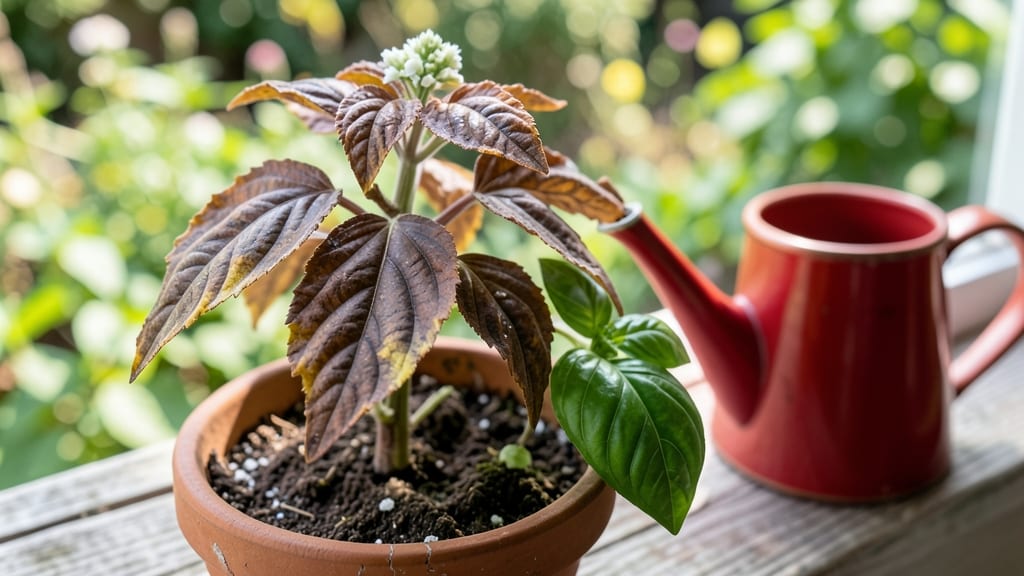
Brown leaves on your basil plant don’t mean your harvest is ruined—this simple fungal blight fix saves your plants every time. 🌱 I’ve nursed back more struggling basil than I’d like to admit, and the secret starts with identifying whether your plant is thirsty, drowning, or fighting off fungal invaders like bacterial leaf spot or powdery mildew.
The first step is always a close look: check the soil moisture, inspect leaves for pests, and confirm if the brown spots are crispy (underwatered) or mushy (overwatered).
Once you know the cause, the fix is straightforward—prune affected leaves, adjust watering, and apply a foolproof organic spray like neem oil or baking soda solution if fungus is to blame.
Within 3-5 days, you’ll see fresh green growth pushing through as the plant recovers. The key is acting fast—basil is resilient, but fungal diseases spread quickly if left unchecked. With the right care, your plants will bounce back stronger than ever, ready for another harvest.
This method works for container-grown basil, window-sill gardens, or even your backyard plot. The same principles apply whether your basil is wilting from heat stress or struggling in inconsistent light. Let’s get those leaves turning green again!
Root Causes Of Basil Leaf Discoloration
When your basil plant starts showing brown leaves, it’s usually a cry for help—whether from environmental stress, disease, or poor care. Understanding the exact trigger is key to saving your plant before the damage spreads.
Below, we break down the most common culprits, complete with why they happen and how to spot them early.
Basil thrives in warmth but can scorch when exposed to intense, direct sunlight—especially in hot afternoons. When temperatures soar above 90°F (32°C), the plant’s leaves absorb too much radiation, causing:
- Brown, crispy edges (like paper burning)
- Yellowing between veins (a classic sunburn sign)
- Leaves curling upward to protect themselves
Why it happens: Basil’s delicate leaves contain chlorophyll, which breaks down under excessive UV exposure. The plant’s cuticle (a waxy protective layer) can’t shield it fast enough, leading to oxidative stress and cell death.
Pro tip: If your basil is in a south-facing window or outdoor pot, move it to partial shade by 11 AM. Use a light shade cloth (30-50%) for outdoor plants to filter harsh rays. 🌿
Basil is thirsty but sensitive—both overwatering and underwatering can trigger browning leaves. Here’s how to tell them apart:
####🔥 Overwatering (Root Rot Risk)
When soil stays soggy for days, basil’s roots suffocate from lack of oxygen, leading to:
- Yellowing leaves that turn brown and mushy
- Blackened stems at the base (fungal rot sets in)
- Slow wilting despite wet soil
Why it happens: Overwatering creates anaerobic conditions, where harmful bacteria and fungi like Pythium or Phytophthora thrive. These pathogens clog root pores, blocking nutrient uptake and causing oxidative damage to leaves.
####💦 Underwatering (Stress Signals)
When soil dries out completely, basil’s leaves wilting and crisp as they:
- Turn brown at the edges (like burnt paper)
- Feel dry and brittle to the touch
- Curl inward to conserve moisture
Why it happens: Underwatering triggers osmotic stress, where the plant loses turgor pressure (the water pressure keeping cells rigid). Without enough water, chloroplasts (the leaf’s energy factories) degrade, leading to necrosis (cell death).
Fix it: Stick your finger 1 inch into the soil—if it’s dry, water deeply until it drains from the bottom. If it’s soggy, withhold water and repot in well-draining soil (mix potting soil with perlite or sand). 💧
Fungal blights like downy mildew or bacterial leaf spot are common in humid conditions and can turn basil leaves brown in days. Here’s how to identify them:
####🍃 Downy Mildew (Peronospora belbahrii)
This opportunistic fungus thrives in humid, shady conditions and causes:
- Yellow spots on top leaves that turn brown and oily
- Fuzzy gray mold on the undersides of leaves (hence “downy”)
- Leaves crisping and dying within a week
Why it happens: The fungus spores land on leaves and germinate in moisture (above 70% humidity). It penetrates leaf tissue, disrupting photosynthesis and clogging stomata (leaf pores), which causes browning.
####🦠 Bacterial Leaf Spot (Xanthomonas campestris)
This bacterial infection spreads via water splashes and creates:
- Small, water-soaked brown spots with yellow halos
- Spots merging into large, dead areas
- Leaves dropping prematurely
Why it happens: Bacteria enter through leaf wounds (like from wind or pruning) and multiply in wet conditions. They secrete toxins that disrupt cell membranes, leading to necrosis (browning).
Stop the spread:
- Remove infected leaves immediately (don’t compost them!)
- Space plants for airflow (fungus loves stagnant air)
- Apply copper fungicide or a baking soda spray (1 tsp baking soda + 1 quart water + a drop of dish soap)
- Avoid overhead watering—water at the base instead.
Basil is a warm-weather herb and hates cold drafts, which can shock the plant into browning leaves. Look for:
- Purple or blackened tips (from cold damage)
- Leaves wilting even when soil is moist
- Slow growth despite good sunlight
Why it happens: Basil’s optimal temperature range is 70-85°F (21-29°C). Below 50°F (10°C), its cell membranes stiffen, disrupting water and nutrient transport. Cold also weakens chlorophyll production, leading to browning. Drafts (like AC vents or open windows) create thermal shock, causing vascular damage.
Protect your basil:
- Move pots indoors at night if temps drop below 55°F (13°C).
-
Fixing Basil’s Browned Leaves Fast
When your basil plant’s leaves turn brown, it’s a cry for help—but don’t panic! With the right fixes, you can revive your plant and keep it thriving.
Below, we’ve mapped out practical solutions for the most common causes of brown leaves, along with prevention tips to keep your basil lush and green.
If your basil’s leaves are yellowing or browning at the edges (or even mushy), it’s likely drowning in too much water. Basil hates soggy roots, which can lead to root rot and fungal infections.
#### How to Fix It: 🔥 Stop Watering Immediately – Let the top 1–2 inches of soil dry out completely before watering again. 🍳 Check Your Pot – Ensure it has drainage holes (if not, repot your basil into a container with holes). 👨🍳 Repot if Needed – If the roots smell foul or look black/mushy, trim the affected roots, dust with cinnamon (a natural antifungal), and repot in fresh, well-draining soil. 🥘 Adjust Your Routine – Water only when the soil feels dry to the touch (usually every 2–3 days, depending on humidity and heat). #### Prevention Tips: ✨ Use a Moisture Meter – Stick one in the soil to avoid guesswork. 🌡️ Group Plants Together – Basil thrives in humidity, so place it near other herbs to retain moisture naturally. 🎯 Water at the Base – Avoid wetting the leaves to prevent fungal spread.Basil loves sunlight, but too much direct sun (especially intense afternoon rays) can scorch leaves, turning them crispy and brown. This is common in hot climates or if you moved your plant outside too suddenly.
#### How to Fix It: 🔥 Move to Partial Shade – Place your basil in morning sun + afternoon shade (or under 50% shade cloth). 🍳 Gradual Acclimation – If transitioning from indoors to outdoors, harden off your basil over 5–7 days by exposing it to increasing sunlight. 👨🍳 Prune Damaged Leaves – Snip off severely browned leaves to encourage new growth. 🥘 Mulch the Soil – A layer of straw or mulch keeps roots cooler and reduces stress. #### Prevention Tips: ✨ Choose the Right Spot – A location with dappled sunlight (like under a tree) works well. 💡 Use Grow Lights Indoors – If growing basil inside, provide 12–14 hours of light daily with a grow bulb. 🌡️ Monitor Temperature – Basil struggles in heat above 90°F (32°C)—consider shade during peak hours.Brown spots, powdery mildew, or leaf curl? Fungal infections (like downy mildew or bacterial leaf spot) thrive in humid, overwatered conditions. These can spread quickly and weaken your plant.
#### How to Fix It: 🔥 Remove Infected Leaves – Prune any brown or spotted leaves with sterilized scissors (wipe with rubbing alcohol). 🍳 Spray with Neem Oil – Mix 1 tsp neem oil + 1 tsp mild soap + 1 quart water, then spray every 5–7 days until the issue clears. 👨🍳 Improve Airflow – Space plants apart and avoid overcrowding to reduce humidity. 🥘 Water in the Morning – Wet leaves stay damp overnight, inviting fungi—always water early in the day. #### Prevention Tips: ✨ Rotate Your Plants – Give them space to dry out between waterings. 💡 Use Copper Fungicide – A natural barrier for fungal spores. 🎯 Avoid Wetting Foliage – Water at the soil base to keep leaves dry.Brown, crispy leaves can also signal nutrient deficiencies, especially lack of magnesium (potassium) or nitrogen. Poor soil or over-fertilizing can both cause issues.
#### How to Fix It: 🔥 Test Your Soil – A simple DIY pH test kit (aim for 6.0–7.0) can reveal imbalances. 🍳 Fertilize Lightly – Use a balanced liquid fertilizer (10-10-10) diluted to half-strength every 3–4 weeks. 👨🍳 Add Compost – Mix in 1–2 inches of compost into the topsoil for a nutrient boost. 🥘 Use Epsom Salt – For magnesium deficiency, dissolve 1 tbsp Epsom salt in a gallon of water and spray leaves weekly. #### Prevention Tips: ✨ Feed During Growth – Fertilize spring through early summer when basil is actively growing. 💡 Avoid Over-Fertilizing – Too much salt can burn roots—always follow package instructions. 🌱 Rotate Crops – If growing basil in the same spot yearly, refresh the soil with organic matter.Chewing insects (like spider mites, aphids, or whiteflies) can cause brown, stippled, or curled leaves. These pests thrive in dry, dusty conditions.
#### How to Fix It: 🔥 Blast Off Pests – Spray plants with water to knock off insects, then wipe leaves with a damp cloth. 🍳 Introduce Beneficial Bugs – Ladybugs and lacewings eat aphids naturally. 👨🍳 Use Insecticidal Soap – Mix 2 tbsp mild soap + 1 quart water, spray thoroughly, and repeat every 3–4 days. 🥘 Prune Heavily Infested Leaves – Isolate and discard severely damaged foliage. #### Prevention Tips: ✨ Inspect Regularly – Check undersides of leaves weekly for early signs. 💡 Encourage Predators – Plant marigolds or dill nearby to attract pest-eating insects. 🎯 Keep Plants Healthy – Strong basil resists pests better—ensure proper watering and sunlight.No matter the cause, these quick fixes can help your basil bounce back:
- ✂️ Prune Back – Trim brown leaves and pinch back tips to encourage bushier growth.
- 🌧️ Mist Leaves – If the air is dry, lightly mist basil in the morning to boost humidity.
- 🌱 Harvest Regularly – Pinching leaves stimulates new growth and prevents stress.
- 🔄 Refresh the Soil – If all else fails, repot into fresh, well-draining potting mix.
With these steps, your basil should start recovering within 1–2 weeks. Keep an eye on it, adjust care as needed, and soon you’ll be harvesting fresh, vibrant leaves for your favorite dishes! 🍝🌿
Frequently asked questions
1Why are my basil leaves turning brown at the edges first?
Brown edges on basil leaves usually signal underwatering or low humidity. When soil dries out completely, the leaf edges lose moisture first, causing crispy browning. Check if the top 1 inch of soil feels dry—if so, water deeply until it drains from the bottom. For indoor plants, try misting leaves lightly in the morning to increase humidity.
2Can I save my basil plant if the brown spots are spreading fast?
Yes, but act quickly! Fast-spreading brown spots likely mean fungal infection (like downy mildew) or bacterial leaf spot. Immediately remove all infected leaves with sterilized scissors, then spray with a neem oil solution (1 tsp neem oil + 1 tsp mild soap + 1 quart water). Improve airflow by spacing plants apart and water only at the base in the morning.
3What's the difference between sunburn and fungal infection on basil?
Sunburned basil shows crispy, dry brown patches that feel papery to the touch, often on leaves exposed to direct afternoon sun. Fungal infections (like downy mildew) create soft, oily brown spots that may have fuzzy gray mold on undersides. Check leaf undersides—if you see mold, it's fungal; if just dry and crispy, it's sun damage.
4How often should I water basil to prevent brown leaves?
Water basil when the top 1-2 inches of soil feel dry to the touch—typically every 2-3 days in warm weather, but adjust for humidity and pot size. Overwatering causes root rot (mushy brown leaves), while underwatering causes crispy edges. Always use pots with drainage holes and avoid letting plants sit in saucers of water.
5Will pruning brown leaves help my basil recover?
Pruning removes stressed leaves that drain energy from healthy growth. Use clean scissors to cut just above leaf nodes (where new leaves form). For severely damaged plants, prune back by 1/3 to encourage bushier regrowth. Always sterilize your tools with rubbing alcohol between cuts to prevent spreading disease.