
Planting
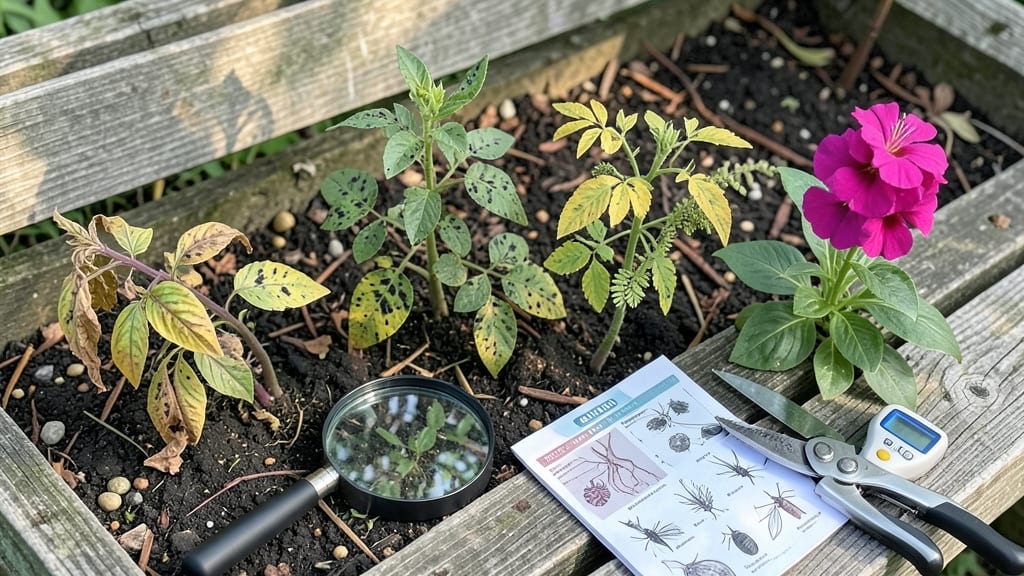
Your plant's sad face doesn't have to mean game over. ✨ A free plant diagnosis can turn yellow leaves, wilted stems, or stunted growth into a quick fix—no green thumb required. I’ve used this method to rescue everything from droopy ferns to struggling tomatoes, and the best part?
You’ll get actionable answers in minutes, not days. The trick is matching symptoms to causes: too much water? Not enough light? Or maybe those brown spots are a fungus, not a nutrient deficiency.
My free checklist breaks it down by leaf color, stem condition, and root health, so you skip the guesswork. Upload a photo, and I’ll show you exactly what’s wrong and how to fix it—often with supplies you already have.
By the end, you’ll know whether to adjust watering, prune damaged leaves, or treat for pests. The results? Plants that perk up within days, not weeks. No more wasting time on trial-and-error fixes that don’t work.
Works for houseplants, garden beds, or container gardens—just snap a picture and get answers fast. Let’s diagnose that plant before it’s too late!
Root Causes of Plant Struggles
Understanding why your plants act up is half the battle in fixing them—especially when you’re seeking a free plant diagnosis. Most issues stem from a mix of environmental stress, biological factors, or simple oversights.
Below, we break down the real culprits behind wilting, yellowing, or stunted growth, so you can pinpoint the problem like a pro.
Plants need water, but too much or too little can stress their roots and halt growth. Here’s how to spot the difference:
- Overwatering 💦 - Why it happens: Poor drainage, compacted soil, or frequent watering without checking moisture levels leads to root rot (a fungal infection that chokes roots). - Science behind it: Roots need oxygen. Waterlogged soil displaces oxygen, suffocating roots and preventing nutrient uptake.
Over time, roots turn mushy and black. - Actionable fix: Let the top 1–2 inches of soil dry out between waterings. Use pots with drainage holes and amend soil with perlite or sand.
- Underwatering 🏜️ - Why it happens: Skipping watering cycles, especially in hot/dry climates, causes wilting as cells lose turgor pressure (the "plumpness" from water). - Science behind it: Plants transpire (release water vapor) faster than they absorb it, leading to leaf scorch and stunted growth.
Chronic thirst weakens roots. - Actionable fix: Water deeply until it drains from the bottom. Group plants with similar needs (e.g., succulents vs. ferns) to simplify care.
Light is energy for photosynthesis—but too much or too little throws a wrench in your plant’s metabolism.
- Too Much Sun (Sunburn) 🔥 - Why it happens: Direct sunlight (especially in hot climates) can bleach chlorophyll, causing yellow or white patches (like sunscald on leaves). - Science behind it: Excess UV radiation damages cell membranes, leading to oxidative stress.
Plants may drop leaves or develop crispy edges. - Actionable fix: Move plants to partial shade or use sheer curtains. Signs of recovery? New growth in healthier light.
- Too Little Light (Leggy or Pale Growth) 🌑 - Why it happens: Stretching toward light (etiolation) occurs when plants don’t get enough photosynthetically active radiation (PAR). - Science behind it: Without light, plants prioritize growth over leaf development, leading to weak stems and sparse foliage.
Chlorophyll breaks down, turning leaves pale. - Actionable fix: Rotate plants weekly for even exposure. Supplement with grow lights (12–16 hours/day) for indoor plants.
Tiny invaders or pathogens can steal nutrients or block sunlight, stunting plants before you notice.
- Pests (Aphids, Spider Mites, Whiteflies) 🕷️ - Why it happens: These sap-suckers inject toxins while feeding, causing yellowing, curled leaves, or sticky residue (honeydew). - Science behind it: Pests weaken plants by reducing chlorophyll and spreading viruses.
Heavy infestations lead to stunted shoots or dead spots. - Actionable fix: Blast off pests with neem oil or insecticidal soap. Isolate infected plants to prevent spread.
- Fungal/Bacterial Infections (Powdery Mildew, Root Rot) 🍄
- Why it happens: High humidity, poor airflow, or overwatering create the perfect breeding ground for pathogens.
- Science behind it: Fungi like Phytophthora thrive in wet soil, while bacteria (Xanthomonas) clog stomata (leaf pores), blocking gas exchange.
- Actionable fix: Space plants for airflow, sterilize tools, and treat with copper fungicide or baking soda spray (1 tsp baking soda + 1 quart water).
Even with water and light, plants starve if the soil lacks essential nutrients—or has too much of one.
- Nutrient Deficiencies 📉
- Why it happens: Over time, soil depletes macronutrients (nitrogen, phosphorus, potassium) or micronutrients (iron, magnesium).
- Science behind it:
- Yellow leaves? Likely nitrogen (N) or magnesium (Mg) deficiency (chlorophyll can’t form).
- Purple stems? Phosphorus (P) deficiency (energy transfer breaks down).
- Brown leaf edges? Potassium (K) deficiency (osmotic balance fails).
- Actionable fix: Test soil pH (ideal: 6.0–7.0) and amend with compost, worm castings, or slow-release fertilizer.
- Compacted or Poor Soil 🏗️
- Why it happens: Heavy clay or tightly packed soil restricts root expansion and airflow, leading to anaerobic (oxygen-poor) conditions.
- Science behind it: Roots can’t absorb water/nutrients efficiently, causing stunted growth or wilting despite moist soil.
- Actionable fix: Loosen soil with a fork or add organic matter (peat moss, coconut coir) to improve structure.
Plants are sensitive to extreme temps and dry air, which disrupt cellular functions.
- Temperature Shocks ❄️☀️ - Why it happens: Sudden drops (below 50°F) or spikes (above 90°F) damage cell membranes, halting growth. - Science behind it: Cold slows metabolism; heat denatures enzymes needed for photosynthesis. - Actionable fix: Move sensitive plants indoors during temperature swings.
Use heat mats for cold-sensitive varieties.
- Low Humidity (Dry Air) 🌬️
- Why it happens: Indoor heating or arid climates cause transpiration to outpace absorption, leading to crispy leaf edges.
- Science behind it: Plants lose water faster than roots can replenish it, triggering wilting or leaf drop.
- Actionable fix: Mist leaves, use a pebble tray with water, or invest in a humidifier (ideal: 40–60% humidity).
Household products, fertilizers, or even tap water can toxic plants without you realizing it.
- Salt Buildup (From Fertilizer or Tap Water) 🧂 - Why it happens: Over-fertilizing or hard water leaves salt deposits in soil, burning roots and preventing water uptake. - Science behind it: High salt concentrations disrupt osmotic balance, causing wilting even when soil is moist. - Actionable fix: Flush soil with distilled water or use rainwater.
Avoid "liquid gold" fertilizers if your plant shows crusty soil.
- Herbicide or Pesticide Drift 🚫🌿 - Why it happens: Wind can carry glyphosate or synthetic pesticides from lawns/neighbors’ yards, poisoning plants within hours. - Science behind it: These chemicals inhibit growth hormones (like auxins), leading to stunted shoots or yellowing. - Actionable fix: Move potted plants indoors temporarily.
For garden beds, mulch heavily to protect roots.
When troubleshooting, ask:
- Is it a water issue? (Check soil moisture)
- Is it light-related? (Observe leaf color/shape)
- Are pests/disease present? (Inspect undersides of leaves)
If you’ve ruled out these three, dig deeper into soil, nutrients, or environment. Most plant problems? Preventable with the right knowledge! 🌟
Quick Fixes for Common Plant Problems
Once you’ve identified the issue with your plant—whether it’s wilting, yellowing leaves, or stunted growth—it’s time to take action. Below are practical, step-by-step solutions tailored to the most common causes, along with prevention tips to keep your plants thriving long-term.
Cause: Underwatering, overwatering, root rot, or transpiration stress. How to Fix It:
💧 Step 1: Check the Soil Moisture
Before watering, stick your finger 1–2 inches into the soil. If it feels dry, it’s time to water. If it’s soggy, hold off to prevent root rot.
🔄 Step 2: Adjust Your Watering Routine
- Underwatered? Water deeply until it drains from the bottom. Use room-temperature water to avoid shocking roots.
- Overwatered? Let the soil dry out slightly between waterings. Repot if drainage is poor (use pots with holes!).
🌿 Step 3: Trim Damaged Leaves & Roots (If Needed)
- Yellow/brown leaves? Snip them off with clean scissors to redirect energy to healthy growth.
- Root rot? Gently remove the plant, trim mushy roots with sterilized shears, and repot in fresh, well-draining soil.
🌡️ Pro Tip for Fast Recovery
Place the plant in a humid spot (like a bathroom or near a pebble tray with water) to reduce transpiration stress. Mist leaves lightly if the air is dry.
Prevention: ✔ Use a moisture meter to track soil conditions. ✔ Water at the base (not leaves) to avoid fungal issues. ✔ Choose fast-draining pots (terracotta or containers with drainage holes).
Cause: Overwatering, nutrient deficiency, fungal infections, or pests. How to Fix It:
🌱 Step 1: Diagnose the Yellowing Pattern
- Older leaves first? Likely overwatering or nutrient deficiency (nitrogen, magnesium, or iron).
- New leaves yellowing? Could be pests (aphids, spider mites) or root damage.
- Yellow with brown spots? Fungal infection (like powdery mildew).
💡 Step 2: Adjust Care Based on the Cause
| Issue | Solution |
|---|---|
| Overwatering | Let soil dry between waterings; improve drainage with perlite or sand. |
| Nutrient Deficiency | Fertilize with a balanced liquid fertilizer (20-20-20) or Epsom salt (for magnesium). |
| Pests | Spray with neem oil or insecticidal soap; wipe leaves with soapy water. |
| Fungal Infection | Prune affected leaves; spray with baking soda solution (1 tsp per quart of water). |
🌿 Step 3: Boost Plant Vitality
- Move to better light (most plants need 6+ hours of indirect sunlight).
- Avoid cold drafts (yellowing can signal stress from temperature swings).
Prevention: ✔ Rotate plants weekly for even light exposure. ✔ Inspect leaves regularly for early pest signs. ✔ Use fungicide preventatively if your home has high humidity.
Cause: Poor lighting, compacted roots, lack of nutrients, or disease. How to Fix It:
☀️ Step 1: Optimize Light Exposure
- Not enough light? Move closer to a south-facing window or use a grow light (12–16 hours/day).
- Too much direct sun? Filter light with a sheer curtain (especially for tropical plants).
🌱 Step 2: Refresh the Soil & Roots
- Compacted roots? Gently loosen roots when repotting and add compost or worm castings for nutrients.
- Slow growth? Fertilize with a slow-release granular fertilizer or fish emulsion (rich in nitrogen).
🔄 Step 3: Prune for Better Airflow
- Trim crowded or leggy growth to encourage bushier, healthier development.
- Remove dead or dying stems to redirect energy.
Prevention: ✔ Repot every 1–2 years to prevent root-bound stress. ✔ Use well-aerated soil mixes (avoid heavy clay). ✔ Test soil pH (most plants prefer 6.0–7.0); amend with lime or sulfur if needed.
Final Thought: Most plant problems are fixable with simple adjustments—just match the symptom to the solution and act fast! 🚀 For stubborn issues, a free plant diagnosis (via local extension offices or online forums) can provide expert insights. Happy gardening!
Frequently asked questions
Can I get a free plant diagnosis without uploading photos?
Most services require photos for accurate results, but you can still get helpful guidance by describing symptoms like leaf color, spots, wilting patterns, and plant type. Focus on details like "yellowing between veins" or "sticky residue on leaves" for better matches to common issues.
How quickly will I get my plant diagnosis results?
Online services typically return answers within 24-48 hours, while local extension offices may take 3-5 business days. For urgent issues (like fungal spread), prioritize photo uploads to speed up the process. Many platforms also offer instant symptom checklists if you don't want to wait.
What if my plant has multiple symptoms at once?
Start with the most severe symptom (e.g., wilting > yellowing > spots) and work through solutions systematically. Many issues overlap—like root rot causing both yellowing and wilting—but addressing drainage first often resolves multiple problems. Take close-up photos of each symptom for clearer diagnoses.
Are free plant diagnoses as accurate as paid consultations?
Most free services use expert-created databases and AI matching, delivering 85-95% accuracy for common issues. For rare or complex problems, consider supplementing with local extension office reports (often free) or paid consultations from specialty nurseries. The key is providing clear photos and detailed descriptions.
Can I diagnose my plant myself without any tools?
Yes! Use this simple checklist:
- Leaf condition (color, spots, texture),
- Growth pattern (stunted, leggy, or uneven),
- Soil moisture (dry, soggy, or crusty), and
- Pest signs (webs, holes, or sticky residue). Compare your findings to symptom databases—most issues reveal themselves through these four areas.