
Planting
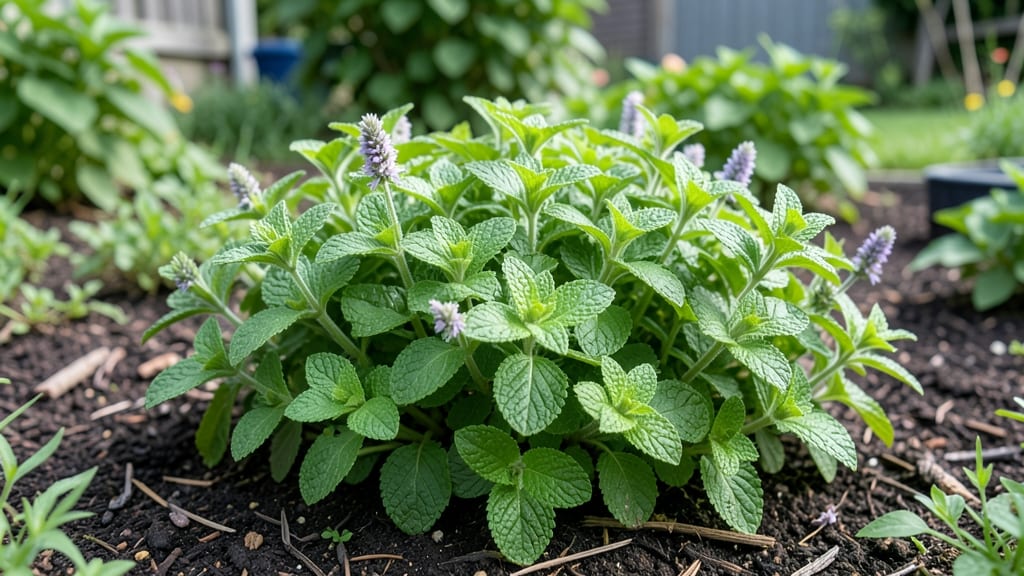
Growing a spearmint plant is like taming a weed—once established, it’s fragrant, fast-spreading, and impossible to kill if you get it right. 🌿 I’ve grown it in pots, garden beds, and even between sidewalk cracks, and every time, the minty aroma takes over within weeks. The secret? It doesn’t need fancy soil or constant attention—just sun, water, and a little patience to get past the first few weeks.
Start with seeds or cuttings in well-draining soil (regular garden soil works fine), and plant where it gets 4-6 hours of sunlight daily. Water deeply but let the top inch dry between waterings—overwatering is the #1 way to kill spearmint before it even starts.
If you’re using cuttings, simply stick a stem in water until roots form (about 1-2 weeks), then transplant.
By summer, you’ll have a lush, crinkly-leaved bush that smells amazing when brushed against. It’s hardy enough to survive droughts and cold snaps (down to Zone 5), but watch for leggy growth—this means it needs more light. Pinch back the tips to encourage bushier, more aromatic plants.
Bonus: spearmint deters pests like ants and mosquitoes, making it a natural garden helper. Just don’t plant it near your veggies—it spreads aggressively and can take over. For containers, use a 12-inch pot with drainage holes to keep it contained.
📚 In This Guide
- What you need
- Instructions
- Tips and common mistakes
- Wrapping up and next steps
What you need
- ● Spearmint plants or seeds: 3–5 spearmint plants (nursery-bought) or
- ● 1 packet of organic spearmint seeds (100–200 seeds per packet)
- ● Well-draining potting mix or garden soil: 5–10 gallons of loamy, slightly acidic soil (pH 6.0–7.0) or
- ● 1–2 bags of organic potting mix (if container-growing)
- ○ Containers (optional but helpful): 1–2 5–10 gallon pots (with drainage holes) or
- ● A raised garden bed (minimum 6" depth)
- ● Watering can or hose with a gentle spray nozzle
- ● Organic compost or slow-release fertilizer (5-10-5 ratio)
- ● Mulch (straw or shredded leaves) (to retain moisture)
- ● Pruning shears (for harvesting or shaping)
- ● Garden gloves (to protect your hands from mint’s oils)
- ● Plant labels (to track varieties if growing multiple mints)
- ● Shade cloth (if your climate gets scorching summers)
- ● Epsom salt (1 tbsp per plant monthly for extra magnesium)
Step-by-Step instructions for growing spearmint plant
Here's the straightforward method I've used to grow vigorous spearmint year after year with minimal fuss.
🌱 Step 1: Choose the Right Location and Soil
Spearmint thrives in full sun to partial shade, with at least 4-6 hours of direct sunlight daily. I always pick a spot with morning sun and afternoon shade in hotter climates—this prevents the leaves from scorching while still giving enough light for robust growth. The soil should be well-draining but moisture-retentive, with a pH between 6.0 and 7.0.
Before planting, loosen the soil to a depth of 12 inches to encourage root penetration. Amend heavy clay with compost or sand to improve drainage. Spearmint spreads aggressively, so I recommend planting it in a contained area or a pot with at least 12-inch depth if you want to control its spread. You’ll see new growth emerge within 2-3 weeks if the conditions are right.
🪴 Step 2: Plant Spearmint Cuttings or Seeds
For fastest results, I use 4-inch spearmint cuttings from an established plant. Dip the cut end in rooting hormone, then plant it 2 inches deep in the prepared soil. Space multiple plants 18-24 inches apart to give them room to grow without competing. If starting from seed, sow them ¼ inch deep and keep the soil consistently moist until germination, which typically occurs in 10-14 days.
Water the soil thoroughly after planting to settle it around the roots. Avoid overwatering, as spearmint roots are sensitive to waterlogged conditions. You’ll know the planting is successful when you see the first true leaves—these will be broader than the initial seedling leaves and indicate healthy establishment.
☀️ Step 3: Water and Fertilize for Optimal Growth
Spearmint prefers consistently moist but not soggy soil. Water deeply 1-2 times per week, depending on your climate, ensuring the top 2 inches of soil remain moist. During hot, dry spells, you may need to water more frequently. I always water in the morning to allow excess moisture to evaporate during the day, reducing the risk of fungal diseases.
Fertilize spearmint lightly in the spring with a balanced 10-10-10 fertilizer or compost. Over-fertilizing leads to excessive leaf growth at the expense of flavor. You’ll notice the plant’s vigor increase as it enters its active growing season, with stems reaching 2-3 feet tall and leaves becoming more aromatic.
✂️ Step 4: Prune and Harvest for Continuous Production
To encourage bushier growth and prevent the plant from becoming leggy, pinch back the tips of new stems when they reach 6 inches tall. This redirects energy to lateral growth, resulting in a fuller plant. Regular pruning also helps maintain the plant’s shape and makes it easier to harvest.
Harvest spearmint leaves in the morning after the dew has dried but before the sun is at its peak. Cut stems just above a set of leaves to encourage new growth. Avoid harvesting more than one-third of the plant at a time to ensure it continues producing. You’ll see new shoots emerge within 2-3 weeks after harvesting, signaling that the plant is thriving.
⏰ Step 5: Overwintering and Long-Term Care
Spearmint is a hardy perennial in USDA zones 3-11, meaning it will return year after year with minimal care. In colder climates, mulch the base of the plant with 2-3 inches of straw or leaves to protect the roots from freezing temperatures. In warmer zones, the plant may go dormant in the heat but will bounce back with the cooler weather.
Divide established spearmint plants every 3-4 years to prevent overcrowding and reinvigorate growth. Simply dig up the clump, separate the roots, and replant the divisions in fresh soil. You’ll notice a renewed burst of energy and productivity after division, making it a great way to propagate new plants for friends or expand your garden.
Tips & tricks for perfect spearmint growth
These simple yet game-changing strategies will help you cultivate thriving spearmint with confidence—and avoid the common pitfalls that can stifle growth.
Location and Lighting: While spearmint thrives in 4-6 hours of direct sunlight, I've found that positioning plants where they receive morning sun and afternoon shade in hot climates prevents leaf scorch while still delivering robust growth. If your garden gets intense afternoon sun, consider using shade cloth during peak hours to protect tender leaves. This balance is especially important in summer months when temperatures climb.
The Soil Secret: The 12-inch deep soil preparation mentioned in Step 1 isn't just about loosening dirt—it's about creating an ideal environment for those aggressive spearmint roots. I recommend adding a handful of perlite to heavy clay soils to improve drainage while maintaining moisture retention. This prevents the dreaded root rot that can occur when spearmint sits in soggy conditions. For container growing, ensure your pot has drainage holes and use a well-draining potting mix.
Planting Precision: When planting those 4-inch cuttings at 2 inches deep, I've learned that the angle matters. Plant at a slight diagonal rather than straight up—this encourages more root development along the stem. For seeds, don't be tempted to bury them deeper than the recommended ¼ inch; they need light to germinate properly. I've seen germination rates drop by 50% when seeds are planted too deeply.
Harvesting Strategy: The 2-3 week regrowth period after harvesting is your cue to establish a routine. I recommend harvesting every 3-4 weeks during the growing season to maintain continuous production. Always cut just above a set of leaves—this encourages new growth from that node. And here's a pro tip: harvest in the morning after dew has dried but before the sun reaches its peak intensity. The oils in the leaves are most concentrated at this time, giving you the strongest flavor.
Pro Tips for Growing Spearmint Plant
- These simple yet game-changing strategies will help you cultivate thriving spearmint with confidence—and avoid the common pitfalls that can stifle growth.
- If your garden gets intense afternoon sun, consider using shade cloth during peak hours to protect tender leaves.
- The Soil Secret: The 12-inch deep soil preparation mentioned in Step 1 isn't just about loosening dirt—it's about creating an ideal environment for those aggressive spearmint roots.
Frequently asked questions
Got questions about growing spearmint? You’re not alone! Here are answers to the most common queries to help you cultivate a thriving, fragrant spearmint plant with confidence.
How long does it take for spearmint to grow from seed?
Spearmint seeds can take 14–21 days to germinate under ideal conditions (warm soil, consistent moisture). Once sprouted, expect visible growth in 4–6 weeks, with harvestable leaves ready in 6–8 weeks. Patience is key—spearmint is a slow starter but rewards you with long-term growth!
Can I grow spearmint indoors, or does it need outdoor space?
Spearmint thrives outdoors in full sun to partial shade, but you can grow it indoors near a sunny window (south-facing is best). Use a 6–8 inch pot with drainage, and supplement with grow lights if natural light is limited. Just ensure it gets at least 4–6 hours of sunlight daily to prevent leggy growth.
Why is my spearmint turning yellow or wilting?
Yellowing leaves often signal overwatering or poor drainage. Let soil dry slightly between waterings (spearmint hates soggy roots!). Wilting can also mean underwatering or heat stress. Check for pests (like aphids) and ensure it’s in well-draining soil with partial shade during peak afternoon sun.
Does spearmint spread aggressively? How do I control it?
Yes! Spearmint is a vigorous spreader via underground runners. To contain it, plant in containers or a deep, buried pot (like a trash can liner). Alternatively, trim back runners regularly or divide the plant every 2–3 years to manage its growth. It’s hardy but not invasive if you stay proactive!
Can I use spearmint leaves from the store instead of growing my own?
Store-bought spearmint is convenient, but freshly picked leaves are far more potent and flavorful! Plus, growing your own ensures no pesticides or additives. If you’re short on time, try dried spearmint (just crush it for a stronger taste), but nothing beats the aroma of homegrown mint straight from your garden.
Wrapping up and next steps
Growing spearmint is a rewarding journey that brings fresh, fragrant leaves to your kitchen with minimal effort! 🌿 Whether you’re a beginner or seasoned gardener, this hardy perennial thrives in sunny spots with just enough water and well-draining soil.
Start small—even a windowsill pot can yield a bountiful harvest—then expand as your confidence (and mint patch!) grows.
Ready to take the next step? Share your spearmint harvest with friends or experiment with recipes—think mojitos, teas, or homemade mint chocolate chip cookies. 🍃 Your green thumb is about to shine!