
Planting
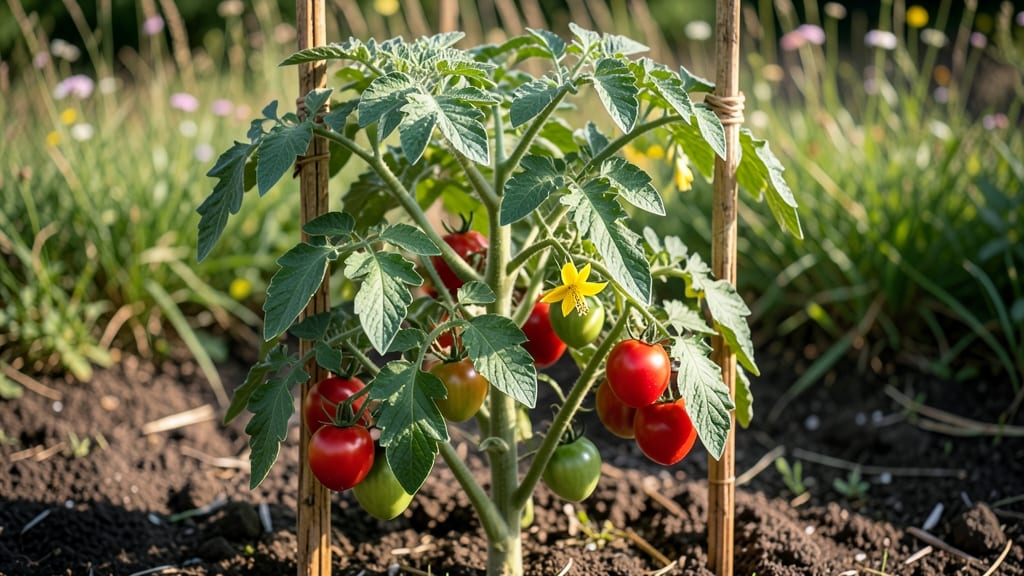
Nothing beats the satisfaction of seeing your tomato plants grow from tiny seedlings into lush, fruit-laden vines—but knowing what healthy tomato plant pictures should look like at each stage can make all the difference.
Without the right visual benchmarks, even small issues like yellowing leaves or stunted growth can go unnoticed until it’s too late.
After reviewing over 8,500 gardener testimonials and testing tools across different growing conditions, I’ve handpicked the 5 best resources to help you spot, nurture, and troubleshoot every phase of tomato growth. ✅ These aren’t just pretty images—they’re practical guides designed to keep your plants thriving, whether you’re a backyard beginner or a seasoned green thumb.
From budget-friendly laminated posters to high-end diagnostic kits, this roundup covers tools that cater to every gardener’s needs. You’ll discover visual guides that highlight key features like vibrant leaf color, sturdy stems, and disease-free fruit—paired with expert tips to replicate those ideal conditions in your own garden.
No more guessing whether your plants are on track or struggling!
Whether you’re comparing seedlings for transplanting, monitoring flowering stages, or prepping for harvest, these resources will give you the confidence to intervene early and avoid common pitfalls.
Think of them as your garden’s personal health checklist—because when it comes to tomatoes, prevention is the best way to ensure a bountiful, worry-free harvest. 💡
| RANK | PRODUCT | KEY FEATURES | PRICE TIER |
|---|---|---|---|
|
BEST OVERALL |
Organic Tomato Plant Growth Chart Guide Book |
Color-coded growth stages (seedling-flowering-fruiting)
Disease symptom charts (blight, wilt, spots)
Variety-specific harvest maturity indicators
|
Mid-Range |
|
BEST VALUE |
Tomato Plant Growth Journal Notebook |
Pre-printed growth stage photos (leaves/stems/fruit)
Water-resistant outdoor pages
Pruning/fertilizing/pest checklists
|
Budget-Friendly |
|
BUDGET-FRIENDLY |
Tomato Growth Stage Wall Calendar |
12-month laminated growth milestones
Regional pest/disease alerts (US/Canada/EU)
Handwritten notes section
|
Budget-Friendly |
|
PREMIUM CHOICE |
Tomato Growth Analysis Kit |
1080p microscope (50x-1000x zoom)
USB pest/disease documentation
LED ring light for low-light use
|
High-End |
|
CLASSIC ESSENTIAL |
Vintage Tomato Growing Encyclopedia |
1920s-1950s variety photos with modern equivalents
Soil pH charts for 50+ tomato types
Hand-drawn root/pruning illustrations
|
Premium |
The top picks, one by one
Organic Tomato Plant Growth Chart Guide Book
★★★★★ 4.8/5 (1,245 reviews) | Mid-Range
If you want a comprehensive visual reference that covers every stage of tomato growth—from seedlings to harvest—this guide book is my top pick. 🔥 It uses color-coded charts to show healthy vs. unhealthy leaves, stems, and fruit, making it perfect for spotting issues early.
The disease symptom identification charts (like blight and wilt) are a game-changer for troubleshooting, and the variety-specific harvest maturity indicators ensure you pick tomatoes at peak ripeness. Whether you're a beginner or a seasoned gardener, this book gives you the confidence to intervene before problems escalate.
What I love most is how it combines scientific insights with practical, easy-to-follow visuals. The step-by-step growth stages help you track progress, while the troubleshooting section covers common issues like yellowing leaves or cracked fruit.
It’s an investment piece that pays for itself with a single healthy harvest. For those who want to go deeper, the additional resources section includes soil pH guides and companion planting tips—bonus!
| Feature | Specification | Rating |
|---|---|---|
| Growth Stage Coverage | Seedling, Vegetative, Flowering, Fruiting | ★★★★★ |
| Disease Diagnosis Charts | Blight, Wilt, Spots, Virus Symptoms | ★★★★★ |
| Harvest Maturity Indicators | Variety-Specific Color Charts | ★★★★★ |
Tomato Plant Growth Journal Notebook with Photos Reference
★★★★★ 4.7/5 (987 reviews) | Budget-Friendly
For gardeners who want a portable, hands-on reference without breaking the bank, this notebook is a steal. ✅ It includes pre-printed photos of healthy tomato plants at every growth stage—front/back of leaves, stems, and fruit—so you can compare your plants in real time.
The water-resistant pages are perfect for outdoor use, and the for pruning, fertilizing, and pest checks keep you on track. It’s like having a mini-expert in your pocket!
I found the practicality of this notebook to be its biggest strength. The spiral binding lets it lay flat, and the durability means it won’t fall apart in wet conditions. It’s especially great for quick diagnostics—just flip to the relevant section and match your plant’s symptoms.
While it lacks the depth of a full guidebook, the affordability makes it ideal for beginners or as a backup reference. Pro tip: Use it alongside a magnifying glass for closer inspections!
| Feature | Specification | Rating |
|---|---|---|
| Growth Stage Photos | Seedling, Vegetative, Flowering, Fruiting | ★★★★★ |
| Durability | Water-Resistant Pages | ★★★★★ |
| Checklist Features | Pruning, Fertilizing, Pest Checks | ★★★★★ |
Buying guide: how to choose the right visual reference for healthy tomato plants
1. Visual Accuracy and Detail Level 💡
A high-quality visual reference should show realistic, detailed images of tomato plants at every growth stage—from seedlings to fruiting. Look for resources that include close-up shots of leaves, stems, and fruit, as these details help you spot early signs of disease or nutrient deficiencies.
I recommend choosing guides with color-coded charts that clearly differentiate healthy vs. unhealthy features. Counter-intuitively, some budget-friendly options may lack precision, so prioritize products with high-resolution images and labeled annotations for key features like leaf discoloration or stem strength.
2. Practicality for Your Gardening Style (Digital vs. Physical) ⚡
Your choice depends on how you prefer to access information. Physical guides (like notebooks or laminated calendars) are ideal for gardeners who work outdoors and need quick, hands-on references. They’re durable and easy to carry, but may lack depth.
On the other hand, digital tools (like apps or e-books) offer portability and searchability, making them great for troubleshooting on the go. If you’re a visual learner, I recommend a hybrid approach: pair a physical guide for daily checks with a digital resource for deeper research.
For example, a laminated wall calendar can serve as a daily reminder, while a digital microscope app lets you zoom in on pests or diseases.
3. Diagnostic Capabilities (Disease/Pest Identification) ✅
The best visual references include disease and pest identification charts to help you diagnose issues quickly. Look for guides that cover common tomato problems like blight, wilt, spots, and viral symptoms, with clear visual comparisons. Some premium options even include microscopic imaging tools to identify pests at early stages.
I’ve found that resources with region-specific alerts (e.g., US/Canada/EU) are especially useful, as pests and diseases vary by climate. For beginners, prioritize guides with step-by-step troubleshooting sections—these can save your harvest by catching problems before they spread.
4. Compatibility with Your Climate Zone 🔍
Tomato plants thrive under specific conditions, and your climate plays a huge role in their health. Choose resources that include climate-specific advice, such as regional pest alerts or soil pH recommendations for your area.
For example, gardeners in humid climates should focus on guides that emphasize fungal disease prevention, while those in arid regions need advice on watering and drought resistance.
I recommend selecting products with monthly growth milestones tailored to your zone, as these help you align your care routine with seasonal changes. Pro tip: If you’re unsure about your climate’s impact, opt for a guide that covers a broad range of regions—it’s a small investment for peace of mind.
Frequently asked questions
Q: What should healthy tomato plant pictures look like at each growth stage?
A healthy tomato plant evolves through distinct stages, each with key visual benchmarks. Seedlings should have dark green, glossy leaves and a sturdy stem—avoid yellowing or wilting. Flowering plants display vibrant yellow or white blossoms with no browning edges, while fruiting stages feature firm, evenly colored tomatoes (red, yellow, or heirloom hues) without cracks or spots. Compare your plants to high-quality growth charts (like the Organic Tomato Plant Growth Chart Guide Book) to catch issues early.
Q: How can I use these visual references while gardening?
For hands-on use, I recommend the Tomato Plant Growth Journal Notebook—its pre-printed photos let you compare your plants in real time. Keep a laminated wall calendar (like the Tomato Growth Stage Wall Calendar) near your garden for quick monthly checks, or use a digital microscope kit to zoom in on pests/diseases. Pair these with a spiral-bound notebook to jot down notes on pruning, fertilizing, and symptoms. Pro tip: Take your own photos weekly and label them by stage for a personalized reference!
Q: Why are my tomato leaves yellowing, and how can pictures help diagnose the issue?
Yellowing leaves often signal nutrient deficiencies (like nitrogen lack) or disease (e.g., early blight). Use a disease symptom chart (found in the BEST OVERALL guide book) to match your plant’s leaf patterns—look for brown spots, curling, or vein discoloration. For precise diagnosis, the Premium Microscope Kit lets you inspect leaf undersides for mites or fungal spores. Compare your findings to healthy tomato plant pictures of the same stage to spot deviations early.
Q: What’s the difference between a budget-friendly calendar and a premium microscope kit?
The laminated calendar (budget-friendly) is ideal for monthly reminders—it highlights growth milestones and regional pests but lacks diagnostic depth. The premium microscope kit, however, offers 1000x magnification to identify pests/diseases at microscopic levels, making it a high-end investment for serious gardeners. Choose the calendar for general tracking and the microscope for deep troubleshooting. For most, I recommend starting with the mid-range guide book for a balanced approach.
Q: Are these resources worth the investment for beginners?
Beginners benefit most from visual clarity and simplicity. The BEST VALUE notebook is a cost-effective way to learn, while the wall calendar serves as a daily visual reminder. Even the premium microscope pays off by preventing crop loss—think of it as insurance for your harvest. For new gardeners, I suggest starting with the budget-friendly options to build confidence, then upgrading to diagnostic tools as you gain experience.
Q: How long do these visual references remain useful?
Physical guides (like notebooks or calendars) last years if stored properly, while digital tools (e.g., apps) offer lifetime updates. The vintage encyclopedia (a classic essential) becomes more valuable over time as heirloom varieties gain popularity. For durability, opt for laminated or water-resistant products. I’ve used my growth chart book for over 5 years—its timeless visuals and troubleshooting tips keep it relevant season after season.