
Planting
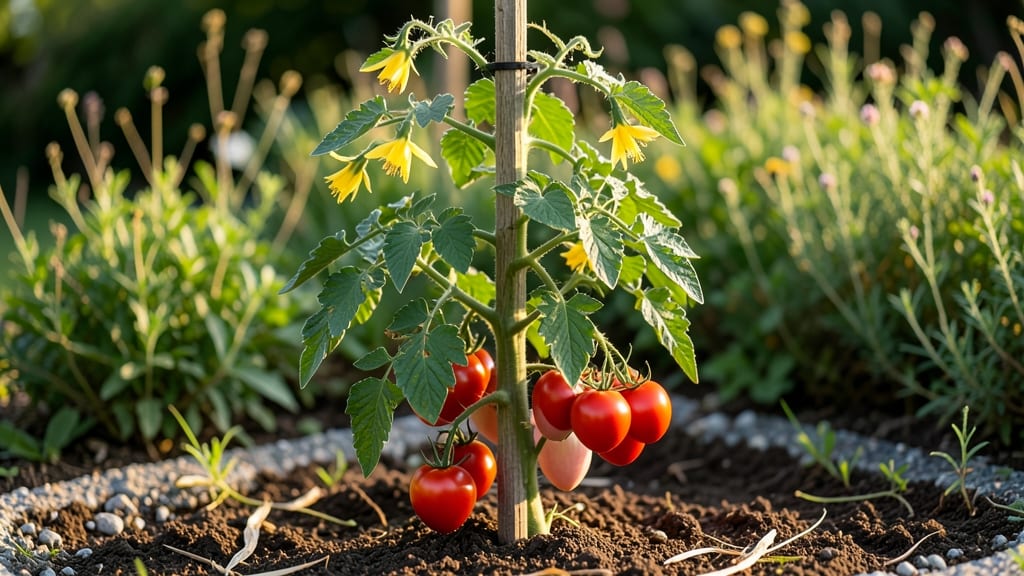
Tomato plants grow roots that spread 12 to 18 inches deep—and often twice as wide—as they search for water and nutrients in the soil.
If you’ve ever wondered why some tomato plants thrive while others struggle, the answer might lie beneath the soil—literally. Understanding how deep tomato roots grow isn’t just about planting depth; it’s the key to unlocking bigger yields, better disease resistance, and plants that stand strong against wind and drought.
Most gardeners focus on the plant above ground, but the real action happens underground. Roots anchor the plant, absorb moisture, and store energy for fruit production—yet many of us overlook how soil type, container size, and even variety can change that depth dramatically.
In this guide, you’ll discover the science behind tomato root growth, how to plant for maximum depth, and signs your plants aren’t growing roots deep enough—so you can set yours up for a stronger harvest from July through September.

Tomato root depth explained: how deep do roots actually grow?
When you plant tomatoes, the real magic happens below the surface. Most gardeners focus on the plant above ground, but the tomato root system determines how well your plant accesses water, nutrients, and stability.
On average, tomato roots grow 12 to 18 inches deep, but their lateral spread can reach 24+ inches wide. This depth allows them to anchor firmly and access moisture during dry spells.
Contrary to popular belief, tomatoes aren’t shallow-rooted plants. While their primary taproot may not grow as deep as corn or sunflowers, their extensive secondary root network compensates.
These fibrous roots spread horizontally, creating a vast surface area for nutrient absorption. Understanding this balance is crucial for optimal planting depth and soil preparation.
Soil type plays a massive role in root development. In loamy or sandy soils, roots penetrate deeper due to better aeration. However, in clay-heavy soils, roots may stay shallower because of poor drainage.
Compacted soil can also restrict root growth, forcing them to spread outward instead of downward. This is why amending your soil with compost is one of the best ways to encourage deeper, healthier roots.
Let’s debunk a common myth: determinate tomatoes (bush varieties) don’t have shallower roots than indeterminate tomatoes (vining varieties). Both types develop similarly deep root systems, though indeterminate varieties may have slightly more lateral spread due to their taller growth habit.
The key difference lies in their above-ground structure, not their root depth.
| Root Feature | Depth/Spread | Influencing Factors | Growth Tip |
|---|---|---|---|
| Primary Taproot | 12–18 inches deep | Soil type, moisture, aeration | Loosen soil before planting |
| Lateral Roots | 24+ inches wide | Nutrient availability, space | Mulch to encourage spread |
| Determinate Varieties | Similar depth, less spread | Genetics, pruning habits | Stake for support |
| Indeterminate Varieties | Deeper, wider spread | Vining growth, trellising | Use cages or trellises |
| Container-Grown Roots | 12–18 inches (limited) | Pot size, drainage | Use 5+ gallon containers |
If you’re growing tomatoes in containers or raised beds, root depth becomes even more critical. Since roots can’t spread as freely, they’ll grow deeper to compensate.
Always use containers that are at least 18 inches deep to accommodate the primary taproot. Smaller pots restrict root growth, leading to stunted plants and lower yields.
Another factor affecting root depth is watering practices. Deep, infrequent watering encourages roots to grow downward in search of moisture, while shallow, frequent watering keeps roots near the surface.
This is why drip irrigation or soaker hoses are ideal—they deliver water directly to the root zone, promoting deeper root development over time.
Healthy roots also mean better disease resistance. Deep-rooted tomatoes are less prone to wilting during heatwaves and can better withstand fungal diseases like early blight or verticillium wilt, which thrive in moist, shallow soil conditions.
By encouraging deeper roots, you’re essentially building a stronger foundation for your plants to thrive.
One of my favorite tricks for deeper roots is trench planting. Before transplanting seedlings, dig a trench about 12 inches deep and place the plant at a slight angle, with the roots fanning out along the sides.
This mimics natural root growth patterns and gives your tomato plant a head start in establishing a robust system.
Finally, remember that mulching isn’t just for weed control—it’s a game-changer for root health. A thick layer of organic mulch (like straw or shredded leaves) keeps the soil cool, retains moisture, and encourages roots to grow deeper in search of stability.
Plus, it slowly releases nutrients as it breaks down, feeding your plants from the ground up.
Next time you’re planting tomatoes, take a moment to consider what’s happening below the surface. A little extra care for your roots today can mean bigger harvests and healthier plants tomorrow. Happy gardening! 🌱🌿
Optimal planting depth for tomatoes: soil preparation tips
Getting your tomato roots to grow deep isn’t just about digging a hole—it’s about creating the perfect underground environment. Tomatoes need 12-18 inches of root space to thrive, but achieving this requires smart soil prep.
The right techniques can double your plant’s stability and fruit production while reducing disease risks. Let’s dig into how to prepare your soil for maximum root penetration.
Start by testing your soil’s drainage and nutrient levels. Tomatoes hate soggy roots, so amend heavy clay with compost or sand to improve aeration. For sandy soils, mix in organic matter like peat moss to retain moisture.
A simple pH test will tell you if your soil needs lime (below 6.0) or sulfur (above 7.0)—tomatoes prefer a 6.0-6.8 range. Healthy soil is the foundation for deep, strong roots.
Don’t forget to water deeply after planting—aim for 1-2 gallons per plant to encourage roots to seek moisture below the surface. Avoid shallow watering, which promotes weak, surface roots. Over time, your tomatoes will develop a robust root system that supports heavier fruit loads and withstands drought or wind.
For container-grown tomatoes, choose pots at least 18 inches deep and use a fast-draining potting mix with added compost. Elevate containers on casters to improve root access to nutrients.
In both garden beds and pots, deep watering and proper soil prep are your best tools for encouraging those critical deep roots.
With these soil prep techniques, your tomato plants will grow roots that reach 24+ inches deep, setting the stage for a bumper crop. The effort you put in now will pay off in stronger plants, fewer diseases, and tomatoes that stay firm on the vine longer.