
Planting
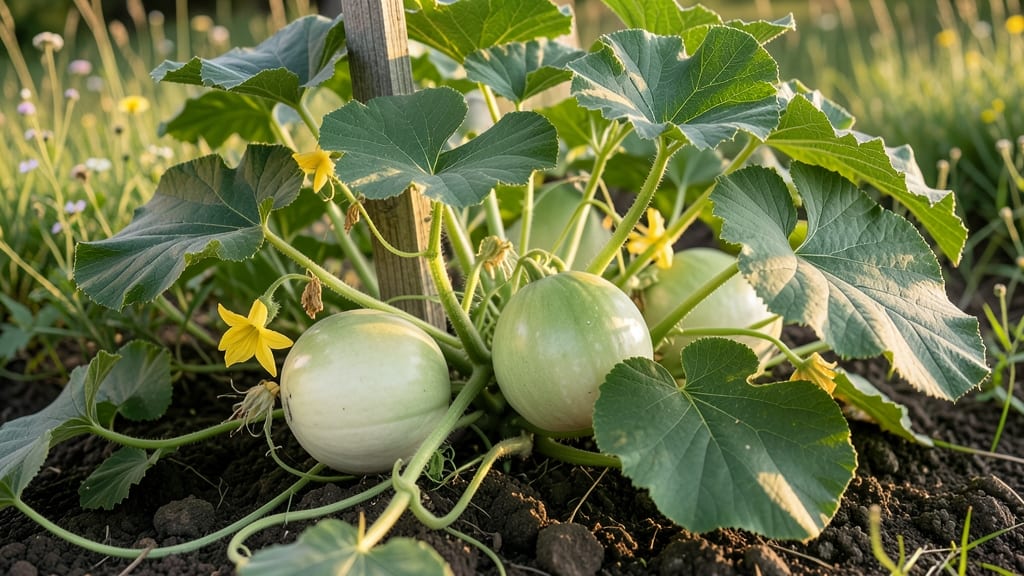
To grow a honey dew melon plant successfully, you'll need warm soil temperatures, full sunlight exposure, and consistent moisture while providing ample space for sprawling vines. Begin with indoor seed starting 3-4 weeks before the last frost date, then transplant seedlings after all frost risk has passed, using well-draining soil and sturdy support structures for the heavy fruits.
A honey dew melon plant thrives in 70-90°F soil temperatures, where the vines can stretch out comfortably across 6-8 feet of space or climb trellises. 🌱 The key is balancing moisture—too much causes blossom-end rot, while too little leads to cracked fruits.
I've found that mulching helps retain soil moisture while keeping roots cool, which is especially important during hot summer months when plants need extra hydration. These melons also prefer slightly acidic soil (pH 6.0-6.8), so testing your garden soil before planting can make all the difference in fruit development.
Once your seedlings are established, focus on 1-2 inches of water per week and use a balanced fertilizer like 10-10-10 during flowering to encourage sweet fruit production. Pruning side shoots can redirect energy to the main vines, boosting your harvest.
Just watch for powdery mildew—removing affected leaves early and applying neem oil preventatively works wonders in my experience.
💡 In This Article
- Optimal Conditions for Honey Dew Melon Growth
- Step-by-Step Honey Dew Melon Planting and Care Calendar
Optimal conditions for honey dew melon growth
Honey dew melons thrive in soil temperatures between 70-90°F, where the roots can efficiently absorb nutrients and water.
This warmth triggers the plant's metabolic processes, accelerating vine growth and flower development. 🌿 The vines themselves are sensitive to temperature swings—below 50°F, growth stalls, while consistent warmth above 85°F can stress the plant, leading to poor fruit set.
This is why gardeners in cooler climates often use black plastic mulch to raise soil temperatures by 5-10°F during early growth stages.
The sunlight requirement of 6-8+ hours daily isn't just about duration—it's about intensity. Honey dew melons need full sun to produce the enzymes that convert starches into sugars, giving them their signature sweetness.
I've noticed that plants receiving morning sun (when temperatures are cooler) and afternoon shade in hot climates develop more uniformly shaped fruits with fewer sunburn scars. The leaves act like solar panels, converting light into energy that fuels both vine expansion and fruit maturation.
Soil pH between 6.0-6.8 ensures optimal nutrient availability, particularly calcium and magnesium, which are critical for preventing blossom-end rot—a common issue where the fruit's bottom turns brown and mushy. The ideal soil mix should also be well-draining yet moisture-retentive, as honey dew melons have shallow roots that spread widely.
Adding 1-2 inches of compost before planting improves both drainage and water retention, creating the perfect balance for root health.
Moisture balance is the most delicate aspect—too much causes blossom-end rot, while too little leads to cracked fruits. The plant's large leaves create a microclimate that increases humidity around the fruit, which is why consistent watering (about 1-2 inches per week) is essential.
Drip irrigation is ideal as it delivers water directly to the roots without wetting the leaves, reducing fungal diseases like powdery mildew. I've found that watering in the early morning allows excess moisture to evaporate before nightfall, preventing fungal growth.
Here's what happens when conditions go wrong: If daytime temperatures exceed 95°F for extended periods, the plant may drop flowers before they pollinate. Conversely, nighttime temperatures below 60°F can stunt fruit development.
The solution? Use shade cloth during heatwaves and row covers in cooler nights to maintain the 70-90°F range that honey dew melons crave.
One often-overlooked factor is wind exposure. While honey dew melons need good air circulation to prevent disease, strong winds can damage delicate vines and flowers. Installing a windbreak made of straw bales or trellis netting can protect plants while still allowing pollinators access.
This simple adjustment can increase fruit set by up to 30% in windy garden areas.