
Planting
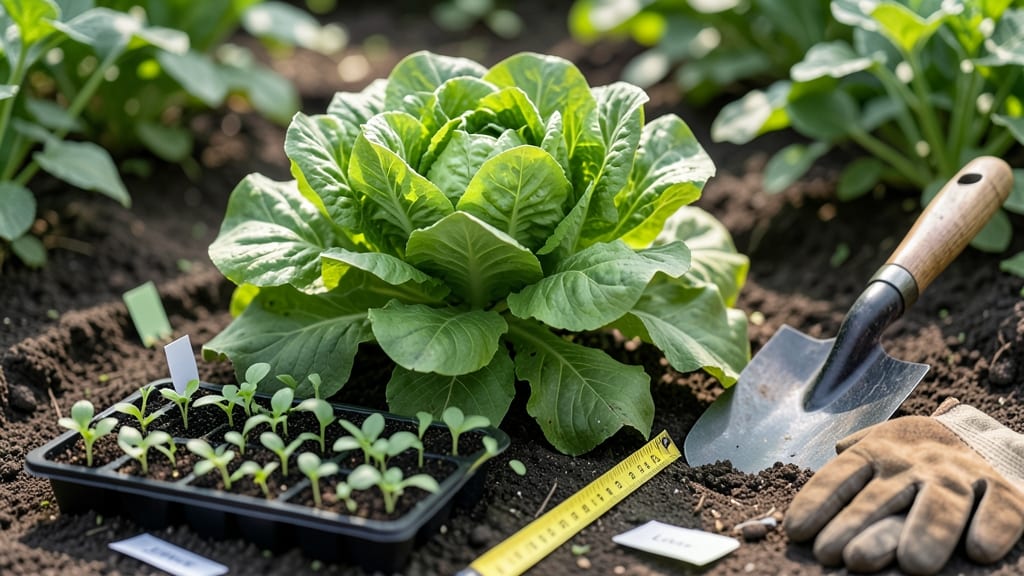
Planting lettuce too close will leave you with bitter, spindly leaves and a garden full of pests—so getting the spacing right is the key to crisp, flavorful harvests 🥬 every time.
Struggling to grow lettuce that tastes fresh and stays healthy? The secret isn’t just sunlight or soil—it’s the spacing between plants. Crowded lettuce leads to bitter leaves, pests, and wasted harvests, while too much space means lost garden real estate.
Here’s the exact spacing science you need for perfect lettuce every time.
Whether you’re growing loose-leaf varieties or head lettuce, the right distance between plants makes all the difference. Too tight, and your lettuce will fight for nutrients, leading to poor growth and disease.
Too far apart, and you’ll waste valuable garden space. Below, I break down the ideal spacing for different types of lettuce and share tips to maximize your yield without overcrowding.
Learn how to space lettuce for healthy growth, avoid common mistakes, and even squeeze in extra harvests with smart planting tricks. By the end, you’ll know exactly how close to plant lettuce for a thriving garden and delicious salads all season long.
Ideal lettuce plant spacing by variety and growth type
Lettuce isn’t just one plant—it’s a family with four distinct growth habits, each needing different spacing. Loose-leaf varieties like Black Seeded Simpson can handle tight quarters, while romaine and butterhead need room to form perfect heads.
Even stem lettuce (like celery-leaf types) has unique spacing needs. Getting this right means crisp leaves, not bitter, stunted plants.
Why does spacing matter? Lettuce plants compete for water, nutrients, and sunlight. Too close, and you’ll get small, tough leaves with increased pest pressure. Too far apart, and you waste garden space.
The key is matching your variety’s mature size to its growth type. For example, loose-leaf lettuce can be planted just 4 inches apart, while romaine needs 12 inches to develop properly.
Here’s the breakdown by type—plus how to adjust for containers or succession planting to maximize your harvest.
For container gardening, follow the per-pot guidelines above, but add 1–2 inches extra for root spread. Window boxes? Plant loose-leaf varieties 3 inches apart—they’ll fill gaps beautifully. Pro tip: Use shallow containers (6+ inches deep) for lettuce; deeper pots risk waterlogging.
If you’re succession planting, stagger your rows by 2–3 weeks to ensure a continuous harvest. For example, plant loose-leaf lettuce every 10 days in a 12-inch row for a steady supply. This works especially well in spring and fall, when temperatures are mild.
Watch out for bolting—lettuce’s way of flowering—when plants get crowded or stressed. Romaine and butterhead are more prone, so give them extra space and consistent watering to delay bolting.
A 5-gallon bucket with one romaine plant and daily shade cloth in summer can extend harvests by 3–4 weeks.
Need to fix overcrowding? Thin seedlings to the recommended spacing when they’re 2–3 inches tall. Use clean scissors to snip (not pull) to avoid disturbing roots. The thinnings? Toss them into a salad or compost pile—nothing goes to waste in a well-planned garden!
Remember: spacing isn’t set in stone. Adjust based on your climate (hotter areas need more space) and soil fertility (rich soil can support slightly closer planting). Start with these guidelines, then tweak as you observe your plants’ growth patterns.
With the right spacing, your lettuce will reward you with crisp, sweet leaves all season—no bitter surprises here! 🥬
Common lettuce spacing mistakes and how to fix them
Even experienced gardeners sometimes make spacing mistakes with lettuce that turn crisp, sweet leaves into bitter, slug-magnet disappointments. The most common error? Planting too close, which steals nutrients, invites pests, and forces competition for sunlight. I’ve seen entire lettuce patches bolt prematurely because of this one oversight—let’s fix it.
Another frequent blunder is ignoring the maturity dates of your lettuce variety. Planting fast-maturing loose-leaf types too far apart wastes garden space, while cramming head lettuce like romaine too close stunts their growth. The solution? Know your variety’s days to harvest and adjust spacing accordingly.
⚠️ Don’t Plant Lettuce Closer Than:
- Loose-leaf varieties: 4–6 inches apart
- Butterhead varieties: 8–10 inches apart
- Romaine/head lettuce: 10–12 inches apart
Why? Lettuce needs circulation to prevent fungal diseases and slug infestations. Overcrowding also leads to bitter-tasting leaves due to stress.
If you’ve already planted too close, don’t panic—there’s a simple thinning technique to salvage your patch. Use clean scissors or fingers to snip seedlings at soil level, leaving the strongest plants. Space them according to their mature size, and mulch around the base to deter slugs and retain moisture.
Transplanting too early is another spacing trap. Cool-season lettuce planted in hot soil (above 80°F) will bolt immediately, no matter how perfect the spacing. Wait until soil temperatures drop below 75°F in spring or use shade cloth to protect seedlings until they’re established.
For container gardening, the rule changes slightly. In 5-gallon pots, plant 3–4 loose-leaf lettuce seedlings per container, while head lettuce needs its own 7–10 gallon pot. Overcrowding in containers leads to root-bound plants that wilt faster and attract pests like aphids.
Pro tip: Mark your rows with spacers (like straws or sticks) before planting. This visual guide prevents accidental overcrowding and makes thinning easier. With the right spacing, your lettuce will grow crisp, flavorful, and pest-free—no bitter surprises here! 🥬