
Planting
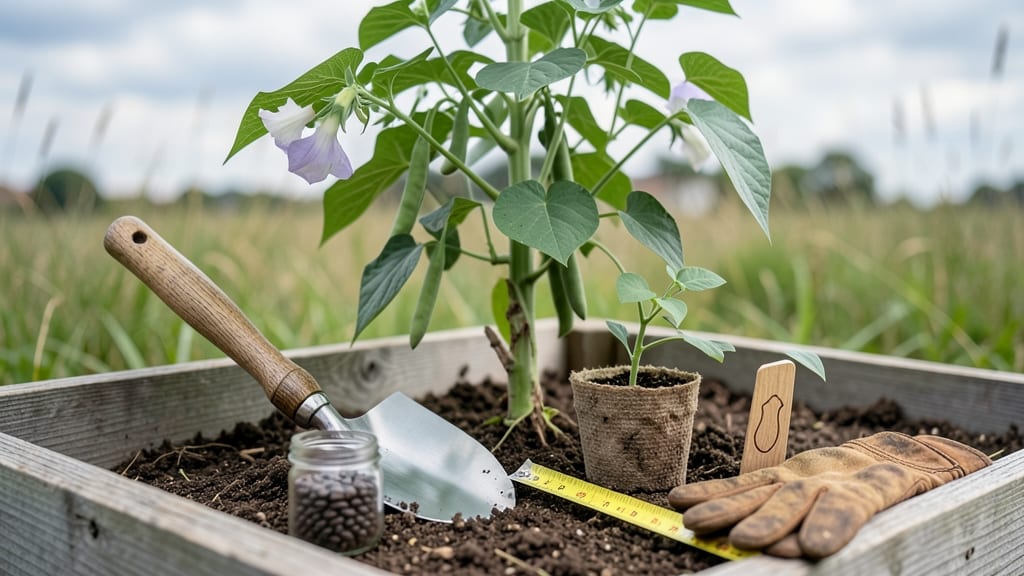
How deep to plant string beans 🌱 is the secret to fast germination and strong vines—and most gardeners get it wrong.
Too deep, and your seeds suffocate; too shallow, and they dry out before sprouting. Even a half-inch difference can mean the difference between a thriving harvest and wasted effort.
This simple trick ensures your string beans pop up in 5-7 days and grow into productive plants. Below, I’ll walk you through the exact method, plus soil prep, spacing, and common mistakes that kill yields.
Ready to turn your garden into a bean bonanza? Let’s dig in—literally.
Optimal planting depth for string beans: science-backed guidelines
Getting your string beans off to the right start means paying close attention to planting depth. While it might seem like a small detail, the depth at which you place your seeds directly impacts germination rates and root development.
For string beans, the ideal depth is 1-2 inches below the soil surface—a range backed by horticultural science and proven to yield the fastest, healthiest growth.
Why does depth matter so much? String bean seeds contain food reserves that fuel germination. When planted too shallow, they dry out before sprouting. Too deep, and they struggle to push through the soil, leading to weak seedlings.
The 1-2 inch range strikes the perfect balance, ensuring consistent moisture while allowing easy access to sunlight once they emerge.
Soil temperature also plays a critical role. String beans thrive in soil that’s at least 60°F (15°C). If your soil is cooler, planting too deep can delay germination even further.
Always check soil temperature with a soil thermometer before planting—this small step can make the difference between a thriving garden and a frustrating wait.
Here’s what happens when you deviate from the ideal depth:
For best results, use a seed spacing tool or your finger to create holes at the correct depth. Loosen the soil slightly around the hole to improve root penetration.
If your soil is heavy or clay-based, consider mixing in compost or sand to create a more forgiving environment for young roots.
Another pro tip: Plant seeds in small groups of 3-4 per hole, spaced about 2-3 inches apart. This mimics natural conditions and increases your chances of at least one seedling thriving per spot. Thin to the strongest seedling once they’re 2-3 inches tall.
Once your string beans sprout, monitor soil moisture closely. The first 2 weeks are critical—keep the soil consistently moist but not waterlogged. Overwatering can lead to root rot, while underwatering stresses young plants. A mulch layer of straw or grass clippings helps retain moisture and regulate soil temperature.
Remember, string beans are warm-season crops, so avoid planting until the soil has warmed to at least 60°F (15°C). In cooler climates, use black plastic mulch or a cold frame to accelerate soil warming.
This simple adjustment can shave weeks off your growing season and lead to earlier harvests.
By following these science-backed guidelines, you’ll give your string beans the best possible start. The effort pays off with faster germination, stronger vines, and a bountiful harvest of tender pods. Happy planting! 🌱
Step-by-step guide: planting string beans for maximum yield
Planting string beans correctly is the foundation for a bountiful harvest. I’ve learned that even the hardiest seeds need precise care—starting with the right planting depth. Too shallow, and they’ll dry out; too deep, and germination slows.
Let’s break this down into simple, actionable steps to ensure your string beans thrive from seed to harvest.
Before you even touch your seeds, prepare the soil properly. String beans prefer well-draining, slightly acidic soil with a pH between 6.0 and 7.0. Work in 2-3 inches of compost or aged manure to enrich the soil, and ensure it’s warm—at least 60°F (15°C)—for faster germination.
A quick soil test can save you from guesswork here.
- 1
- 2
- 3
- 4
Once your seeds are in the ground, consistency is key. I’ve seen beginners overwater or underwater their string beans, both of which lead to weak vines. Aim for 1 inch of water per week, delivered in the morning to let foliage dry quickly.
If you’re using trellises, train vines early to save space and improve airflow, reducing disease risk.
Watch for common mistakes like overcrowding, which steals nutrients from plants, or planting too late in the season. String beans grow best in warm weather and can bolt (flower prematurely) if stressed by heat or drought.
If your area has hot summers, opt for shade-cloth during peak afternoon sun to protect young plants.
Finally, don’t forget to harvest regularly. Picking pods when they’re 4-6 inches long encourages more production. I’ve found that harvesting every 2-3 days keeps plants productive all season long. With these steps, you’ll go from seed to a garden full of crisp, homegrown string beans in no time!