
Planting
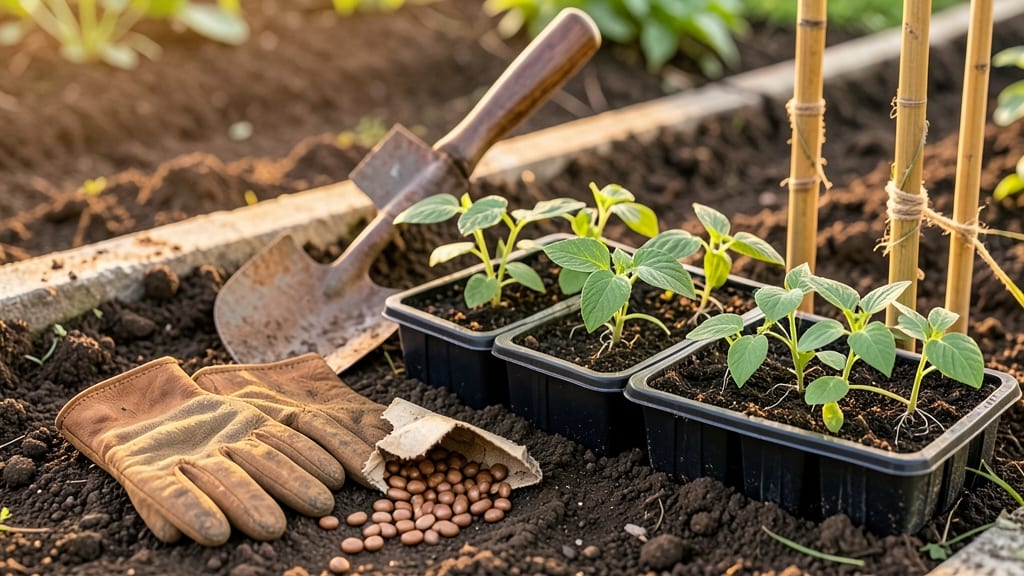
To plant string beans in a garden, start by choosing the right variety—whether you prefer pole beans that climb or bush beans that stay compact—then focus on soil and spacing for a thriving harvest. 🌱
Picture this: you’ve waited all spring for your garden to shine, only to watch your string beans sprawl into tangled messes or produce tiny pods. That’s what happens when spacing or soil prep gets overlooked, but the fix is simpler than you think.
String beans are one of the easiest crops for beginners, yet even the most eager gardeners trip up on spacing and soil. The good news?
With the right soil mix, planting depth, and a few pro tips for pole vs. bush types, you’ll avoid overcrowding and boost your yield effortlessly.
In this guide, I’ll walk you through every step—from prepping the soil in Zone 6 to planting at the perfect April-May window—so you can go from seed to harvest in just 60 days.
Step-by-step guide to planting string beans: soil, spacing, and timing for maximum yield
String beans are a gardener's dream—fast-growing, productive, and perfect for beginners. But to get that bountiful harvest, you need the right soil conditions, planting timing, and spacing strategy.
Whether you're growing pole beans or bush beans, these details make all the difference. Let’s break it down so you can avoid common mistakes and maximize your yield.
First, timing is everything. In most regions, plant string beans after the last frost—typically in late April or early May—when soil temperatures reach at least 60°F (15°C). Cold soil slows germination, so wait for warmth.
If you're in a cooler climate, consider using black plastic mulch to warm the soil faster. For southern gardeners, you can even plant in early spring or fall for a second harvest.
How to Plant String Beans in a Garden
- 1 Prepare the Soil: Choose a sunny spot with well-draining soil. String beans thrive in loamy soil with a pH of 6.0–7.0. Work in 2–3 inches of compost or aged manure to enrich the soil. Avoid fresh manure, which can burn young plants.
- 2 Test Soil Moisture: Before planting, ensure the soil is moist but not soggy. Water the area lightly the day before planting to help seeds germinate faster. Dry soil can delay sprouting by days.
- 3 Plant Seeds at the Right Depth: Sow seeds 1 inch deep in rows 18–24 inches apart. For bush beans, space seeds 3–4 inches apart in rows. For pole beans, space seeds 4–6 inches apart and install a trellis or stakes nearby.
- 4 Thin Seedlings Carefully: Once seedlings emerge (in 7–14 days), thin them to the correct spacing. For bush beans, leave 4 inches between plants. For pole beans, leave 6 inches between plants along the trellis.
- 5 Add Mulch for Moisture: Apply 2–3 inches of mulch (straw or grass clippings) around plants to retain moisture, suppress weeds, and keep soil cool. Mulch also prevents soil-borne diseases from splashing onto leaves.
- 6 Water Consistently: Keep soil evenly moist but avoid overwatering. Water at the base of plants in the morning to reduce disease risk. Pole beans need more frequent watering than bush beans due to their taller growth.
One of the biggest mistakes gardeners make is overcrowding plants. Bush beans need 3–4 inches of space, while pole beans need 6 inches to climb properly. Overcrowding leads to poor air circulation, which invites fungal diseases like rust or powdery mildew.
If you’re short on space, try interplanting with fast-growing crops like lettuce or radishes, which mature before beans fill in.
Another pro tip: Rotate your planting locations each year to prevent soil-borne diseases. String beans are part of the legume family, which means they fix nitrogen in the soil.
Plant them where heavy feeders like corn or tomatoes grew the previous year to boost soil fertility naturally. This also reduces the need for synthetic fertilizers, saving you time and money.
For pole beans, installing a trellis or sturdy stakes early is a game-changer. Without support, vines sprawl, making harvesting difficult and increasing the risk of soil-borne diseases.
Use 5–6 foot tall trellises and train vines gently as they grow. This not only saves space but also improves airflow around plants, reducing humidity-related issues.
Finally, don’t forget to harvest regularly to encourage more production. String beans produce best when pods are 4–6 inches long and harvested every 2–3 days. Waiting too long leads to woody pods and fewer beans overall.
With the right soil prep, spacing, and timing, you’ll be enjoying a steady supply of fresh, homegrown string beans all summer long.
🌱
Pole vs bush string beans: key differences in planting, support, and harvesting
Choosing between pole beans and bush beans can make or break your string bean harvest. Pole varieties climb vertical supports while bush varieties stay compact, but both require different spacing and care strategies.
Let me break down the key differences so you can pick the perfect fit for your garden space and growing goals.
When deciding which to plant, consider your garden layout. Pole beans thrive with vertical support like trellises or fences, saving ground space for other crops. Meanwhile, bush beans grow in neat, low bushes that require less maintenance but take up more garden real estate.
Both need full sun, but their support needs and harvest timelines differ significantly.
Sunlight needs are identical for both types—6+ hours of direct sun daily. However, pole beans often produce more pods because their vines continue growing upward, while bush beans focus energy on bushier growth. This makes pole beans ideal for small spaces, while bush beans work better in larger plots or containers.
| Feature | Pole Beans | Bush Beans |
|---|---|---|
| Growth Habit | Vining, needs support | Bushy, no support needed |
| Sunlight Needs | 6+ hours daily | 6+ hours daily |
| Spacing | 4-6 inches apart | 3-4 inches apart |
| Support Needs | Trellis, fence, or stakes | None required |
| Harvest Timeline | 60-70 days, continuous | 50-60 days, all at once |
| Yield Potential | Higher per plant | Lower per plant |
| Best For | Small spaces, vertical gardens | Large plots, containers, beginners |
If you're short on space, pole beans are the clear winner. They produce more pods over a longer harvest window, and their vertical growth keeps them out of the way of other plants.
For example, varieties like 'Blue Lake' or 'Kentucky Wonder' climb 6-8 feet tall, making them perfect for trellises or fences. Just ensure you install support at planting time—beans hate being tied later!
On the other hand, bush beans like 'Blue Lake Bush' or 'Contender' mature faster and are easier for beginners. They’re ideal if you prefer a quick harvest or don’t want to fuss with trellises.
Since they produce all their pods at once, plan to pick them frequently—otherwise, they’ll stop producing. I recommend harvesting every 2-3 days to keep the plants motivated!
For harvesting, pole beans give you a longer window (up to 2 months), while bush beans are ready in about 6 weeks. Check pods daily once they reach 4-6 inches long—they’re sweetest when young.
Both types benefit from regular picking, as it encourages more production. If you’re growing both, start with bush beans for an early harvest, then follow with pole beans for a prolonged supply.
No matter which you choose, soil preparation is key. Amend your soil with compost before planting, and keep it consistently moist but not soggy. Both types thrive in well-draining soil with a pH of 6.0-7.0.
With the right care, you’ll enjoy a bountiful harvest whether you’re climbing a trellis or picking from low bushes!