
Planting
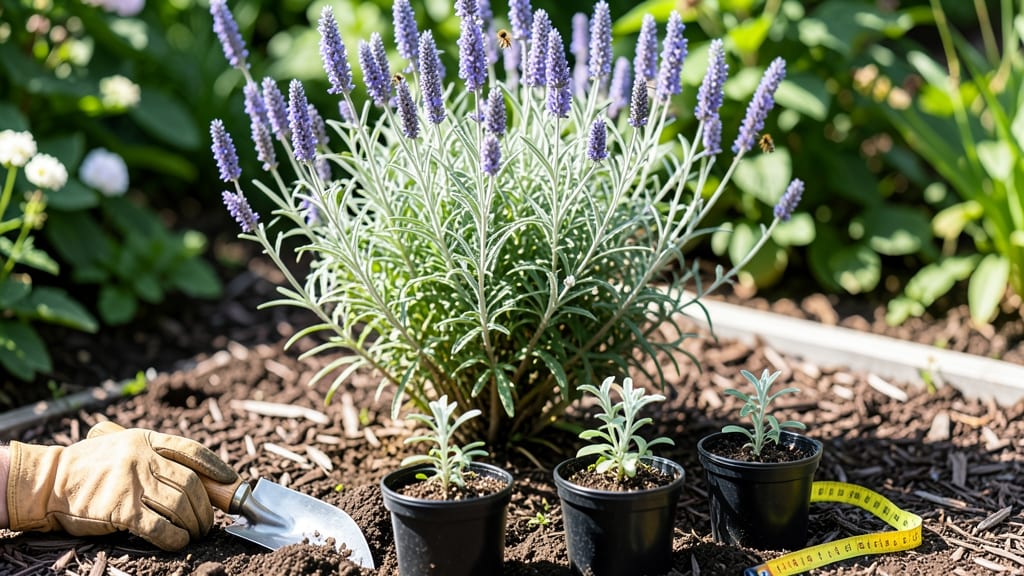
To plant Russian Sage 🌸 the right distance apart ensures it thrives in full sun with room to grow and breathe.
Struggling to get your Russian Sage to thrive in full sun? The secret isn’t just water or soil—it’s the spacing between plants. Get this right, and you’ll unlock lush, aromatic blooms that last all season.
Russian Sage can reach 3 to 5 feet tall and spreads 2 to 3 feet wide, so cramming them too close leads to weak stems, crowded foliage, and even fungal issues. But space them too far apart, and you’ll waste garden real estate.
Below, I’ll break down the exact spacing you need for borders, hedges, or containers—plus how to adjust for your USDA Zone 6a climate and soil type.
Optimal Russian sage spacing by plant type and growth stage
Russian sage (Perovskia atriplicifolia) thrives when given the right space to spread its silvery foliage and fragrant blooms. Proper spacing ensures maximum airflow, reducing fungal risks while allowing each plant to reach its full sun potential.
Whether you're planting seedlings or established clumps, the distance between plants directly impacts their health and longevity.
For mature Russian sage, the general rule is 2–3 feet apart in garden beds. This spacing accommodates their 3–5 foot mature height while preventing overcrowding. In full sun conditions, this spacing also ensures every plant gets the 6+ hours of sunlight they crave for vibrant blooms.
🌱
When planting seedlings, start with closer spacing—1–1.5 feet apart—and thin them to the final distance as they mature. This approach saves space early in the season while giving plants room to establish strong root systems.
I’ve found that thinning in early summer works best, allowing seedlings to develop before the heat of July and August sets in.
For hedgerows or formal plantings, increase spacing to 3–4 feet apart. This wider gap creates a neat, structured look while ensuring each plant gets enough air circulation to prevent powdery mildew.
I’ve used this spacing in my own sunny border garden, and the results are lush, upright plants with minimal pruning needed.
In mass plantings, like drought-tolerant landscapes or pollinator gardens, you can reduce spacing to 1.5–2 feet apart. This creates a dense, aromatic carpet of foliage that attracts bees and butterflies. Just be prepared for more competition for water in dry spells, so deep watering becomes even more critical.
Container gardening with Russian sage is also possible, but one plant per 12-inch pot is ideal. Use a well-draining potting mix and place containers where they’ll get full sun exposure. I’ve had great success with containers on patios, where the fragrant blooms add a sensory delight to outdoor spaces.
If you’re planting Russian sage in rows or hedges, maintain a 3–4 foot spacing between plants and 4–5 feet between rows. This layout ensures optimal sunlight penetration to the base of the plants, preventing leggy growth.
I’ve seen many gardeners struggle with shady spots in hedges because they didn’t account for the plant’s mature width.
🌿
Remember, Russian sage is drought-tolerant once established, but proper spacing ensures it thrives from the start. Whether you’re creating a pollinator-friendly border, a formal hedge, or a container display, following these guidelines will give you healthy, vibrant plants that reward you with season-long blooms.
Common Russian sage spacing mistakes and how to fix them
If your Russian sage plants look stunted or struggle to bloom, spacing mistakes might be the culprit. Overcrowding creates a breeding ground for fungus and pests, while underplanting leaves gaps for weeds and poor airflow.
These errors can turn your dream garden into a maintenance nightmare—especially in full sun conditions where plants need room to thrive.
I’ve seen gardeners plant Russian sage too close together, thinking it’ll create a lush hedge overnight. Instead, they end up with yellowing leaves, stunted growth, and plants that barely reach their mature height of 3–5 feet.
The key is balancing air circulation and sunlight exposure to keep your plants healthy and vibrant.
Russian sage needs 18–24 inches apart for optimal growth. Planting closer than 12 inches risks fungal diseases like powdery mildew, while spacing wider than 36 inches creates gaps for weeds and reduces visual impact.
Fix it now: Thin out overcrowded plants immediately. For every 6-inch gap you close, reduce watering slightly to prevent root competition.
One of the biggest mistakes is ignoring mature plant size. Russian sage can grow 3–5 feet tall and spread 2–3 feet wide, so cramming them into tight spaces will lead to root competition.
I’ve seen gardeners plant them 6–12 inches apart in borders, only to watch their plants fight for nutrients and sunlight, resulting in sparse foliage and fewer blooms.
Underplanting is another issue—leaving too much space between plants can make your garden look sparse and unkempt. While 36-inch spacing works for formal hedges, 18–24 inches is ideal for borders or pollinator-friendly clusters.
Fill the gaps with low-growing perennials like lavender or thyme to maintain a full, lush look without overcrowding.
If you’ve already planted Russian sage too closely, don’t panic. Start by thinning out the most crowded areas, focusing on the weakest or smallest plants. Dig up and transplant them to a new location, or share them with fellow gardeners.
For the remaining plants, prune back any crowded stems to improve airflow and reduce stress.
Finally, mulch around your Russian sage to suppress weeds and retain moisture. Use 2–3 inches of organic mulch, like straw or shredded bark, keeping it 6 inches away from the stems to prevent rot.
This simple step can make a huge difference in keeping your plants healthy and your garden looking its best.