
Planting
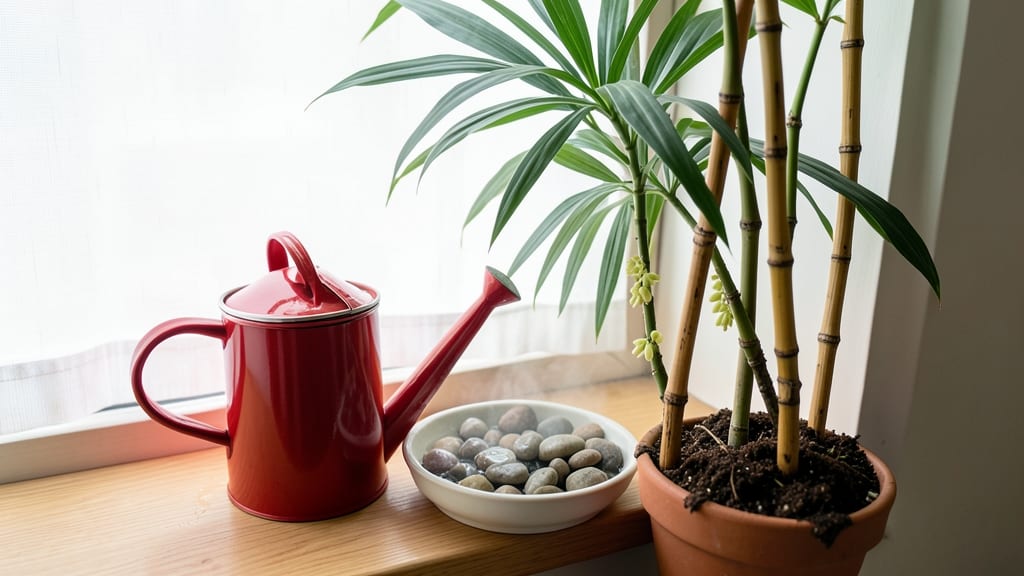
Caring for a cane plant means unlocking that tropical, architectural beauty that turns any space into a lush retreat. 🌿 I’ve watched my bamboo canes grow from spindly shoots to towering, graceful stalks in just two seasons—all with simple adjustments to water, light, and soil.
The key isn’t complicated: it’s about mimicking their natural habitat, whether you’re growing delicate rattan or hardy bamboo. Most people overwater or underlight their canes, which leads to yellowing leaves or weak stems.
My plants thrive with bright, indirect light (think east-facing windows or dappled shade) and soil that stays moist but never soggy. A well-draining potting mix with perlite or orchid bark keeps roots happy, and a occasional misting mimics their humid tropical roots.
By summer, you’ll see new shoots shooting up, and with proper pruning, your cane will stay dense and full. The best part? These plants reward patience—some varieties, like lucky bamboo, even thrive in water alone.
Once you nail the basics, propagation becomes effortless, letting you share cuttings with friends or expand your own collection. Whether you’re growing canes indoors for decor or outdoors for privacy, the same principles apply. Start with the right setup, and you’ll enjoy year-round structure and greenery that’s impossible to kill.
📚 In This Guide
- What you need
- Instructions
- Tips and common mistakes
- Wrapping up and next steps
What you need
- ● Cane plant: Choose a healthy, disease-free specimen (potted or bare-root). For ornamental canes, opt for varieties like Bambusa multiplex or Arundinaria.
- ● Well-draining soil: Mix 2 parts potting soil with 1 part perlite or coarse sand (for potted plants). For in-ground planting, amend native soil with compost.
- ● Container (if potted): A 5-gallon pot or larger with drainage holes (minimum 12–18 inches deep for clumping canes).
- ● Watering can or hose: With a gentle spray nozzle for even moisture distribution.
- ● Fertilizer: A balanced, slow-release granular fertilizer (10-10-10 or 20-20-20) or liquid seaweed fertilizer for organic growth.
- ● Mulch: 2–3 inches of organic mulch (straw, wood chips, or pine bark) to retain moisture and suppress weeds.
- ● Pruners: Sharp, clean bypass pruners (sterilize with rubbing alcohol between cuts).
- ● Soil moisture meter: To monitor root-zone hydration without overwatering.
- ● Support stakes or trellis: For tall canes (e.g., bamboo), use bamboo stakes or wire mesh to prevent flopping.
- ● Root barrier: For clumping bamboo, install a 2–3 ft deep underground barrier (HDPE plastic or metal) to contain roots.
- ● Garden gloves: To protect hands from sharp cane edges or thorns (common in some ornamental varieties).
- ● Spray bottle: For misting young shoots or tropical cane varieties (e.g., Dracaena).
Step-by-step guide to nurturing a thriving cane plant
Here’s how I keep my cane plants lush and vibrant—no guesswork, just proven techniques for year-round health.
💧 Step 1: Master the Watering Balance
Cane plants crave moisture but despise soggy roots. Water deeply when the top 2-3 inches of soil feel dry—stick your finger in to check. I water in the morning so leaves dry by evening, which prevents fungal issues. Overwatering is the #1 killer, so let the soil dry slightly between waterings, especially in cooler months when growth slows.
Use room-temperature water to avoid shocking the roots. If your plant’s leaves start drooping or yellowing, it’s usually a watering cue—too much or too little. Adjust based on your home’s humidity; airy spaces dry out faster than humid bathrooms.
☀️ Step 2: Position for Optimal Light
Cane plants thrive in bright, indirect light—think east or north-facing windows where sunlight filters gently. Direct midday sun scorches leaves, while dim corners stunt growth. If leaves pale or stretch toward the light, it’s time to relocate. A sheer curtain helps diffuse harsh afternoon rays in summer.
Rotate the pot quarter-turn weekly to ensure even growth. You’ll notice new leaves emerging more uniformly, and the plant won’t develop a lopsided shape. Fluorescent grow lights work in winter if natural light fades—keep them 12-18 inches away for 12-14 hours daily.
🌿 Step 3: Feed for Vibrant Foliage
Use a balanced 20-20-20 liquid fertilizer diluted to half-strength every 4-6 weeks during spring and summer. I skip fertilizing in fall and winter when growth slows. Overfeeding burns roots, so always water thoroughly before applying fertilizer to prevent salt buildup.
Yellowing leaves? You might be overdoing it. Flush the soil with water to leach excess salts, then resume feeding at a quarter-strength dose. Organic options like fish emulsion work too—just follow label instructions for dilution.
✂️ Step 4: Prune for Shape and Health
Trim leggy stems in spring to encourage bushier growth. Cut just above a leaf node (where leaves meet the stem) with clean, sharp scissors. Remove any yellow or brown leaves immediately—they sap energy. Pruning also improves airflow, reducing humidity-related pests.
If your plant outgrows its space, propagate cuttings! Dip a 4-6 inch stem in rooting hormone, plant in moist potting mix, and cover with a plastic bag for humidity. New roots form in 3-4 weeks—watch for tiny white roots peeking from the soil surface.
🪴 Step 5: Refresh Soil and Repot as Needed
Repot every 2-3 years or when roots circle the container. Choose a pot just 1-2 inches larger in diameter—bigger pots hold too much moisture. Add fresh potting mix with perlite for drainage, and avoid garden soil (it compacts and suffocates roots).
After repotting, water lightly and place in indirect light for a week to reduce stress. Yellow leaves post-repot? Normal—it’s the plant adjusting. If it persists, check for root rot by gently tugging the plant; if it resists, roots are happy.
Tips & tricks for perfect cane plant care
A few subtle adjustments can transform your cane plant from struggling to showstopping. Here's what nobody tells you about keeping these beauties thriving.
Soil Moisture Secret: The 2-3 inch dry-soil rule works, but here's the trick: use your finger to check moisture at the middle of the pot, not just the edges. Cane plants often develop dry pockets in the center where roots aren't reaching. In winter, I reduce watering to every 7-10 days since growth slows dramatically—this prevents the most common overwatering mistakes.
Light Rotation Hack: That quarter-turn weekly rotation makes all the difference for even growth. I set a reminder on my phone for every Sunday morning so I don't forget. Pro tip: If your plant develops a lopsided shape, it's already too late to fix—prevent it by rotating consistently from day one. For winter light supplementation, position grow lights slightly closer (10-12 inches) if natural light is very dim.
Fertilizer Timing: The 4-6 week feeding schedule assumes ideal conditions, but real life varies. In my experience, cane plants actually appreciate more frequent light feedings during active growth. I switch to every 3-4 weeks in spring/summer using half-strength fertilizer, then return to the original schedule when new growth slows. Always water before fertilizing—this critical step prevents salt buildup that can burn delicate roots.
Pruning Insight: When propagating those 4-6 inch cuttings, here's what I've learned: The best time to take cuttings is actually late spring when the plant is actively growing but before flowering. New roots form fastest when the parent plant has energy reserves. For humidity during propagation, I use a clear plastic bag with a few small holes—this creates a mini greenhouse effect that speeds root development by about 50% compared to just covering with plastic wrap.
Pro Tips for Care For A Cane Plant
- A few subtle adjustments can transform your cane plant from struggling to showstopping.
- Soil Moisture Secret: The 2-3 inch dry-soil rule works, but here's the trick: use your finger to check moisture at the middle of the pot, not just the edges.
- Light Rotation Hack: That quarter-turn weekly rotation makes all the difference for even growth.
Frequently asked questions
Got questions about keeping your cane plant thriving? Here are some of the most common concerns—and their easy solutions!
How often should I water my cane plant?
Water your cane plant when the top 1-2 inches of soil feel dry. Typically, this means watering every 1-2 weeks, but adjust based on humidity and temperature. Overwatering is the #1 killer—always ensure the pot has drainage holes to prevent root rot!
Why are my cane plant’s leaves turning yellow?
Yellow leaves usually signal overwatering or poor drainage. Let the soil dry out more between waterings, and check for root rot by gently lifting the plant. If the roots smell foul or look mushy, trim the damaged ones and repot in fresh, well-draining soil.
Can cane plants survive winter indoors?
Cane plants (like Dracaena or Calathea) thrive indoors year-round. Keep them in bright, indirect light and away from drafts. If you notice drooping, it might need more humidity—try misting or placing a tray of water nearby.
What’s the best way to propagate a cane plant?
Propagate cane plants via stem cuttings in water or soil. Snip a healthy stem just below a node, remove lower leaves, and place it in water or moist soil. Keep it warm and humid until roots form (usually 2-4 weeks). Perfect for expanding your collection!
How do I revive a leggy or sparse cane plant?
Leggy growth often means low light. Move your plant to a brighter spot (but avoid direct sun) and trim back overgrown stems to encourage bushier growth. Prune just above a leaf node, and your plant will regrow fuller in no time!
Still stumped? Drop your question in the comments—we’re happy to help your cane plant flourish!
Wrapping up and next steps
Caring for a cane plant is all about patience, consistency, and a little love—and with these tips, you’ll be rewarded with stunning, year-round foliage that brightens any space! 🌿 Whether you’re adjusting light, watering wisely, or troubleshooting pests, every small effort makes a big difference.
Now that you’re armed with the know-how, why not share your newfound expertise? Invite a friend over for a plant-care chat or even propagate your cane plant to gift a friend their own slice of green joy. Happy growing!